Naraka: Bladepoint's collaboration with Hearthstone marks a historic moment as Blizzard's franchise appears outside its own titles for the first time.
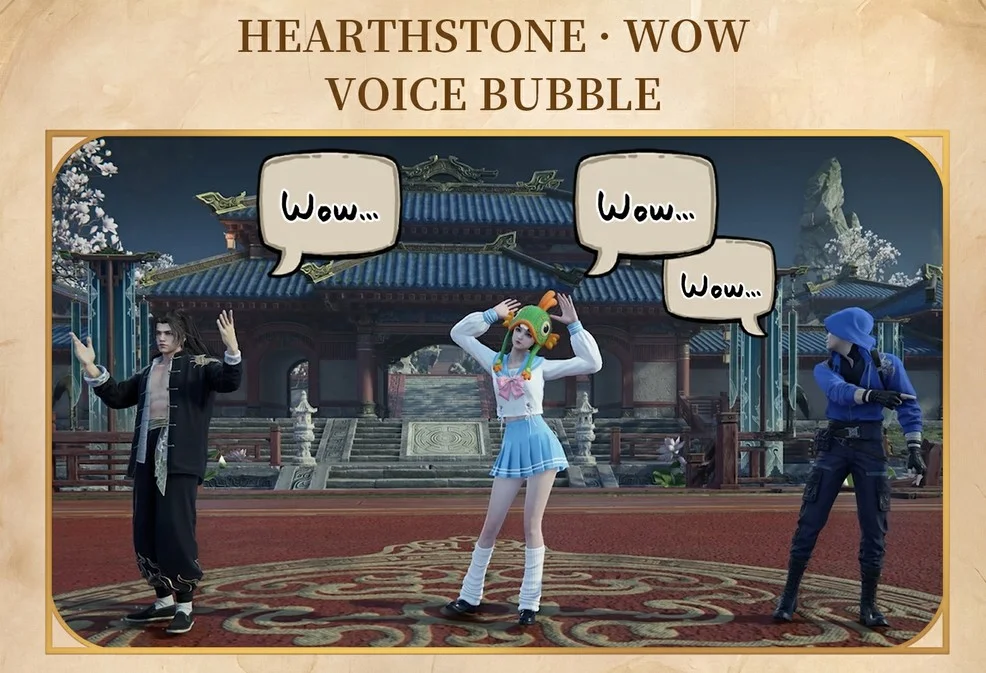
Naraka: Bladepoint has officially launched its crossover event with Hearthstone, a significant milestone in gaming history that carries profound implications.
The Significance of the Crossover
Developers NetEase Games and 24 Entertainment revealed that this event marks the first time authentic Hearthstone content exists in a title not developed by Blizzard Entertainment. This moment is not just about fan service; it highlights a shift in the relationship between competing gaming franchises and the increasing openness to collaboration in an industry often characterized by exclusivity. Over the years, many titles have kept strict boundaries when it comes to licensing and cross-promotion, often limiting their branding potential.
Currently, Phase 1 of the Naraka: Bladepoint x Hearthstone collaboration is live, with additional content planned for release in 2027. This staggered rollout signifies that the developers intend to build anticipation and engagement over a more extended period, which is a strategy reminiscent of major film franchises that tease future installments. Notably, this first phase lays the groundwork for potential future collaborations, setting the stage for other publishers to consider similar ventures.
Direction of Collaboration
This collaboration flows in one direction; players won’t see Naraka characters popping up in Hearthstone decks for now. It's a crucial aspect that emphasizes how this partnership serves the interests of NetEase and 24 Entertainment more than Blizzard's. The integration centers on cosplays, sound effects, and familiar references from the card game, making it an effective marketing strategy aimed at bringing the card game's rich lore into the martial arts battlefield of Naraka. This tactic hints at an emerging trend where studios might look to leverage elements from another game’s universe while maintaining their own identity.
Naraka: Bladepoint players can grab a free Murloc cosmetic
The most recognizable aspect of this crossover is the Murloc Headwear, available for players who log in to Naraka: Bladepoint during the event. While it may seem like a simple charm, this cosmetic represents much more. For many fans, Murlocs are an iconic part of the Hearthstone experience, and offering something tactile from that world helps to bridge the segments of two different gaming universes.
There are also various subtle Hearthstone elements interspersed throughout the game, enriching the player experience. Players can use a new speech bubble emote to mimic Anduin's iconic "Wow!" during matches. That small touch connects with long-time fans who understand the reference, providing context that makes the crossover feel less like a gimmick and more like a thoughtful integration.
Additionally, looting high-rarity items now triggers announcements styled after Hearthstone's typical proclamations like "Epic!" and "Wow… Legendary!" This integration succeeds in tapping into the immediate thrills that both games evoke, creating those small moments players cherish. Even chests in battle have adopted a Hearthstone-inspired aesthetic, transforming into oversized card packs. Opening them offers a nostalgic thrill reminiscent of unboxing a new pack of cards—there’s something universal about this excitement that both old and new players understand—(and this is the part most people overlook).
Moreover, the crossover’s unveiling trailer features a unique voice cameo from the Lich King, making the viewing experience worthwhile, especially with the sound on. This strategic use of voice talent amplifies the excitement surrounding the event and brings a touch of authenticity to fans eager to experience nostalgia in a new context.
Historical Context of Collaborations
While the cosmetics are intriguing, the historical context of this collaboration sheds more light on its importance. Since its debut in 2014, Hearthstone has primarily collaborated with other Blizzard properties. Opening its doors to a completely different publisher's game is indeed a remarkable shift in the industry. It signals a broader trend of gaming companies exploring crossover events, hoping to capture audience attention and brand loyalty across different gaming communities.
Notably, Naraka: Bladepoint is accustomed to collaborative ventures, often featuring crossover events alongside regular seasonal content. The melding of Murlocs and Hearthstone card packs within its martial arts battleground manages to feel fitting, despite the inherent oddity of such a crossover. What you’re seeing here is a much-needed push for gaming companies to break traditional molds and experiment with new partnerships. For Naraka, this means engaging a crossover audience, while Hearthstone expands its brand beyond the confines of its own ecosystem.
Naraka: Bladepoint x Hearthstone Phase 2 arrives in 2027
This collaboration won't conclude with the first phase. Developers have confirmed that there will be a Phase 2 launch set for 2027, though specifics are still under wraps. This delayed rollout isn't simply a matter of marketing; it allows developers to refine new assets and integrate player feedback into the next phase, creating a more dynamic experience. Developers hint at additional surprises from the Tavern, poised to make their way into the battlefield.
For now, players have the chance to collect the complimentary Murloc Headwear while embracing the unprecedented moment of Hearthstone stepping beyond Blizzard's confines after over a decade. In a sector where franchises closely guard their identities, this collaboration isn't just a novelty—it's a potential blueprint for future partnerships that could reshape the way gaming experiences evolve and grow.
Implications and Future Outlook
This crossover hints at a significant shift in how companies may approach inter-franchise interactions. As studios see positive reception from such collaborations, they might be encouraged to pursue more unconventional partnerships. If you're working in this space, it’s vital to consider how these kinds of alliances can extend beyond mere cosmetic upgrades to enrich gameplay and narrative.
This trend carries implications for game development, marketing strategies, and fan engagement. The merging of universes can create new synergies, potentially attracting a wider audience and revitalizing engagement through nostalgia. If Phase 1 is any indication, we are likely to see even bolder moves by gaming companies in the future—after all, in the often cutthroat universe of gaming, collaboration may prove to be the best strategy for survival and growth.

Discussion
Sign in to join the discussion.