Bandai Namco is dissolving Montreal studio Reflector, taking a roughly €21 million hit after Unknown 9: Awakening failed to justify further investment.
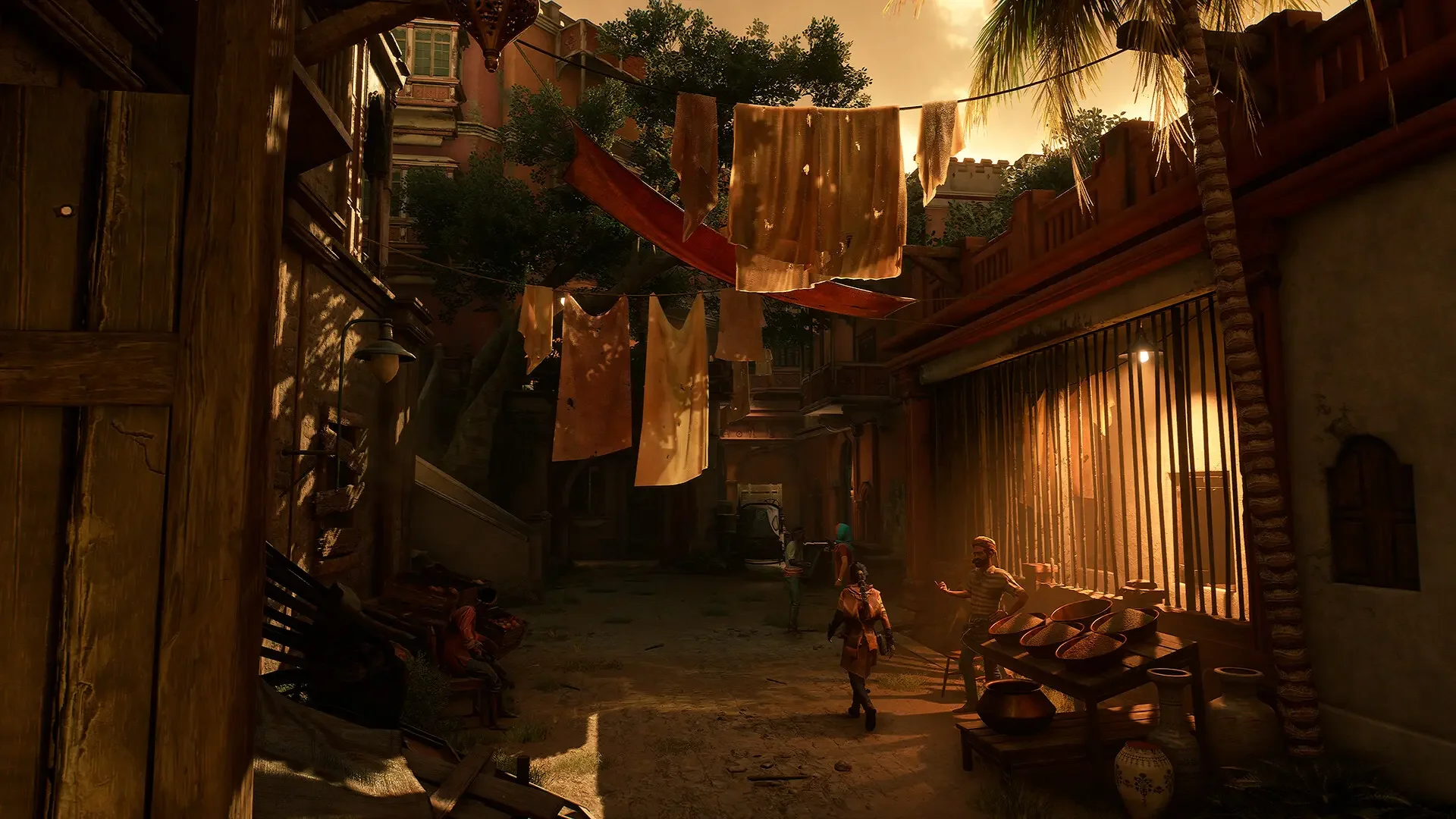
Bandai Namco is dissolving Reflector Entertainment, the Montreal studio behind Unknown 9: Awakening, and expects to absorb roughly €21 million in losses from the closure. My read is that this isn't really about one disappointing launch. It's about a studio whose cost base never caught up with what its only shipped game could earn. That distinction matters: a game can miss expectations, but a studio's closure points to a harder judgment about whether the business supporting it can make a return.
The board of parent Bandai Namco Holdings approved the dissolution and liquidation on November 10. Reflector was founded in December 2015 and joined Bandai Namco in 2020, sitting under Bandai Namco Entertainment Europe, which owns all of its shares. Unknown 9 was the only title it released under the publisher, launching in October 2024 on PS5, PS4, Xbox Series X|S, Xbox One and PC. That leaves a relatively narrow public record on which to judge the studio's prospects: one released game, its sales, and the investment needed to keep the business operating.
A filing that doesn't soften the reasoning
The notice presents the decision as the result of a review of the group's portfolio and of how development is organised across its studios. The language is blunt, and it doesn't hide behind euphemism. Bandai Namco describes the choice in terms of future plans, additional investment and the chance of profitability. Those are separate questions, but together they make the company’s position clear: it didn't see a path that justified keeping Reflector in operation.
After comprehensively considering future business plans, necessary additional investment, and the possibility of profitability and business continuation, the Company has decided to discontinue Reflector's business, dissolve and liquidate it.
Bandai Namco Holdings
Reflector confirmed the news on LinkedIn, and GameRant reports that the studio is ending all activity with immediate effect. In that account, the cost of future development, combined with the state of the industry, left Bandai Namco unable to justify further investment. That framing puts the closure in the context of a wider pressure on game development: a studio needs funding and time to make its next project, while a publisher has to decide whether the likely return makes that commitment worthwhile. The notice doesn't detail those internal calculations, so the precise balance between the game's performance and the cost of continuing remains unclear.
Reading the numbers
Unknown 9 put players in the shoes of Haroona, who can step into a hidden dimension called the Fold to take on a secret society. It didn't generate much buzz, and its reception reflected that. Steam user reviews sit at 55% positive, according to GameRant. That figure offers a narrow view: it describes the response from Steam reviewers, not every player or the game's sales. Still, it gives a sense of the reception the title faced on one major PC storefront.
The financial table in the notice shows how heavily that weighed on the studio. All figures are in Canadian dollars:
- Year to March 31, 2024: CA$1.6 million in net sales and a CA$14.2 million loss
- Year to March 31, 2025, which covers launch: CA$47.8 million in net sales and a CA$28.4 million loss
- Year to March 31, 2026: CA$14.7 million in net sales and a CA$2 million loss
- Net assets at March 31, 2026: negative CA$89.5 million
Launch brought the studio its best sales year, but losses also reached their highest listed level, and sales fell back sharply the year after. Revenue alone doesn't show how much a game costs to develop, market or support, so the table can't explain every part of the business. It does show the gap between the launch year’s sales and the recorded loss. That gap is the harder story here. Net assets now sit at negative CA$89.5 million, a sign of the financial strain reflected in the filing.
Bandai Namco expects to book an extraordinary loss of roughly €21 million (about ¥3.5 billion) from the closure, starting with third-quarter results for the fiscal year ending March 31, 2027. The company calls that an estimate and says both the amount and the timing are still under review. The projected charge is tied to closing the studio; it shouldn't be read as a full account of what the game earned or cost over its life. Those figures aren't supplied here.
This isn't the first retreat. After the game's lukewarm reception, Bandai Namco and Reflector dropped plans to grow Unknown 9 into a wider multimedia franchise. CEO Herve Hoerdt warned back then that some jobs would go. The closure now marks a more definitive end to the studio's role in that plan. A franchise strategy depends on more than a single launch: it needs an audience large enough to support follow-on projects and other forms of storytelling. The available information doesn't say how many people will be affected by the liquidation.
What the closure says about the next bet
This is more significant than it looks. Publishers routinely assess projects against the cost and time required to make the next one, and a weak launch can change the case for further investment. Here, Bandai Namco's notice links the decision to both additional investment and the possibility of profitability, rather than treating the closure as a simple reaction to reviews. For a studio with one released game under the publisher, that leaves little evidence of a second project or another revenue stream that could support the business.
If you're working in this space, the useful signal is how the company frames the decision: as portfolio management and a question of development organisation. That suggests the publisher is weighing where it can fund games and how its studios fit into those plans. The filing doesn't spell out what changes elsewhere, so broader claims about Bandai Namco's future strategy would go beyond the evidence. And yet, the Reflector decision shows that a studio's place in a group can depend on more than whether its first game finds an audience. The cost of building what comes next matters too.
(And this is the part most people overlook.) A game's reception and a studio's finances are related, but they aren't interchangeable. Weak reviews may make a sequel harder to justify; they don't, by themselves, explain a balance sheet. The figures show losses across the reported years, including the year when sales were highest. That's the clearest reason to treat this as a business decision with a longer history than launch week.
What comes next
There's no end date yet. Bandai Namco says the liquidation will finish once the required procedures under local law have run their course, and it hasn't set a concrete schedule. GameRant estimates Reflector's headcount at between 51 and 200. That range is broad, and the available information doesn't give a confirmed figure or say how many employees will be affected. The studio has said it will work with stakeholders to help its developers through the transition. For those employees, the immediate priority is clarity on what happens to their work and their roles as the process continues.
The notice says nothing about whether Unknown 9: Awakening stays available on digital storefronts. That's the open question for players, and it's one the publisher hasn't answered yet. The end of the studio doesn't automatically tell us what will happen to the game’s distribution or support. Until Bandai Namco says more, players are left with the title’s current status and no clear account of what comes next for it.

Discussion
Sign in to join the discussion.