From hidden bosses and the Illusory Pipa to Hellwalker and 66 Days Mode, Phantom Blade Zero offers a deep postgame checklist.
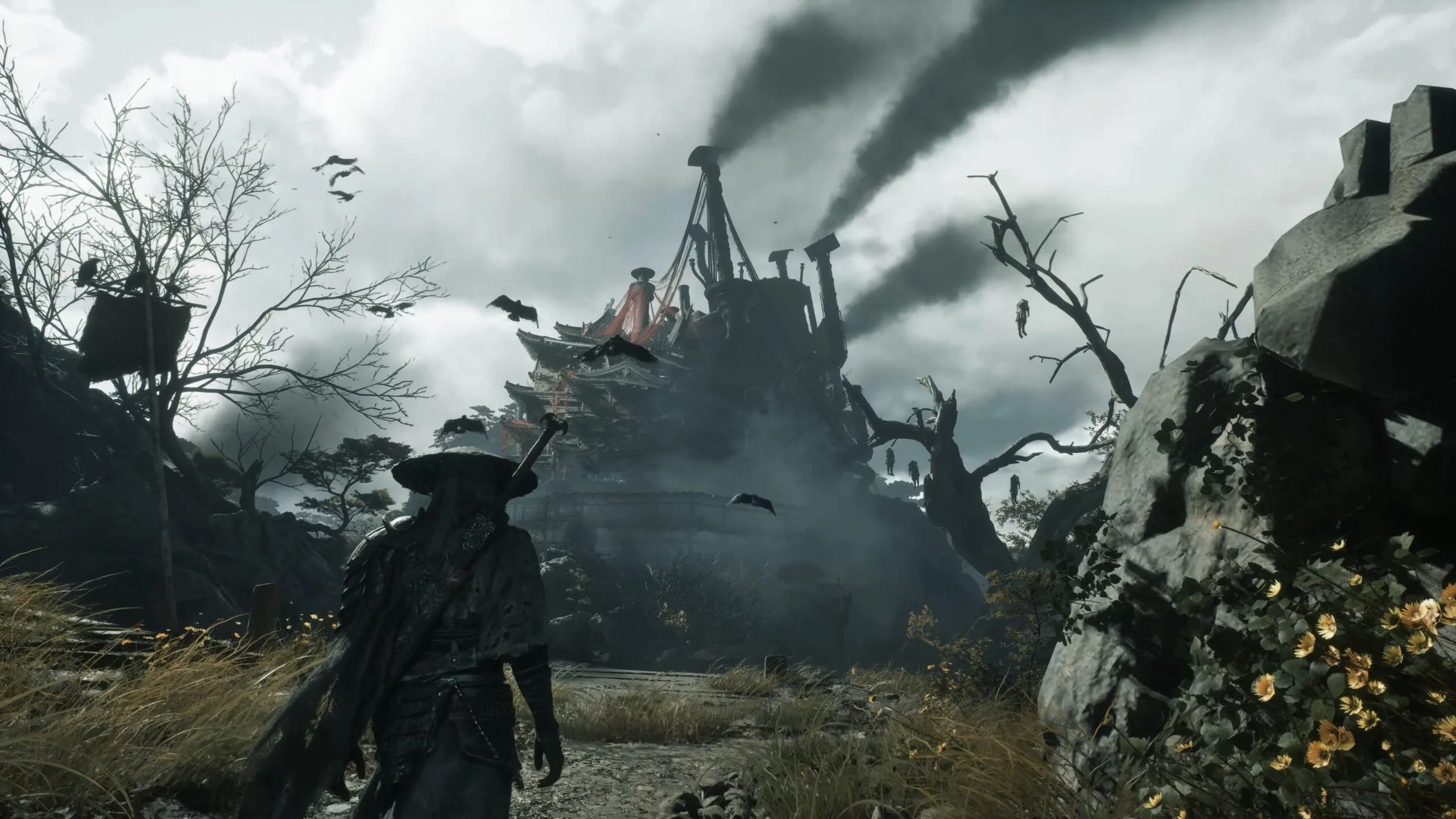
Phantom Blade Zero doesn’t funnel players into a single endgame activity. Its post-story challenge is a web of collectibles, optional fights and quest lines that can strengthen Soul while opening the route to the true ending. The most rewarding approach is to treat exploration as progression: several activities grant powerful gear, unlock new areas or provide items needed for other objectives.
Build strength through exploration
Start by tracking down every Memory Flower, Sha-Chi Amber and Banyan Heart. These collectibles add lore and increase health or Sha-Chi, while Banyan Hearts and other resources help unlock Soul’s Talents. Some Memory Flowers also lead to optional battles, so gathering them can reveal more than the story behind the world.
Quick Hand Zhang offers another useful reason to revisit each region. After meeting him in the Crimson Forest and finding him near the thieves’ encampment, players can trade regional treasures for a new Phantom Edge. Four more versions of Zhang appear later, each with a fresh set of treasures, higher-level upgrade materials and Banyan Hearts. His inventory belongs on the completion checklist alongside the scattered collectibles.
Weapons have room to grow after their initial upgrades. Soul Tempering becomes available in Pangzhen, where players can improve weapons and add effects. The system covers both primary weapons and Phantom Edges, giving collectors another reason to find optional gear and materials. Hidden bosses can help supply those materials: they award Remnant Dust, weapons and Phantom Edges, and some drop items tied to specific quest lines. Zhu Yuan, for instance, awards Scorching Flames, one of the materials used in Soul Tempering.
Optional fights open new routes
Several side activities connect directly to larger pieces of the game. Defeating Dusk is required to begin the Illusory Pipa restoration quest, while other hidden bosses provide their own rewards and challenges. Hua, found in Weeping Valley Creek, is one example of a fight players can uncover by leaving the main route.
The five Long Pillars bring Mo Yuan into the picture. Each encounter adds context to his connection with Soul, and the fights reward useful gear, including Counterstrike Bracers that increase damage after a successful parry. They also provide Soul Temper materials for the three Sanguine weapons. Finding and clearing all five is worthwhile for both the story and the equipment.
The Friendly Shadow Warden quest, which later involves Spectral-Blade, sends Soul after Primal Stones in the Sha-Chi Towers. That search can reveal more optional bosses and yield Soul Temper materials. It’s a compact way to combine exploration with combat, and it gives players a clear target when returning to earlier areas.
Four Acolyte Masks provide another set of fights. The ominous scarecrows conceal bosses that test elemental resistances; defeating each Acolyte earns a mask needed for later progress. Completing the quest also lets players Soul Temper the Hunter’s Chain Sickle, the Phantom Edge associated with The Hunt.
Restoring the Illusory Pipa is a turning point. The instrument matters to the story and functions as a ranged Phantom Edge that can temporarily turn enemies to Soul’s side. More immediately, it opens paths blocked by barriers, including access from Meigu Lake to the Mountain of Imprisonment.
Reach the true ending
The Mountain of Imprisonment adds new characters and quests, but its key prize is the Crystal Puppet Eye. Finding that item makes it possible to reach Crimson Manor, advancing the route to the true ending. Players also need both Crystal Puppet Eyes and all four Acolyte Masks, alongside the Illusory Pipa and other milestones.
Those steps still aren’t enough on their own. The true ending also depends on completing the purple-icon quests, defeating Mo Yuan across all five Long Pillars and collecting Quick Hand Zhang’s regional treasures. Clearing side content and gathering accessories helps fill in the remaining gaps. The game makes completion a connected set of objectives: finishing one quest can expose a new area, while a boss’s reward may unlock a weapon upgrade or another task.
Accessories deserve a dedicated sweep once the larger quest lines are underway. Bosses, optional activities and Zhang’s shop all contribute to the collection, so players who have focused on the main story may still have items to track down.
Take the combat challenge further
After the story, players can choose Hellwalker, the toughest of the game’s three difficulties. It can be selected during a run, but starting fresh lets players meet its demands from the beginning. Enemies adapt to Soul’s tactics, and bosses change their patterns frequently, making familiar encounters less predictable.
New Game Plus offers a different kind of test. Weapons, accessories and collectibles carry over, giving Soul a major advantage early in a new run. Weapons can be upgraded further, though players must find them again before improving them, including some late-game options. It’s a natural choice for anyone who wants to push a build further or take on higher difficulty with a developed arsenal.
For a stricter survival run, 66 Days Mode becomes available after completing the game on Pathbreaker or Hellwalker. Soul has 66 lives, and every death uses one. There’s no manual saving, and enemies retain their adaptive behavior. A New Game Plus build can make the mode more manageable, while starting fresh creates a sharper test of execution.
One final challenge strips away the power curve: finish the game with Wooden Sanguine, the training sword from Soul’s youth. It’s available from the start, deals modest base damage and can’t be Soul Tempered. That makes the run a test of fundamentals, where timing and control have to carry fights that stronger weapons could shorten.
Phantom Blade Zero’s postgame is less about reaching a single final task than choosing how far to pursue each thread. Collectibles and quests build toward the true ending, while Hellwalker, New Game Plus, 66 Days Mode and Wooden Sanguine offer distinct reasons to return once the main story is done.



Discussion
Sign in to join the discussion.