The new Magical Library expansion for Spirit City: Lofi Sessions adds enchanting environments and 13 new Spirits for a captivating productivity experience.
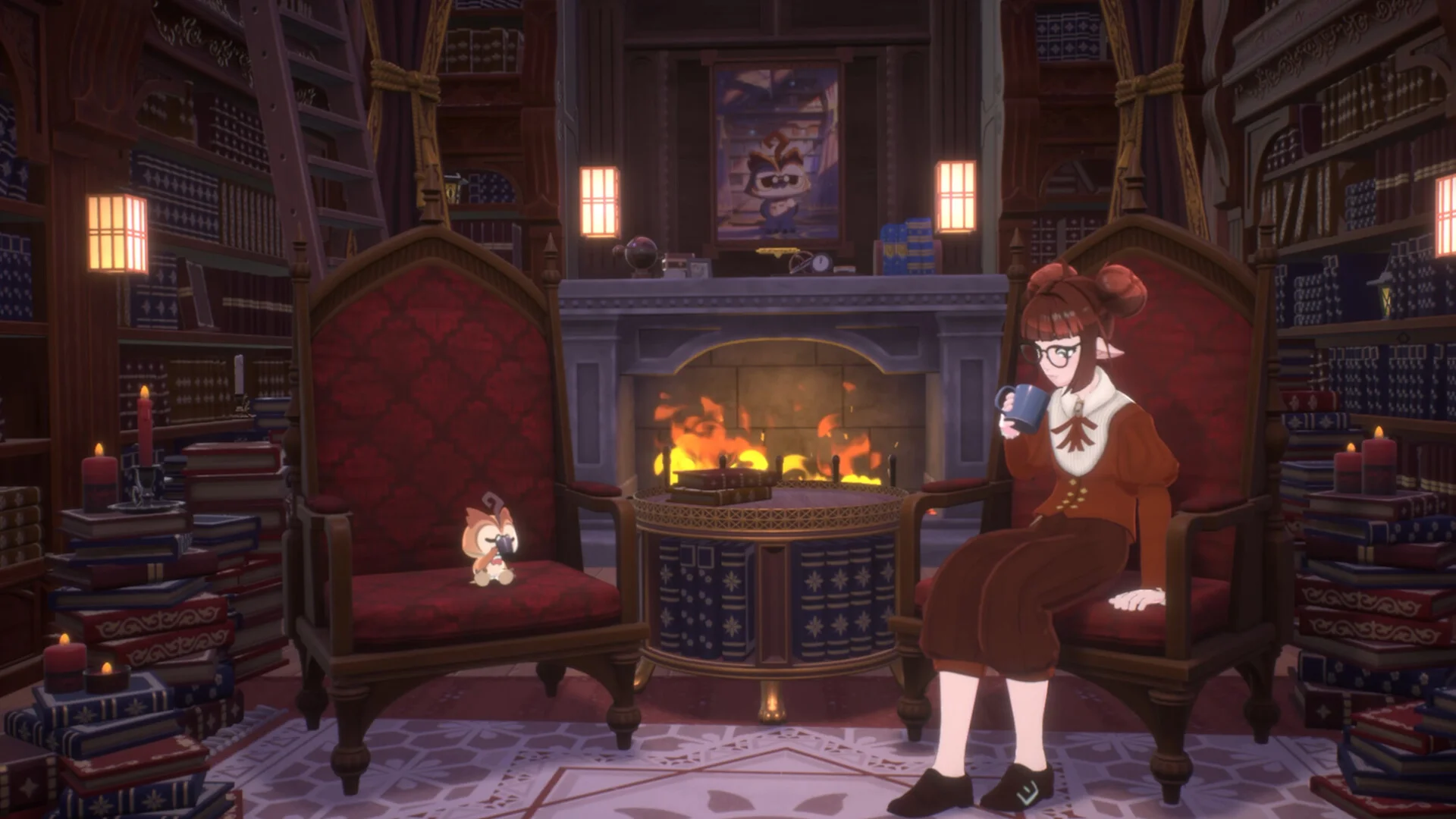
Spirit City: Lofi Sessions has taken its immersive world to new heights with the release of the Magical Library expansion, available as of August 24. This latest DLC enhances the cozy productivity experience with an enchanting new environment filled with bookshelves, crackling fireplaces, and a variety of magical artifacts that transport players straight into a fantastical world. But the allure isn't just about aesthetics; it also encapsulates a growing trend where video games serve not only as entertainment but also as tools for personal development and mental well-being.
This expansion follows hot on the heels of the Enchanted Garden update, steering the game further into realms reminiscent of a whimsical academy. Players are invited to lose themselves in a space that’s designed for relaxation and reflection, all while listening to soothing lofi music. The combination of visual splendor and auditory comfort embodies a broader cultural movement that emphasizes self-care through interactive environments. In a busy world, the game offers a capsule of tranquility with the promise of a productive escape.
Explore the Centerpiece: A Customizable Magical Library
At the heart of this expansion lies the Magical Library itself, a versatile hub that players can customize to suit their aesthetic preferences. Whether it’s a dark academia study, a mystical academy, or a plant-filled witch’s hideaway, players can create their ideal immersive backdrop. This element of personalization taps into an important psychological aspect: our environments can significantly affect our productivity and mood. If you’re working in this space, choosing aesthetics that resonate with your personal style could lead to greater satisfaction or even enhanced focus. Yet, the intent remains the same: to provide a calming atmosphere for studying, working, or simply unwinding.
New gameplay features align with the fantasy theme, allowing players to explore studies of elemental magic, practice spells, or brew potions in a cauldron. These activities introduce a layer of interactivity that goes beyond passive engagement. They invite players to form connections between the game and their real-world tasks. Ideally, these magical elements will inspire users to tackle their actual responsibilities with renewed vigor. Cozying up by the fireplace while checking off their to-do lists might feel whimsical, but this intertwining of fantasy and productivity is an intriguing balance.
The expansion introduces a total of 13 new Spirits to befriend, including charming dragons, wise owls, and helpful mice, along with new renditions of fan-favorite Spirits from the main game. Each Spirit embodies different traits, enriching the social aspect of gameplay. Players often find solace or inspiration in virtual companions, and this mechanism aligns perfectly with the game’s mission. Friendship, after all, is an important aspect of personal growth in both worlds, digital and physical—something that can certainly benefit many players.
Additionally, players will find an extensive array of new cosmetic items to personalize their experience. Academy uniforms, scholarly accessories, and charming magical outfits are now available, along with options for redecorating the library itself. This shift toward cosmetics in gaming reflects a wider industry trend where personalization transforms typical gameplay into something more individualistic. By making the game visually unique to each player, it turns casual users into invested participants, fostering a deeper emotional connection with the environment.
First launched on Steam in April 2024, Spirit City: Lofi Sessions provides a hybrid experience blending elements of gaming with productivity tools. Players craft avatars, collect Spirits, and immerse themselves in various environments enhanced by built-in features like task lists, habit tracking, and journaling. This multifaceted approach has become increasingly relevant as more individuals seek to balance productivity with self-care. In a sense, the game acts like a digital Swiss Army knife designed for mental wellness, offering an appealing way to navigate real-life stresses.
Over time, the game has evolved to include spaces such as a cozy kitchen and a whimsical train journey, with the Magical Library completing this rich tapestry of environments. Each area serves a distinct psychological purpose, aiming to nurture specific emotions or facilitate creativity. That said, each update also raises questions about sustainability. How many environments can one game feasibly support before audience fatigue surfaces? This is a concern for developers who must continually innovate without alienating their core player base.
Implications and Future Outlook
Ultimately, the idea behind Spirit City is to create inviting spaces that adapt to players’ moods and productivity needs. While studying by a virtual fireplace with imaginary spellbooks may tempt one to procrastinate, it also offers a unique approach to productivity that can spark creativity in unexpected ways. What this means for you is a new way to repurpose gaming as a mindfulness tool. Critics may argue that gaming is merely an escape; however, others posit that it can be a venue for personal development.
The Spirit City: Lofi Sessions – Magical Library DLC is available now on Steam, inviting players to get lost in its magical allure. Multiply that allure by how many other players may join in. The ongoing rise of games focused on relaxation and productivity signifies a potential shift in the gaming industry—where enjoyment seamlessly integrates with personal growth. Keep an eye on this trend; it could redefine how games are perceived in the near future.


Discussion
Sign in to join the discussion.