The PS5 has shipped 100 million units, but Sony's next console needs more than upscaling and a bigger spec sheet to justify an upgrade.
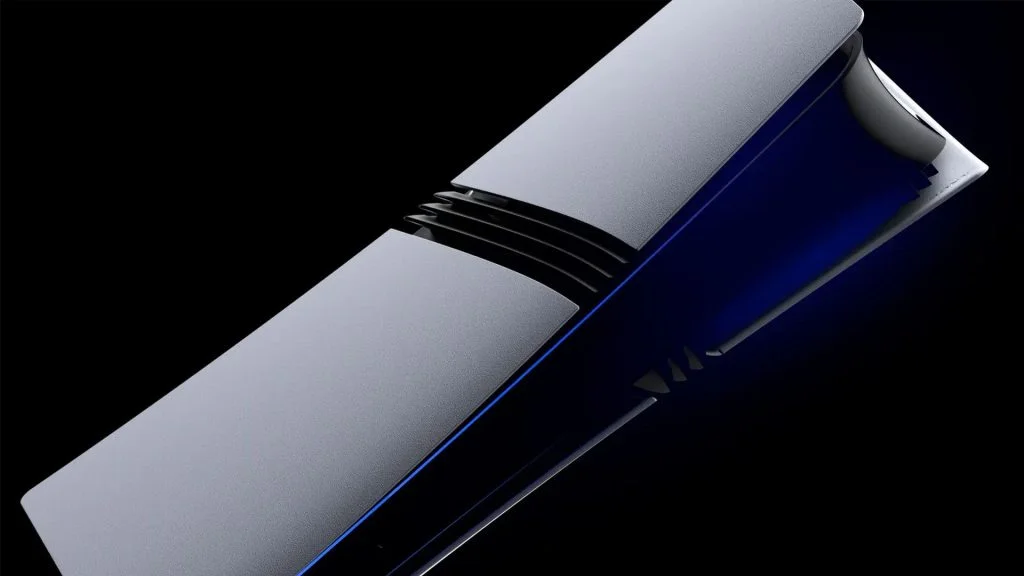
Sony's PS5 has shipped 100 million units worldwide, and that milestone changes the math for the PS6. Sony says development of its next console is progressing steadily, with significant progress expected in the coming fiscal year. But no release date is locked in, so the real question isn't when the successor arrives. It's what it has to offer to pull millions of players away from a console that already works well.
The installed base gives Sony an enormous runway. The company reports 127 million active users and a quarterly PS4/PS5 games figure of 88.2 million. Those numbers suggest a large audience that's comfortable where it is, and that comfort is the obstacle the PS6 has to clear.
A Library That Made the Hardware Matter
Start with the games, because that's where the PS5 earned its reputation. Astro's Playroom came preloaded on new units and did more than show off next-gen visuals. It made smart use of the DualSense, and it worked as a short tour of what the console could do. Astro Bot then built on that foundation. It blended nostalgia for Sony's long history with a gameplay loop that felt fresh, and it used the hardware's strengths without making a show of them.
Returnal and Saros pushed the lineup further. Both delivered improved visuals, better framerates, and ray tracing, wrapped in loops that hooked players from the first minutes. They showed that ambitious ideas could run on Sony's hardware at a level of polish that stood apart.
Marvel's Spider-Man 2 and Wolverine brought mass appeal. Both used the PS5's tech to build dense, immersive worlds, leaned on strong storytelling from Insomniac, and paired it with combat that made superhero fantasies feel earned. Horizon Forbidden West may be the strongest case of all. It raised the stakes for Aloy and left a cliffhanger that makes its sequel one of the most anticipated follow-ups in the catalog, and that sequel is widely expected to debut on PS6.
What ties these games together is staying power. They're the titles people remember after the credits roll, and that's ultimately what a console generation is measured by. The PS5 has delivered that in volume. The open question is whether the PS6 can match it, or whether it can only promise to.
Two Generations Under One Roof
Sony's comments on healthy PS4 and PS5 game activity matter more than they might seem. They show that a current-gen console can sit alongside its successor and keep earning its place. The PS4 proved this already. The pandemic gave it an extended run, and Sony kept it relevant with new releases long after its replacement arrived.
Sony has acknowledged that hardware sales have slowed. I don't read that as bad news on its own. The PlayStation platform as a whole is still growing, and a slowdown in hardware often signals a console generation reaching maturity, not decline. Plenty of players are simply waiting to see what the PS6 offers before they commit to a new box.
That's why sustaining the PS5 alongside the PS6 makes obvious sense. Sony can keep the current machine supplied with new games while the next generation pulls ahead on capability. Older hardware will carry compromises, and that's fine, as long as the gap between the two machines is clear enough to justify the jump.
The PS5 itself was a sizable step up from the PS4, and the case for buying one felt easy at launch. Sixty frames per second and ray tracing changed how games looked and played. Developers still forced players to choose between fidelity and performance, which was frustrating. The PS5 Pro has eased that tension as a mid-generation upgrade for players who wanted the extra headroom.
Upscaling is the next battleground. The PS5 gained QSSR, and the PS5 Pro introduced PSSR, bringing upscaling into the mix on Sony's hardware. That means upscaling alone won't separate the PS6 from its predecessor. The PS5 already has it.
What the PS6 Has to Prove
Will the PS6 justify a price that's likely to be steep? Upscaling won't be enough, and I don't think Sony expects it to be. The next console needs more ambitious simulations, more interactive environments, and better performance. Most of all, it needs games that use those capabilities in ways players can feel, not just in spec comparisons.
Sony's track record helps, but it won't carry the PS6 by itself this time. The PS5 has been a very solid offering in a market where buyers are increasingly price-conscious, and manufacturers are passing higher component costs on to customers. Asking people to pay more for a new generation takes more than goodwill.
Here's the thing, though: goodwill is real. The PlayStation brand has been strong for six or seven years, and an expensive console doesn't get written off just because of its price tag. The PS6 will enter a crowded market with a loyal community already leaning in its favor. That's an advantage most competitors would envy.
Still, loyalty fades fast when the value isn't there. The PS6 has to change how people play in the same way the PS5 did at the start of its life cycle, and it has to make the premium feel like a fair trade for a real upgrade. That's a narrow path. Sony can walk it, but only if the experiences justify the cost.
The games will decide much of this. Developers must build experiences that run well on older hardware while offering enough on new machines to make the upgrade worthwhile. Sony's first-party studios have the talent to do that. Even so, the smart move for most players is to wait and see what those studios actually deliver before reaching for a wallet.
The Value Test Ahead
The sequel to Forbidden West sums up the challenge. Sony's strongest exclusives create the kind of anticipation that sells hardware, and the cliffhanger in that game gives players a reason to care about what comes next. If the follow-up can reinvent Aloy's world, it could be among the best entries yet, and it would give PS6 owners a reason to celebrate.
Apply that same logic across Sony's first-party catalog and the picture gets clearer. Many players won't hesitate to buy the next console the day it launches. Others will hold on to what they have until the hardware and the games clearly justify the switch. Sony needs to win both groups, and it can't simply write off the second one.
So can Sony make the PS6 feel essential without shutting out the people who want to wait? It won't be as easy as the PS5 launch was. But Sony has the brand strength, the studios, and the installed base to make a strong case, and that's a rare combination in this market.
A lot is still unknown. Features, pricing, and exclusives remain undecided, and any early predictions should be held loosely. Still, the bar is now clear. The PS6 has to offer experiences that justify a new box, not just a better one on paper.



Discussion
Sign in to join the discussion.