A promising new Mass Effect was taking shape after Andromeda, but BioWare’s closure ended its chance to prove itself.
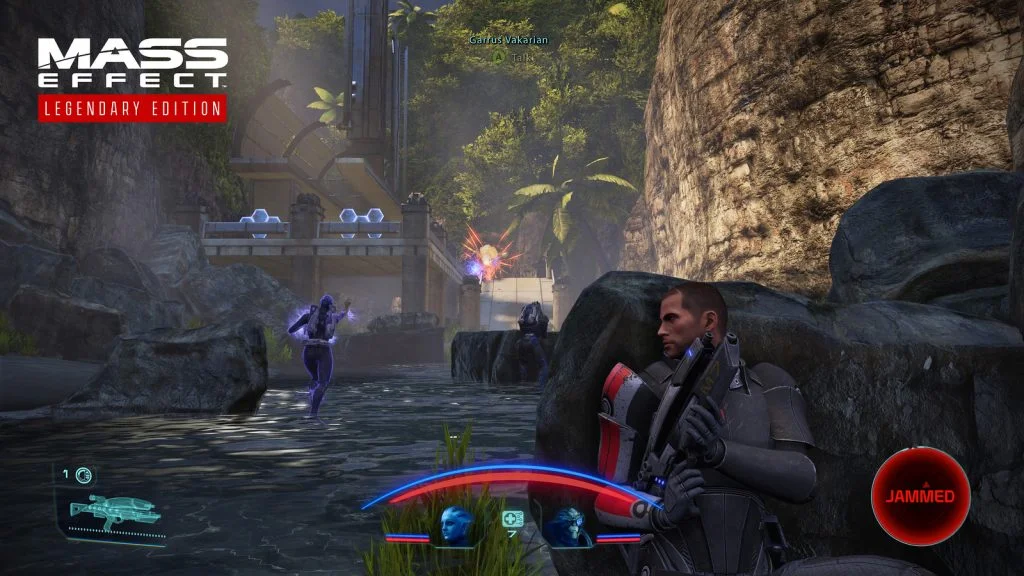
Mass Effect’s next chapter appears to have ended before players could judge it. BioWare’s closure has halted early development on a new game, leaving a franchise with a devoted audience and a promising remaster’s sales record without the comeback it seemed to be building toward. The loss isn’t just another cancelled project: it closes off a chance to test whether the series could carry its defining mix of character choices, political tension, and galaxy-spanning storytelling into a new era.
Andromeda made that return harder to deliver. It introduced a new lead and setting, while a compressed development period and a switch from Unreal Engine 3 to Frostbite 3 put added demands on the team. The result had strengths, particularly faster, more mobile combat, but its story and technical problems fell short of the original trilogy’s mark. Support ended after the 1.10 update in August 2017, leaving its emerging storyline to continue in other media instead of earning a chance to recover in games.
A series with room to continue
The original trilogy gave players a rare kind of long-form role-playing story. Shepard’s decisions shaped three games, while the surrounding world offered competing political interests, varied factions, and consequences that carried weight. That structure helped turn the series into more than a popular set of adventures: players built an attachment to its characters and universe, and Shepard’s ending didn’t exhaust the possibilities for stories beyond it.
Andromeda tried to open that next chapter with a new protagonist and an unfamiliar corner of the galaxy. Ryder had room to grow into the role, and the combat’s shift toward movement gave encounters a different pace. But a new engine, a new world, and new assets all had to come together under a tight schedule. The game arrived with visible technical flaws and a narrative that didn’t land with the same force as its predecessors. Its promising pieces never quite added up to a convincing new foundation.
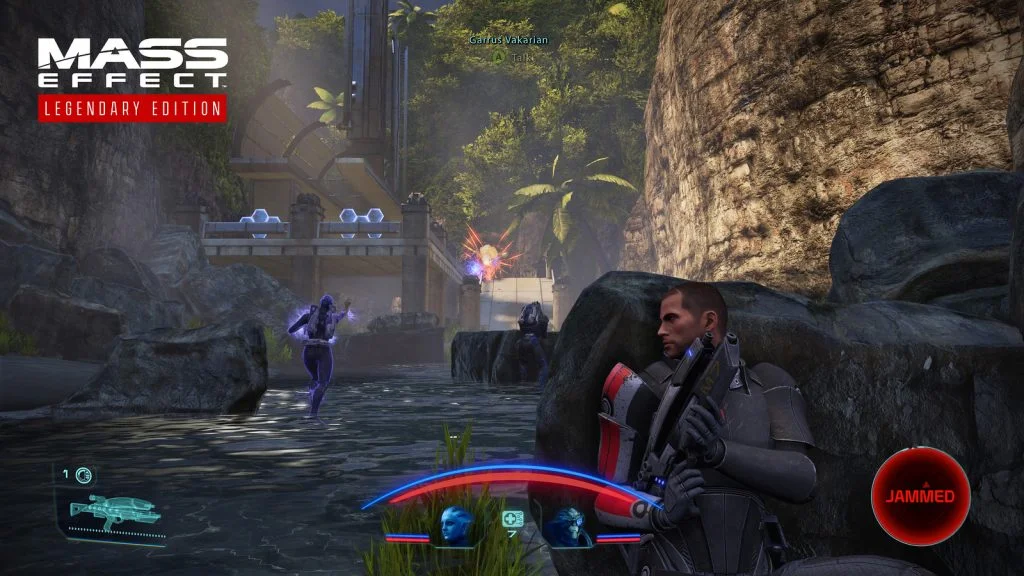
The question now is whether the franchise could have learned from that uneven return. The Mass Effect Legendary Edition offered evidence that players still cared: EA said its sales exceeded expectations. A remastered trilogy performing above forecast suggested there was an audience beyond people simply revisiting an old favorite. It also made a new installment seem commercially plausible, even if the remaster alone couldn’t guarantee that a sequel would meet EA’s ambitions.
A comeback that stayed in development
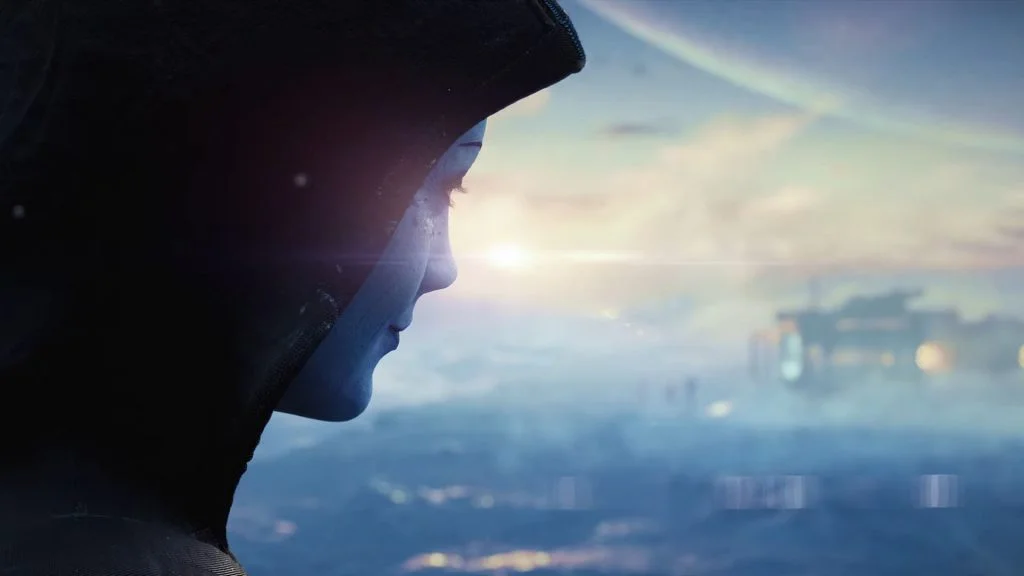
BioWare announced a new Mass Effect in 2020. Its trailer showed Liara, prompting questions about whether Shepard might return or whether the next game would follow another character through the same universe. The project spent years in the background as the studio underwent changes. In August 2024, BioWare cut 50 jobs but said Mike Gamble’s team remained in pre-production on the game. A restructuring in January 2025 moved more staff to other EA projects. Gamble later said in November 2025 that the game was actively in development.
Those updates kept the prospect alive, but offered little concrete detail. Meanwhile, EA had reason to scrutinize the studio’s next major release. Dragon Age: The Veilguard drew about 1.5 million engaged players in its launch quarter, below the company’s expectations. EA’s statement about BioWare’s closure pointed to a focus on its biggest opportunities and a reduction in the number of large action-adventure projects in simultaneous development. The company continues to support projects such as Iron Man and the next Star Wars Jedi game.
That context suggests the cancellation reflected a clash between the team’s creative direction and EA’s appetite for risk. The reported sales of Legendary Edition showed that interest in Mass Effect remained, but they couldn’t establish how much a costly new game would earn or how it would perform against EA’s other priorities. That leaves an uncomfortable gap: the series had signs of audience demand, yet the project never reached the point where players could decide whether the new vision worked.
What the new game might have been
People who worked on or followed the project have described an ambitious direction, though their accounts don’t amount to a finished design. Cinematic supervisor Tony de Waal said the game aimed for a “level of autonomy and choice that no other game has been able to match.” He cited Larian and CD Projekt Red as inspirations. That’s a formidable target in a field that includes The Witcher 3: Wild Hunt and Baldur’s Gate 3, but the aim fits the series’ history of making player decisions central to its storytelling.
Contract writer Derek Kunsken, who later joined the staff, described the work as “really cool” and referenced prominent writers Parrish Ley and Mary DeMarle. Author Catherynne M. Valente said she had spent more than three years writing for the game and spoke positively about what it could mean for the franchise. These comments give a sense of a project with experienced writers and a clear creative ambition; they can’t tell us how the finished story would have held up.
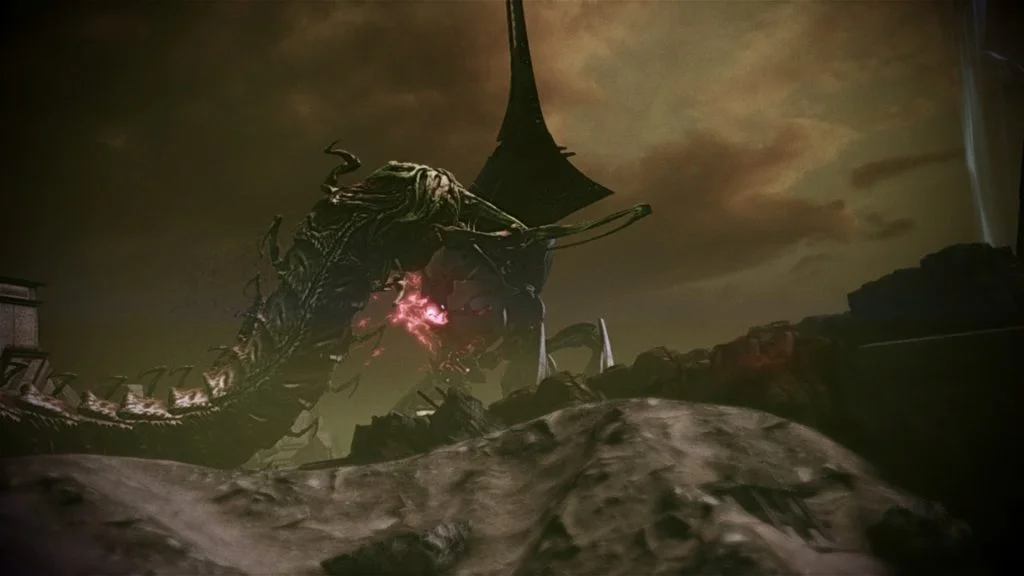
Content creator Dantics, who says he provided developmental feedback through BioWare’s Mass Effect Council, described a setting roughly 600 years after the Reaper War. In his account, humans, krogans, batarians, and other species faced strained political relations, with Council species forming an alliance and the Geth playing a major role. He also described a broader setting reaching beyond the Milky Way and Andromeda, alongside a new protagonist with an apparent focus on stealth and sabotage.
The same account points to new abilities, mission designs, and companion-based combat. Those ideas could have helped the game draw on familiar series strengths while giving players a different way to engage with its conflicts. But they remain descriptions of work in progress, not proof that the project had resolved the creative and technical challenges that dogged Andromeda.
A franchise left without an answer
The available accounts don’t support the easy conclusion that the people capable of making a strong Mass Effect had all left BioWare. Mike Gamble, Preston Watamaniuk, Derek Watts, and Parrish Ley were still involved as of January 2025. What former contributors have shared suggests a team building on the original trilogy while considering which parts of Andromeda worked and which didn’t. That could have produced a meaningful next step, but the game never got the chance to show its results.
Casey Hudson has expressed sadness for both developers and fans, and former general manager Mark Darrah has said EA could sell its intellectual properties. That leaves open the possibility that another team might someday continue the series, but there’s no assurance that this project or its ideas will survive the studio’s closure. For now, the promised return remains a collection of trailers, staff accounts, and unfinished plans.
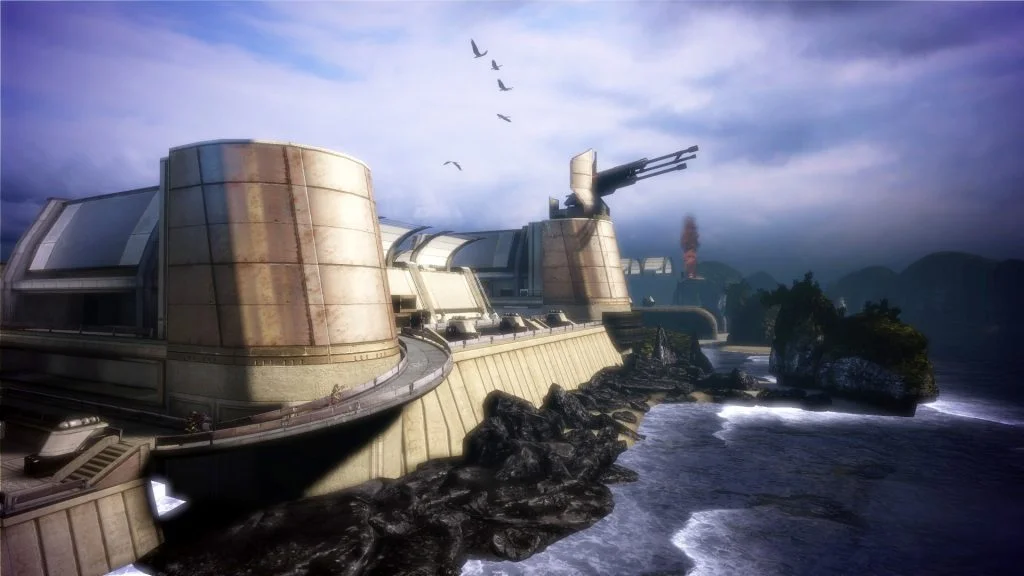
Mass Effect has earned its place through stories that made player choices feel consequential and through a universe large enough to support more than one hero. The next game may have built on those strengths, or it may have stumbled under the weight of expectation. We won’t know. Its cancellation leaves the series without a modern test of its appeal, and any future return will have to begin by turning that unanswered question into a game players can actually experience.

Discussion
Sign in to join the discussion.