Where Winds Meet has the scale and proven variety; Phantom Blade Zero may answer with faster combat that blends offense and defense.
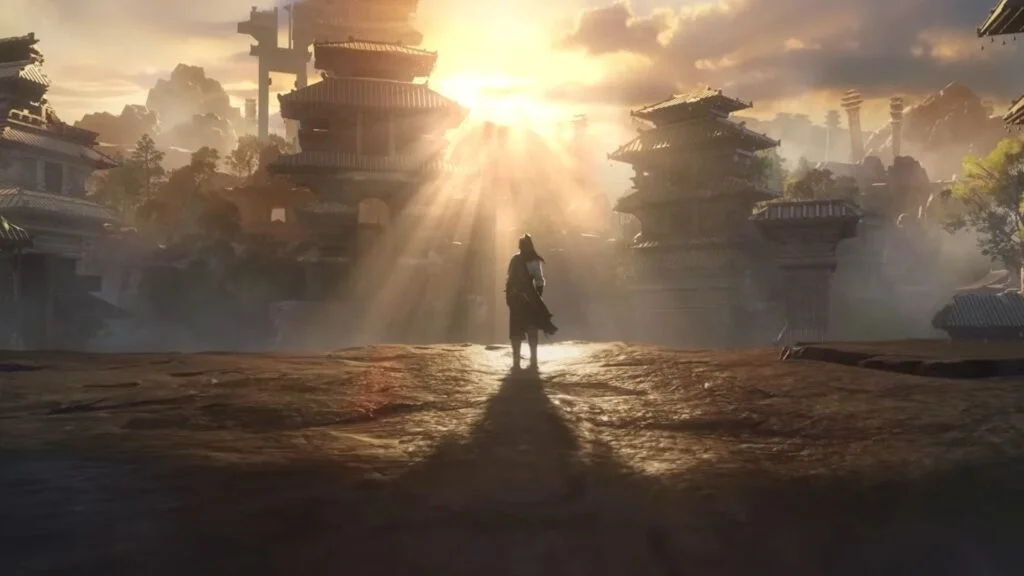
Phantom Blade Zero doesn’t need to match Where Winds Meet in size to compete with it. The sharper question is whether its focused story, high-speed fights and unusual approach to defense can deliver a wuxia experience that feels just as expressive. Based on what’s been shown so far, it has a credible chance—but concerns about enemy difficulty and pacing still need answers.
The comparison is useful precisely because these games pursue different ambitions. Everstone’s Where Winds Meet builds its martial arts fantasy around a large world that rewards exploration and long-term investment. S-GAME’s Phantom Blade Zero follows Soul, an already accomplished assassin on a high-stakes mission. One invites players to grow into a wuxia hero; the other appears ready to put them in the role of one from the outset.
Where Winds Meet makes its world part of the combat loop
Where Winds Meet has had time to show how its pieces work together. Its open world isn’t just a backdrop for fights: exploration changes how easily players can move through each region. As familiarity grows, more traversal options become available, including wall runs, midair dashes, Meteor Flights, Cloud Steps and walking on water.
That progression gives movement a satisfying link to discovery. The world becomes a place to practice and show off hard-won abilities, with each new skill expanding how players approach the next destination. The game’s wuxia inspiration reaches beyond the look of its landscapes and into the way players inhabit them.
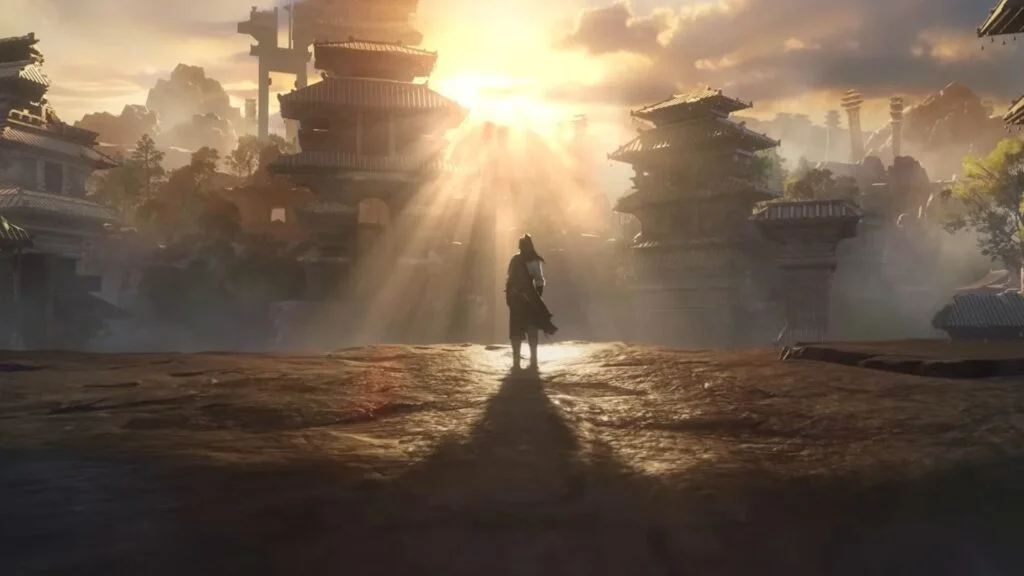
Combat follows a similar arc. Early encounters can feel awkward, with dodging doing much of the work. As players become more confident with parries, fights start to reward a tighter balance of offense and defense. Ordinary opponents can make a trip across the world feel dangerous, while bosses demand that players apply what they’ve learned under pressure.
The Shadow Puppeteer is a strong example of the game drawing on traditional performance to shape a fight. Sheng Wu uses puppets to create wide, difficult-to-answer attacks. The Ghost Master brings a different threat through poison and stealth. These encounters give the game’s martial arts influences a practical role in combat design, rather than leaving them as surface decoration.
Clear animations help make the action readable, and the combat is approachable enough to pick up while leaving room to improve. Weapons contribute to that variety, too. The game’s umbrella is an especially memorable option, and later expansions and content drops have added more tools, each with its own feel and learning curve.
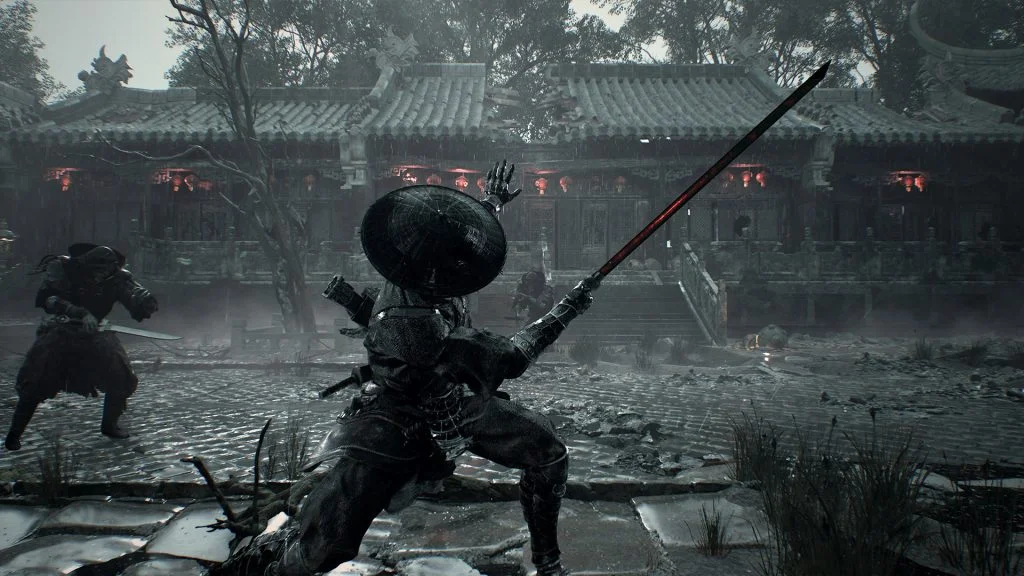
This is the standard Phantom Blade Zero has to meet in the areas where the games overlap: fights that feel distinct, movement with a purpose, and a world that supports the fantasy. But its smaller scope may let it concentrate on a different kind of momentum.
Phantom Blade Zero puts pressure on the fight
Soul begins as a skilled assassin, not as a novice working toward mastery. He has weapons at hand, more to acquire, and a mission that gives his journey urgency. That premise suggests a combat rhythm built around decisive action from the start. The previews point to strong animation and a protagonist whose movement—running along walls, climbing chains, flipping and dodging—has the flair expected of a wuxia-inspired adventure.
The most distinctive idea is how the game appears to connect attack and defense. In Where Winds Meet, players can interrupt an attack to parry or dodge, but offensive and defensive actions remain separate tools. Phantom Blade Zero appears to let players fold parries and dodges into attack strings as enemies respond. If that system holds up in the finished game, it could preserve the pace of a combo while making players react to incoming blows.
That distinction gives the games different combat identities. Where Winds Meet asks players to shift between attacking and defending. Phantom Blade Zero may ask them to do both within a single sequence. The latter sounds especially suited to a fast, cinematic style, though previews can only show so much about how consistently the system works across a full campaign.
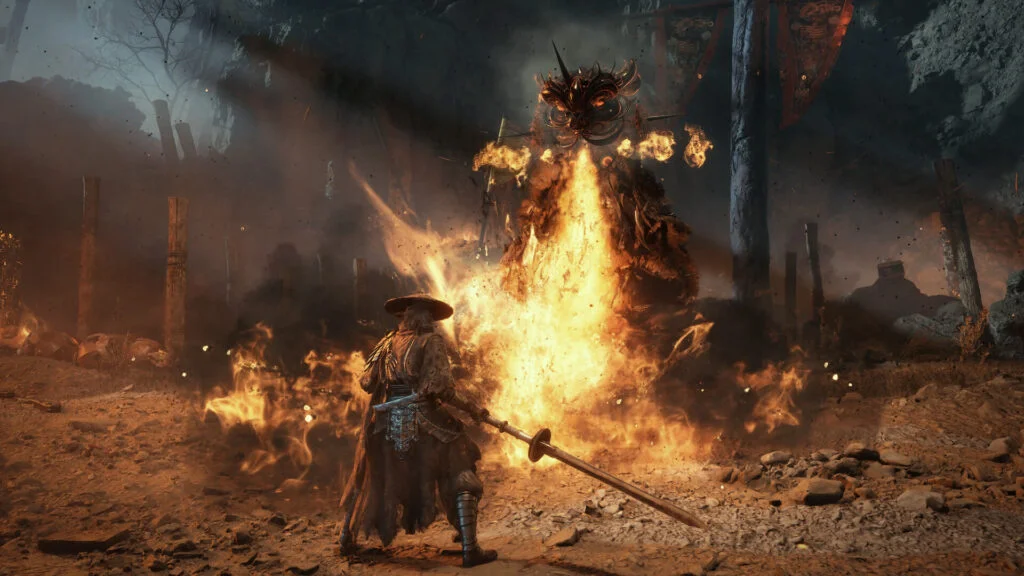
The visual direction also draws on tradition. The Lion Dance Puppeteer shown in Phantom Blade Zero offers a striking point of comparison with Where Winds Meet’s Shadow Puppeteer. Both use cultural forms to inspire distinctive enemies and spectacle. Which one lands better will come down to taste; the more telling point is that both games have found different ways to turn those references into combat encounters.
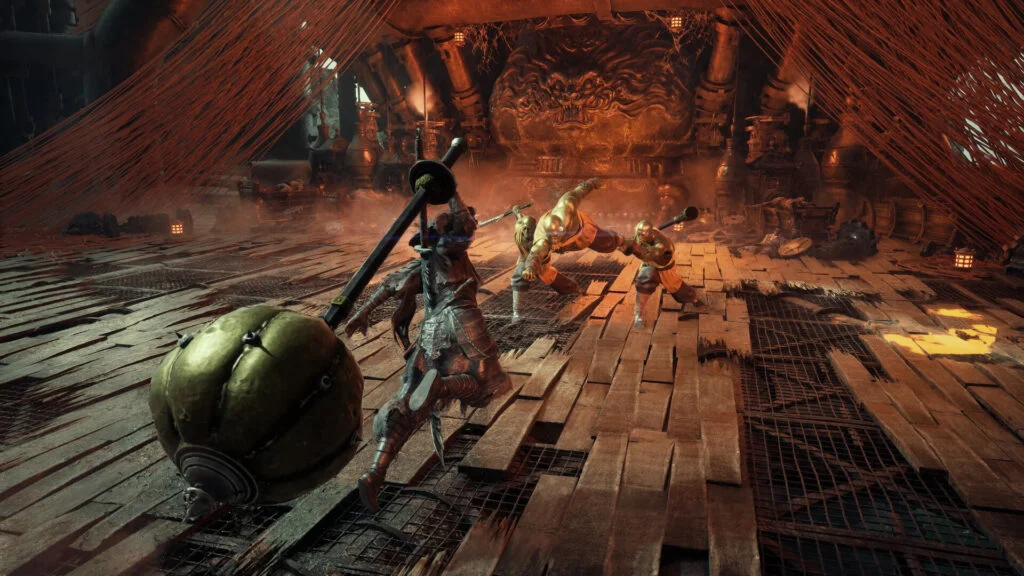
There are open questions. Preview accounts have raised concerns that ordinary enemies may be too easy, leaving areas feeling empty once cleared. Those enemies don’t respawn, which could make that problem more noticeable as players move through the game. A Hardcore option may increase the pressure, but it could also make the experience punishing for players who don’t use the combat systems deliberately.
Weapon variety could help distinguish Soul’s adventure. His arsenal is expected to include Phantom Edges, dual blades that can operate almost independently, cannons and flamethrowers. Those options could make for a broader range of combat styles than the weapons currently available in Where Winds Meet. The question is whether the game can make each one feel as rewarding to master as it looks in a preview.
The deciding factor will be consistency
Where Winds Meet has already established what its larger format can offer: exploration, traversal that develops with the player, a varied weapon roster and encounters that can make even routine travel exciting. Phantom Blade Zero still has to demonstrate how well its ideas hold across the full adventure, including its eight large maps.
Those maps needn’t rival the scale or activity of Where Winds Meet if the pacing and detail keep Soul’s journey compelling. A focused campaign can be its own strength, especially if the combat sustains the speed and responsiveness suggested by the previews. Yet sparse encounters or weak rank-and-file opposition could undermine that momentum, regardless of how inventive the boss fights or weapon animations turn out to be.
For now, there’s no clear winner to crown. Where Winds Meet has the evidence of a lived-in world and a combat system that grows with its players. Phantom Blade Zero has a promising combat hook and a more concentrated premise, but still needs to show that both can carry a complete game. Its strongest case will come from making every fight feel like a deliberate part of Soul’s relentless journey.

Discussion
Sign in to join the discussion.