GTA 2’s overhead view and punishing progression have aged, but its reactive streets and faction system still point toward the series’ defining strengths.
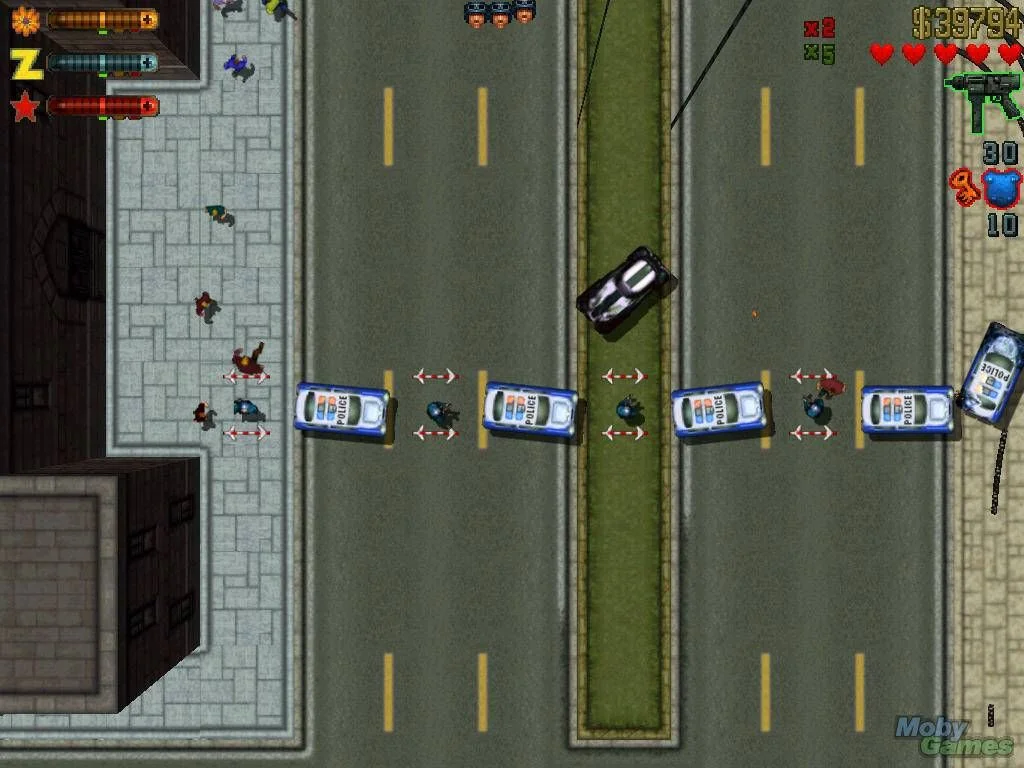
GTA 2 makes a useful case study in how a Grand Theft Auto game turns a city into more than a backdrop. Its overhead camera and demanding progression feel dated today, but its rival gangs, reactive streets and appetite for player-made chaos already contain ideas that would shape the series for decades. As anticipation builds for GTA 6, a return to Anywhere City shows how much of the formula was present in 1999.
That connection isn’t about matching the scale or presentation of Rockstar’s upcoming game. It’s about the systems underneath: jobs that pull players through a city, factions that react to their choices, and ordinary trips that can spiral into trouble. GTA 2 is rougher and more repetitive than its successors, yet it makes those ingredients unusually visible.
Anywhere City’s deliberate ambiguity
Anywhere City has a quality that sets it apart from the more specific settings in later entries: even its era is open to interpretation. Readings of the game place it anywhere from 1999 to 2013, a span encouraged by deliberate ambiguity in the game’s sources. Its visual language mixes familiar details with futuristic touches, making the city feel recognizable without pinning it to a single moment.
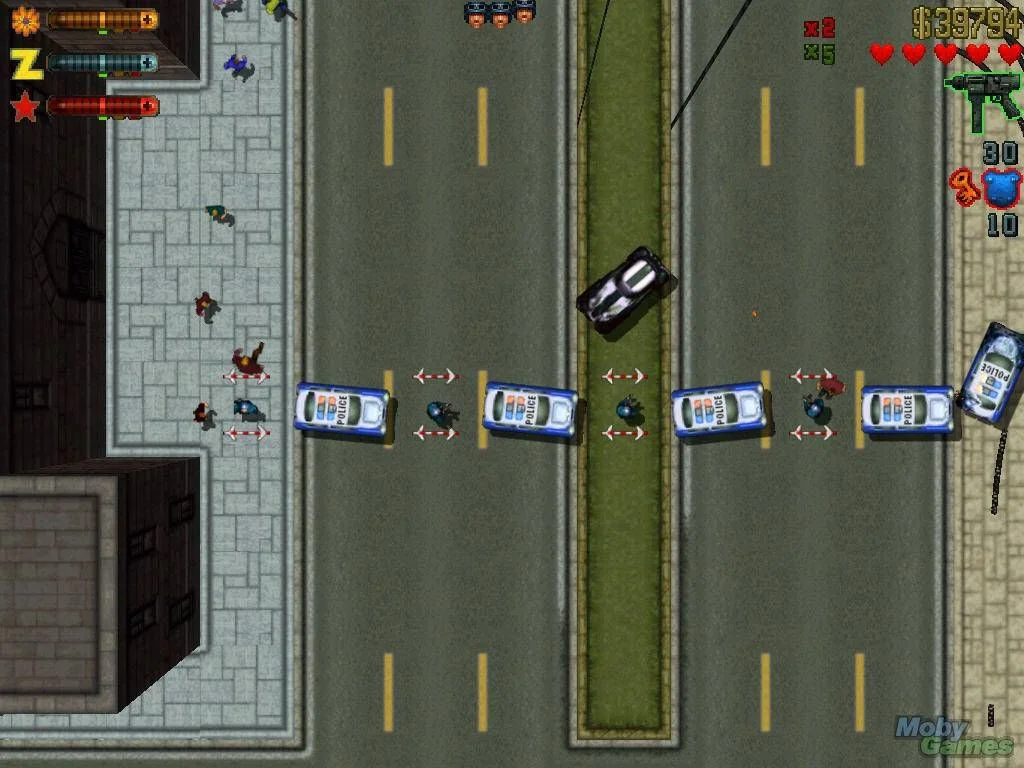
The original manual describes a city buckling under corporate apathy and criminal exploitation. That tension shows up in the districts, their changing decor and the jobs distributed across them. Moving through Anywhere City means passing through places with distinct looks and competing interests, rather than simply crossing empty space between mission markers.
The setting’s strangeness works because the city remains legible. It’s a stylized place, but one with streets, businesses and factions players can learn to navigate. That combination of an unusual atmosphere and practical geography gives the game a strong identity, even as its camera keeps the player at a distance from the action.
Gang respect makes jobs carry consequences
The Gang Respect system gives that geography a social dimension. Helping one faction affects how others regard the player, and access to work changes with those relationships. A job can earn money and influence while closing off other opportunities, turning faction choice into a decision about both progression and the kind of trouble likely to follow.
One early mission captures the game’s loose, unpredictable rhythm. The player has to pick up a member of an opposing faction and take him in for interrogation. Along the way, intimidating pedestrians can build a cash multiplier. The trip has a clear objective, but the surrounding streets make it easy for the task to acquire complications of its own.
After the interrogation, the player is told to take the vehicle to a nearby car crusher, passenger included. It sounds like a straightforward end to the job. A badly timed turn that puts the car into a police vehicle can instead trigger a pursuit and put the payout at risk. A sequence of ordinary objectives suddenly becomes a scramble to escape.
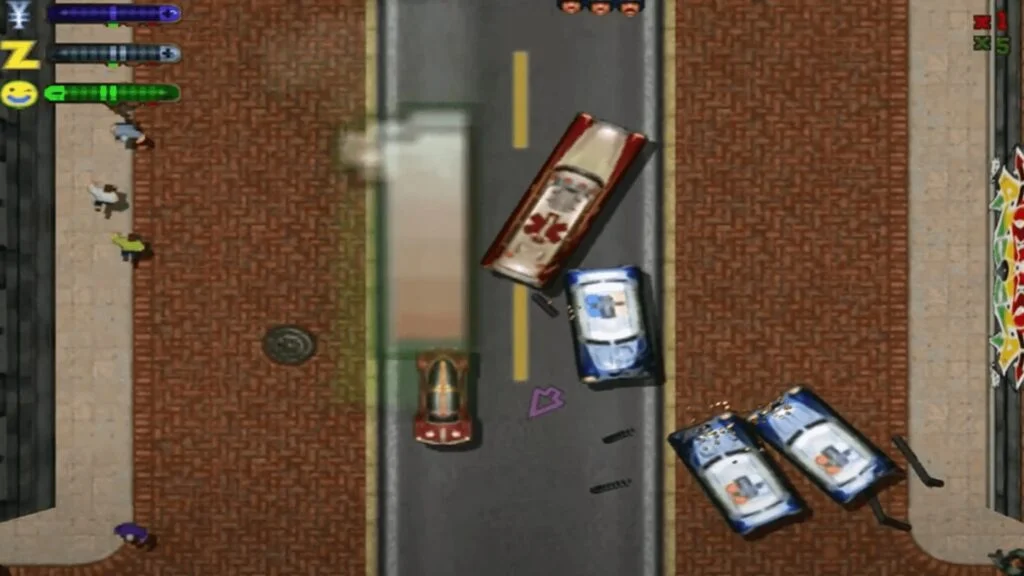
That unpredictability makes the mission more memorable than its basic structure suggests. Many jobs still rely on familiar patterns: drive somewhere, deliver something illegal, carry out a robbery or fight another gang. There are other objectives to break up the routine, but how well they do so will depend on the player. Repetition is one of the game’s clearest limits.
Faction allegiance adds another wrinkle. Work for one gang and another may stop offering jobs, reducing the player’s potential income. At the same time, hostility can spill onto the streets. A mission might ask the player to steal a van, collect reinforcements and drive into a shootout, while rival gang members can make the journey there dangerous before the objective even begins.
Chaos is part of the reward
GTA 2 doesn’t treat disruption as a side effect of play. It builds that disruption into the loop. Causing trouble on the way to an objective can increase a cash multiplier, so detours and reckless decisions can be rewarding as well as risky. The city keeps presenting opportunities to abandon the plan: a car worth stealing, a collision that blocks traffic, or a new threat that demands a quick response.
Each interruption can feed another. A carjacking may attract gang members or police. A collision can provoke an angry pedestrian. A pursuit can turn a routine drive into a series of hurried maneuvers. The player’s actions meet the city’s existing conflicts, giving even simple trips room to develop into improvised stories.
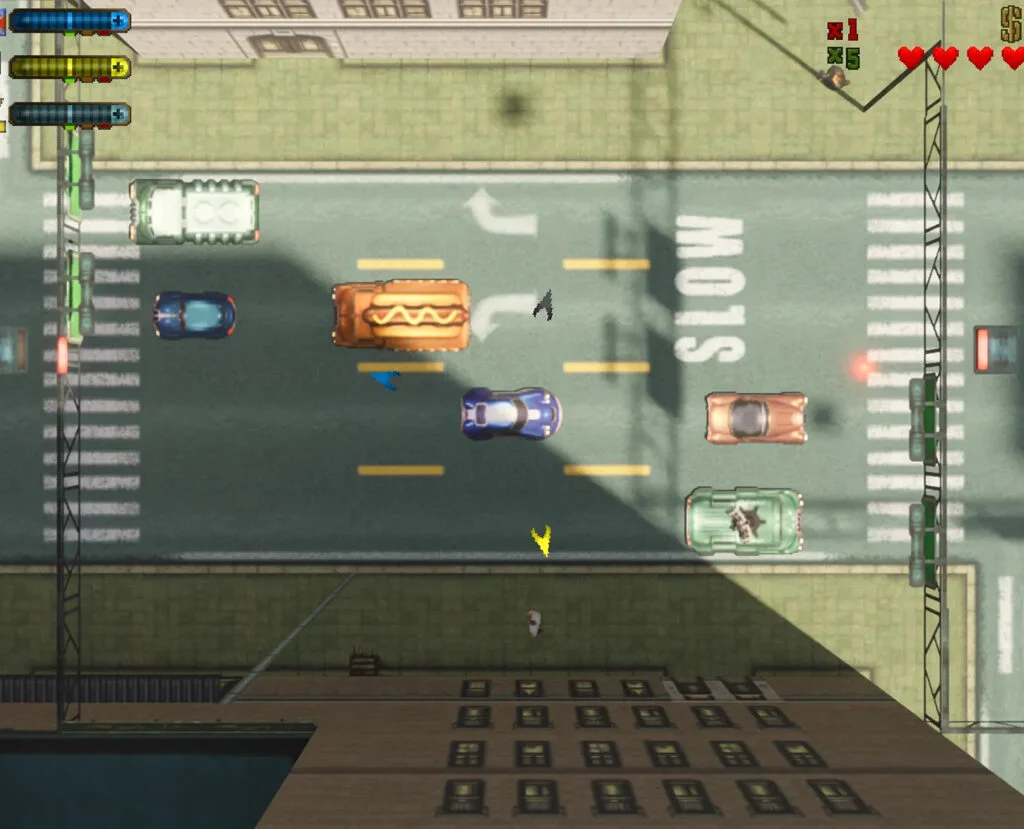
The police are an especially effective source of pressure. Their behavior looks easy to exploit by modern standards, but a pursuit can still disrupt a player’s plans. Patrol cars may chase the player or try to cut them off at junctions. Changing vehicles after killing pursuing officers doesn’t always end the danger: another police car that witnessed the crime may pick up the chase.
Those encounters can force mistakes when the player expects a getaway to be over. That’s the point. The game makes the route between jobs part of the play, with just enough response from the city to keep a familiar drive unstable.
Where the old design shows its age
The overhead camera is the most immediate barrier for a modern player. It had a distinctive appeal at release, but it creates distance from the people, pursuits and shootouts that the series would later bring closer to the player. Compared with contemporary entries, the view can make the city feel more like a board for moving pieces than a place to inhabit.
Progression can be even less forgiving. Losing accumulated cash after a string of successful jobs stings, particularly when earning it back means repeating familiar tasks. When a mission goes wrong, the setback can make the game’s repetitive structure harder to ignore. A loop that once suited the era’s appetite for grind can feel like busywork now.
Those weaknesses help clarify what later games had to improve. GTA 2 puts freedom, side activities, faction conflict and escalating disorder into the same space, but it doesn’t always make those systems feel varied. The series’ later development would bring its open-world elements into richer combinations, reducing the sense that players were simply cycling through job types.
A blueprint with a distinct voice
The game already has the series’ recognizable humor. Its mission briefings use puns and references, and its dialogue looks for laughs amid the violence. That voice would evolve in later entries, just as the worlds became more detailed, but Anywhere City shows that tone and setting were part of the design early on.
GTA 2 isn’t a convincing preview of how GTA 6 will play moment to moment. Its lasting value lies elsewhere: it shows the early form of a series built around player freedom, responsive streets and chaos that can escalate without warning. Anywhere City’s rough edges make the distance traveled easy to see—and its core ideas worth watching as the next entry takes shape.


Discussion
Sign in to join the discussion.