Rising memory costs could push Project Helix toward $1,800 and the PS6 above $1,000, testing how much players will pay for new hardware.
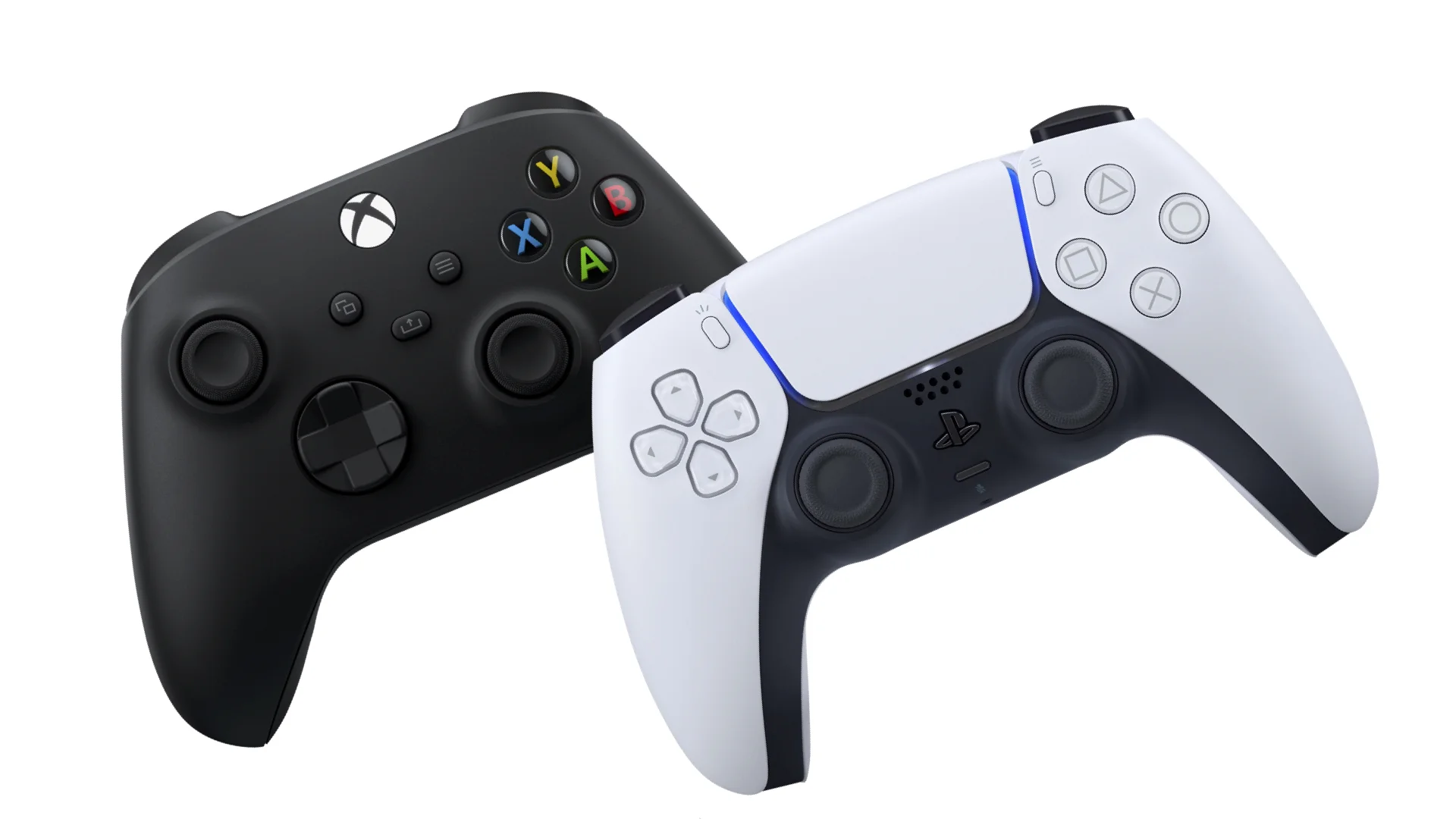
The next console generation may be defined less by its graphics than by its price. Reports put Microsoft’s Project Helix at a projected $1,200 to $1,800, while a separate estimate says the PS6 could cost less to build but still approach or exceed $1,000 at retail. Those figures aren’t confirmed prices, but they point to a real challenge: memory costs are making the traditional console launch increasingly difficult to sustain.
Cost estimates raise the stakes
A recent Fortune profile of Xbox CEO Asha Sharma included reported plans for the company’s next hardware cycle. It described a next-generation handheld targeted for Holiday 2027 and a new console expected in 2028. The console, known internally as Magnus, is reportedly projected to cost between $1,200 and $1,800.
That range is unusually wide, and it should be read as a sign of uncertainty as much as a price forecast. Component costs could change substantially before launch. Still, even the low end would put the machine well above the $499 launch price of the Xbox Series X. The high end would make it a premium purchase for many households, regardless of what technical gains it offers.
The reported pressure comes in part from shortages of memory components. Industry insider Kepler_L2 has claimed that RAM and NAND alone could cost around $680 to manufacture for the PS6. The same source has put the PS6’s bill of materials roughly $200 below Magnus’s. These are claims, not confirmed specifications or final manufacturing costs, but they help explain why forecasts for both systems have climbed.
Applying the same rough assumptions to PlayStation could put the PS6 in a $1,000-to-$1,600 range. That calculation isn’t a retail forecast, and Sony hasn’t announced a price. But the gap matters: a lower manufacturing cost could give Sony more room to price competitively, while Microsoft may have to choose between absorbing more of the cost and asking buyers to pay a premium.
The market may not support premium pricing
Here’s the tension for both companies: they need new hardware to give the market a reason to upgrade, yet the people they want to reach may be priced out. The current generation hasn’t delivered a sustained lift in console sales, and recent reports point to declines for both platforms. PlayStation has shipped close to 100 million PS5 consoles, but its sales for the comparable period were reportedly the lowest since 2013. Xbox also recorded a particularly weak year in the United States as of August.
Those numbers make a high-priced successor harder to justify. Strong demand from a dedicated group of early adopters could help a launch, but it wouldn’t automatically replace the broader audience needed to support a console business. If fewer people buy the hardware, that can also narrow the audience for games and services designed to bring players into the ecosystem.
Neither company can count on current consoles to carry the market indefinitely, either. The PS5 and Xbox Series X|S have already seen price increases, which make them less accessible even before the next generation arrives. Grand Theft Auto 6 could spur purchases across the industry, but the source of that potential lift is uncertain, and one major release can’t guarantee lasting demand for hardware.
Why Xbox may lead with a handheld
Microsoft’s reported plan to release a handheld before its next console could be a way to reach players at a lower hardware price. The Fortune profile describes the device as a next-generation handheld due around Holiday 2027, a year ahead of the reported 2028 console window. A portable system could also give Xbox another route into a segment that has drawn fresh attention from PC makers and Nintendo.
That strategy has its own execution questions. Reports say the Xbox and Windows teams disagreed over the handheld’s operating system, with one Xbox executive reportedly wanting to cancel the project. Xbox is now said to have substantial control over its software direction. Those details suggest that product design and software experience remain unsettled, even as Microsoft is trying to establish a place in the handheld market.
Its existing Xbox Ally and Ally X devices haven’t transformed the handheld PC category. A new Xbox device would need a clear reason for players to choose it, especially if it competes with established portable PCs. And if the appeal depends on cloud gaming, recent changes to Xbox’s cloud gaming hours may become part of how buyers judge the offer. The available reporting doesn’t spell out the device’s price, capabilities, or service terms.
Microsoft is also reportedly considering changes to Game Pass that would let subscribers select features such as cloud gaming, multiplayer, or add-ons for console-only games. The timing and pricing haven’t been disclosed. That model could give Xbox more ways to package its services, but the hardware and subscription questions are connected: buyers will weigh the full cost of entering the ecosystem, not just the console’s sticker price.
Timing could reshape the competition
A 2028 launch would make the current console generation unusually long, with the Xbox Series X|S having arrived in 2020. It could also give Sony a decision to make. The available claims leave open whether PlayStation would keep the PS6 on an earlier schedule, shift its plans to match Xbox, or introduce a rumored handheld first.
If Sony released a console a year ahead of Project Helix, that head start could strengthen its position after a generation in which PlayStation has outsold Xbox. A handheld arriving around the same time could further complicate Microsoft’s plans. But timing alone wouldn’t settle the contest: price, software, availability, and the reasons to upgrade would all shape how players respond.
There’s also the question of whether Microsoft would subsidize Project Helix to narrow the price gap. That could make sense if its cost estimates prove accurate and Sony launches at a lower price, though it would mean accepting a smaller return on each machine. PlayStation CEO Hiroki Totoki has said the company doesn’t want to sell hardware at “significant losses,” which suggests Sony may also be reluctant to compete through deep subsidies.
Accessibility is the central risk
High component costs could have effects beyond a headline launch price. A company facing expensive hardware might prioritize markets where it expects stronger sales, making availability and pricing less consistent across regions. The source of the current estimates doesn’t establish that either manufacturer plans to pull back from particular countries, but regional affordability will be difficult to ignore if projected costs stay elevated.
The problem isn’t that buyers have stopped caring about better hardware. It’s that each price increase raises the bar for what the upgrade must deliver. Faster loading or improved visuals may not be enough to persuade a broad audience to spend four figures, especially if they already own a current-generation console and can still play new releases on it.
Memory shortages have put manufacturers under pressure before either has announced a final design or price. That leaves time for costs and plans to change, but the direction of the current reports is hard to miss: the next generation could make console ownership a more expensive proposition. The key measure will be whether Sony and Microsoft can pair higher hardware costs with a compelling enough reason to upgrade, without shrinking the audience their games and services depend on.
Note: The views expressed in this article are those of the author and do not necessarily represent the views of, and should not be attributed to, GamingBolt as an organization.

Discussion
Sign in to join the discussion.