Eight varied regions, useful side quests and flexible builds could give Phantom Blade Zero’s world a role beyond connecting its fights.
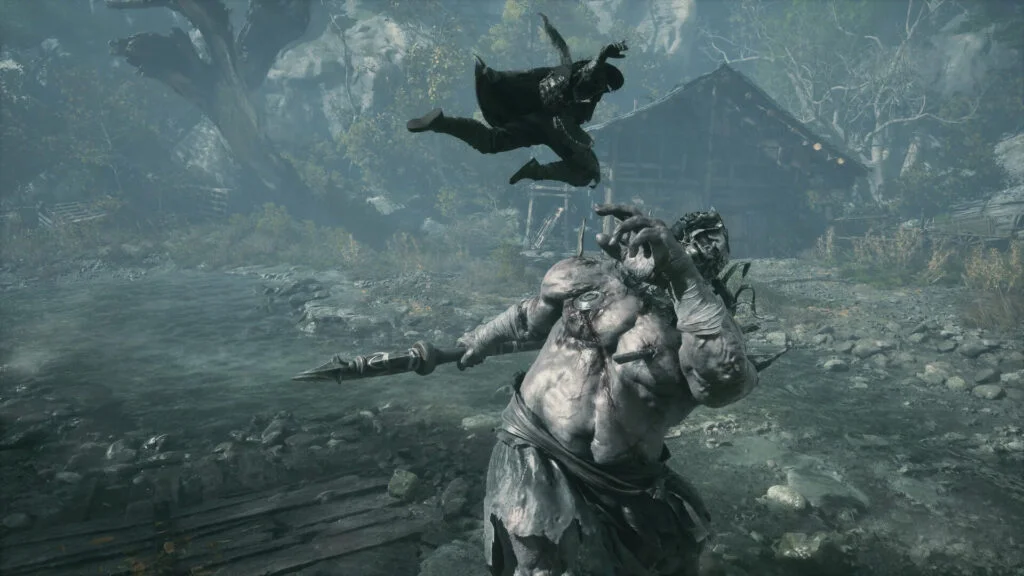
Phantom Blade Zero has made a strong first impression through its fast, elaborate swordplay. But the Wulin, the martial arts world shown in the latest State of Play presentation, may determine whether that combat sits inside a place worth exploring. The previews suggest that traversal, side quests and the decision to keep cleared enemies dead could give the setting a meaningful part in how the game plays.
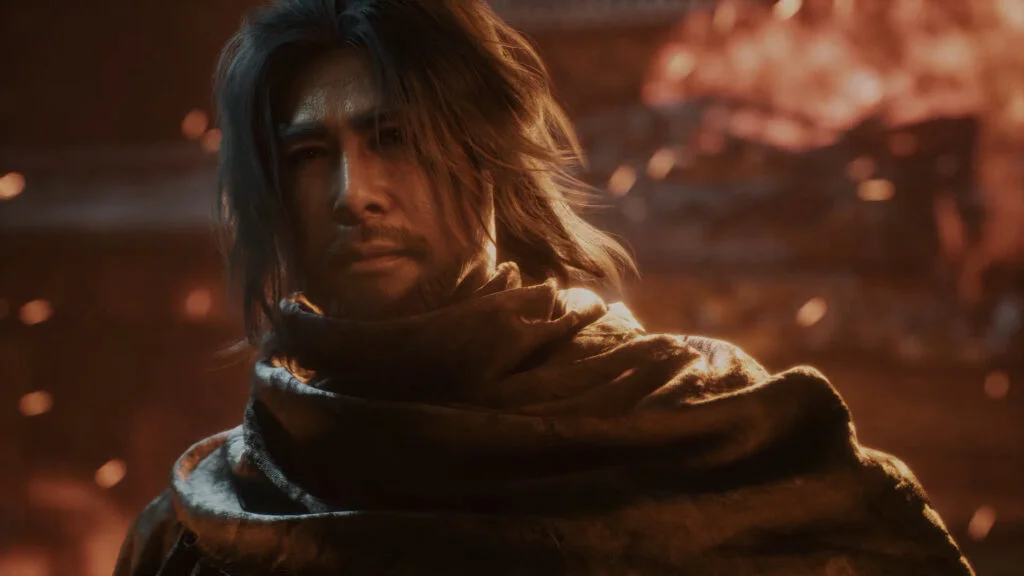
That promise matters because a stylish combat system can only carry so much of an adventure on its own. Soul’s journey to restore his damaged heart and clear his name gives the world a narrative purpose; the question is whether its regions offer enough reasons to stray from the route to the next fight. So far, the strongest signs come from the way exploration appears connected to both rewards and character building.
Eight regions with room to look around
The game is set to feature eight distinct maps, described as open zones arranged around a linear progression toward the next story beat. Players can take optional routes through each region, making the structure familiar on paper: a series of bounded areas with a clear main path and room to wander.
That format has appeared in other action games, including Nioh 3. Its success here will depend on whether each zone feels like more than a backdrop between missions. The Wulin’s mixture of Chinese martial arts settings and steampunk machinery gives the developers a strong visual vocabulary to work with, while the regions shown so far suggest differences in both atmosphere and terrain.
Traversal could help those places feel engaging before a player reaches their optional discoveries. Soul can run along walls, climb chains and swing from them. Those moves imply levels built with height and layered routes in mind, where reaching a point of interest may require paying attention to the surrounding architecture rather than simply following a marker.
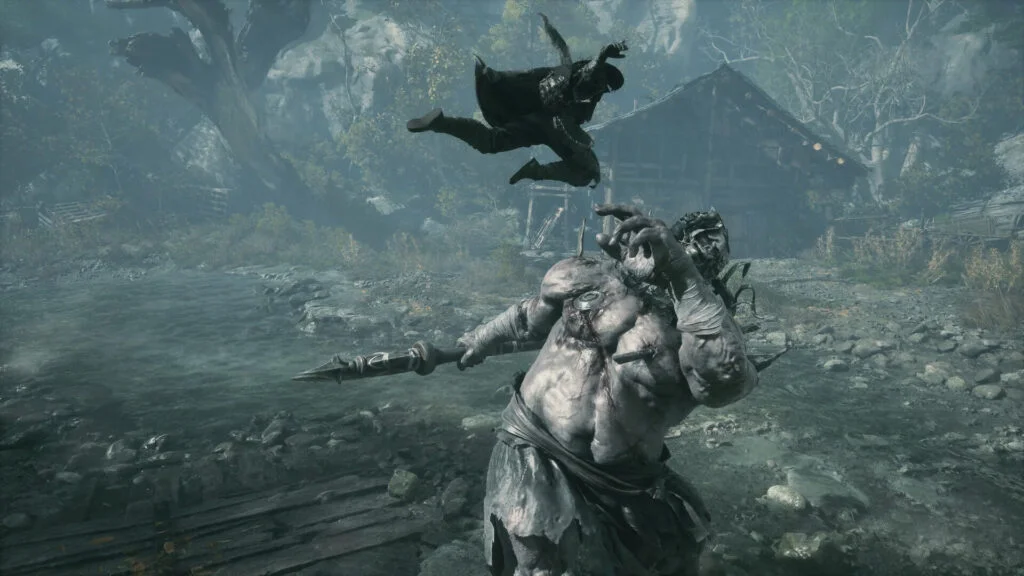
Movement can become a reason to explore in its own right. Marvel’s Spider-Man showed how traversal can make crossing a familiar city enjoyable enough that players choose it over faster travel. Phantom Blade Zero is working with a different pace and setting, but the same principle applies: if moving through a level feels good, the trip between story encounters becomes part of the appeal.
Still, attractive routes need destinations. The more promising details in the previews involve people and places that can draw Soul away from the main objective, with rewards that may affect how players approach later encounters.
Side quests that can change a loadout
Soul is under pressure to complete his mission, and the story’s urgency could make optional errands feel like distractions. Yet one preview offered a practical reason to stop: an archer on a rooftop asks for help recovering his damaged bow. Returning it earns Soul a ranged Phantom Edge, adding a new tool to his combat options.
That exchange connects a small human problem to a tangible change in play. It also gives exploration a clearer purpose than collecting an unspecified reward. A player who takes the detour gets a new way to fight; one who passes it by may have to manage without that option. The previews don’t establish that every side quest will offer a similarly useful payoff, but this example shows how a conversation could matter beyond filling in background details.
Maps are meant to point players toward places of interest, while the level design and traversal mechanics determine how they get there. Some regions may also require particular tools to access. Together, those elements suggest a world where following a lead can involve observation and movement as well as combat.
Whether every detour delivers on that promise remains an open question. But there’s a useful design idea here: giving Soul a reason to help someone he meets can make the world feel connected to his journey, even when the task seems minor beside his personal crisis.
Cleared areas could invite another visit
Two preview details could shape how players spend time across the Wulin. First, enemies that Soul defeats stay dead when he returns to an area. Second, players can change weapons and skills freely, without committing to one build for an entire run. That flexibility should make experimentation easier, while the absence of respawning foes changes the cost of revisiting places.
With enemies gone, a return trip could be an opportunity to search for hidden routes without being pulled into another fight. That’s useful in a game with vertical traversal and optional discoveries, though it also puts more pressure on the regions themselves to remain interesting. If combat is a major draw, fewer repeat encounters could leave some areas feeling quieter than expected.
The same enemy rule appears to limit the supply of experience available for upgrades. Players may need to think carefully about how they spend it, since defeating the same group again won’t replenish their options. That constraint could encourage more deliberate choices, and it may give a later playthrough a different shape. The freedom to respec offers a counterweight: players can test different equipment and skills without starting over simply to change their approach.
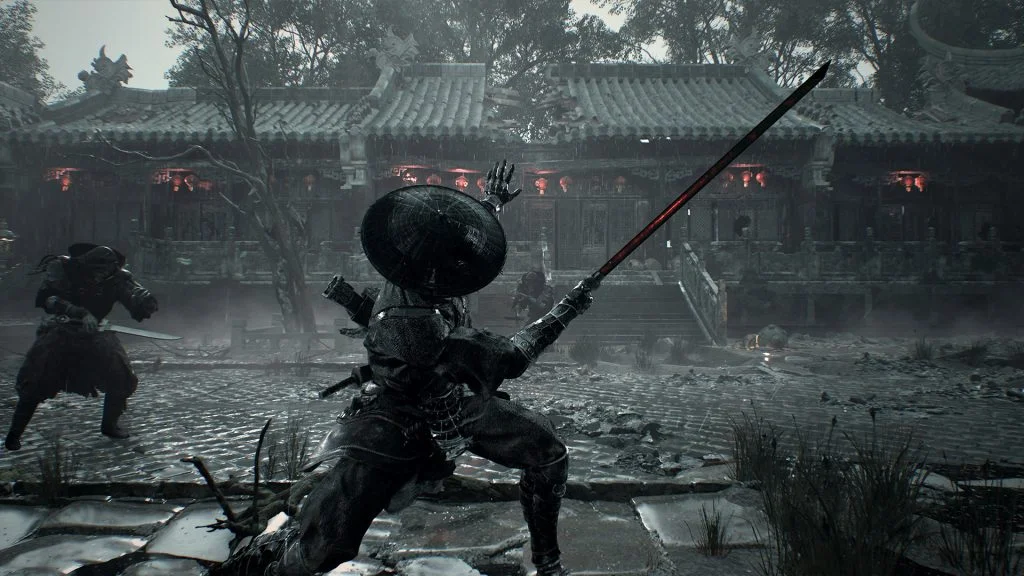
For exploration to fill the space left by fewer fights, the environments need a distinct identity. The previews have offered several strong examples: bandit-filled valleys, an unsettling warehouse with puppets hanging overhead, and a metal tower where pagoda roofs sit alongside steampunk chimneys. The tower houses the Lion Dance Grandmaster, tying its unusual design to a character rather than leaving it as scenery alone.
Regional identity also appears to extend to enemies and bosses. The opponents shown so far have movesets that suit their surroundings and themes. If that relationship holds across the full game, each location could have a character of its own, even when players are simply passing through or returning to search for a missed path.
What the previews can’t yet settle
The Wulin’s potential depends on several parts working together. Its atmosphere has to make players curious; traversal has to keep the journey enjoyable; and the places reached along the way need to offer discoveries or rewards that justify the detour. The previews have shown evidence for each part, but they can’t establish how consistently the finished game will deliver.
There’s also a pacing question. Some early enemies have appeared less threatening than the bosses, which could create a lull between major battles. Hardcore mode may provide more pressure for players seeking a tougher run, but its presence alone won’t answer how the rest of the world holds attention.
My read is that Phantom Blade Zero is aiming for a world that contributes to the play loop, rather than serving only as a route between combat set pieces. Eight varied regions, optional conversations with useful rewards, and the chance to revisit cleared spaces with a new build all support that aim. The real test will be whether those details add up across the full journey. If they do, the Wulin may become a reason to return to the game even when Soul’s next fight is still some distance away.
Note: The views expressed in this article are those of the author and do not necessarily represent the views of, and should not be attributed to, GamingBolt as an organization.



Discussion
Sign in to join the discussion.