MXGP 26 pushes riders to adapt to ever-changing terrains, offering a realistic and challenging motocross experience while highlighting areas for improvement.
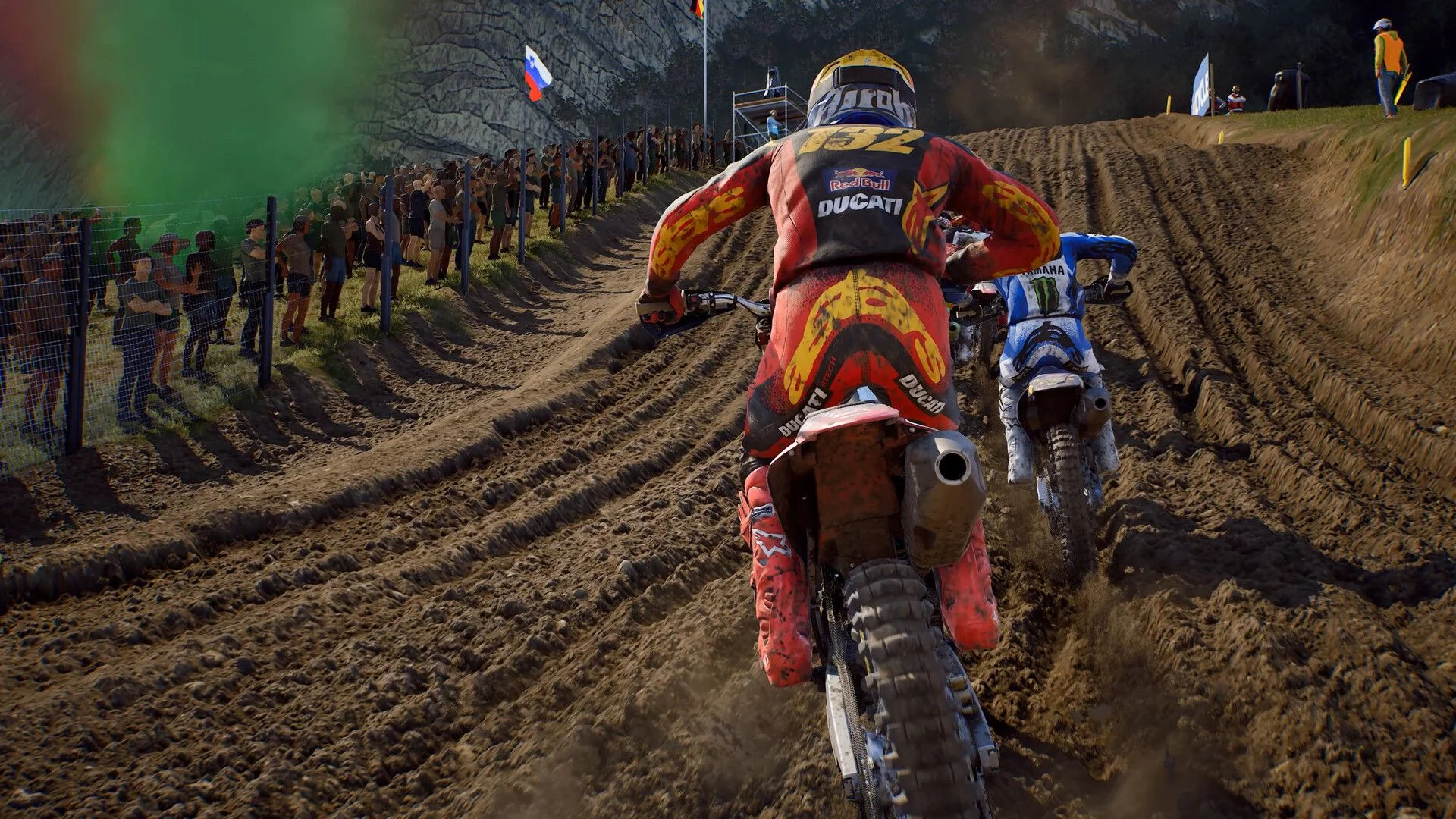
Motocross is an unpredictable sport, and MXGP 26 immerses players in that chaotic realism. Forget about pristine racing lines; this game focuses on the struggle of mastering bike control amidst constantly shifting terrain. It demands a careful balance of throttle, steering, and weight distribution, forcing you to respond dynamically to both the track and your machine.
What sets MXGP 26 apart from typical racing titles is its emphasis on managing the unpredictability inherent in motocross. As the surface deteriorates with every lap, the game evolves into a battle for stability rather than a pursuit of precision. You'll soon find that the mere act of keeping your bike upright can feel like a victory.
Maneuvering through iconic tracks like Foxhills, Loket, and Afyonkarahisar, you quickly learn that achieving the fastest lap isn't solely a matter of raw speed. Memorizing jumps and mastering ruts are essential. The game encourages you to remember where to exert force, where to let off the gas, and how each section of the track changes over time. The journey to the finish line demands more than just mastering the turns; it often requires brute force against the whims of the terrain.
When racing on tracks like Uddevalla, known for its hard-packed soil, the surface remains consistent yet evolves with the progression of the race. You’ll have to adapt as new ruts form and existing paths become scarred. Even a seemingly simple feature like a jump can become complicated—approaching it too fast means overshooting the landing, but too slow leads to loss of momentum for subsequent obstacles.
Switching to the Kegums circuit in Latvia while cranking the Dynamic Deformation setting to its peak introduces extreme disruptions to the track. Here, the deformations appear realistic, with deep ruts and new lines emerging throughout each race. However, at maximum settings, the unpredictability sometimes overshadows skill, making races feel more like survival tests than displays of expertise. Striking the right balance in deformation settings is personal; what one player may find adds challenge, another may see as frustrating.
As for the surfaces in MXGP 26, they vary significantly. Hard-packed surfaces are predictable, allowing for a stable ride, while clay tends to drift between unpredictable and merely residual. My experience on clay, especially at Agueda, revealed a surface that didn't offer much differentiation from hard pack. Sand, in contrast, changes the game entirely, requiring adaptations in riding style as bikes frequently bounce off its natural undulations. This surface feels distinctly challenging and requires a careful balance of momentum and control.
As you customize your bike, MXGP 26 does a commendable job of explaining the mechanics behind different settings, ensuring even those with limited knowledge of suspension tuning can adjust effectively. However, the option to ‘Apply Recommended Bike Setup’ merely resets to a default setting without providing targeted advice, which feels lackluster.
The game also allows players to modify the riding experience, from brake assistance to track deformation responsiveness. I found features like slope steering to offer a tangible impact on my racing strategy, allowing me to exploit specific track shapes without sacrificing speed. However, the significance of reducing braking assistance didn't feel as apparent as other adjustments, which may leave some players wanting more granular control.
One notable shortcoming lies in the AI opponents. They often display erratic behavior, overshooting jumps or making questionable decisions during tightly contested early race stages. This sporadic behavior detracts from the immersive experience that the gameplay attempts to create, introducing a different form of unpredictability that feels misplaced in a title built around the chaos of dirt racing.
MXGP 26 excels most when it centers around the act of riding. Progression in the game feels peripheral, primarily serving as a way to unlock equipment and vehicles rather than offering substantial beef to your racing experience. While modes like championship emulate the grand prix structure over a season, they don’t fundamentally change the core of what players actually come for—the thrill of riding.
Graphically, the game presents well in certain areas, such as rider animations and bike models, although ambient elements like weather effects and crowd atmosphere leave something to be desired. Weather changes, including rain, can create slick surfaces; however, I didn't notice significant differences in handling under wet conditions compared to dry ones. While engine sounds and the resulting feedback add to the experience, they lack the individuality that might make each bike memorable.
Despite a few rough edges, MXGP 26's strength lies in its handling dynamics. The bikes naturally feel unstable, requiring players to actively adjust their riding techniques as they encounter shifting terrain. Embracing the chaos—learning to navigate ruts with finesse and hit jumps effectively—becomes increasingly rewarding. Yes, there are quibbles with AI, certain surfaces could feel more distinct, and the overall package may seem minimalistic. Yet, the underlying riding model offers a satisfying challenge, transforming an unpredictable environment into an opportunity for skillful riding.
This game was reviewed on the PlayStation 5.



Discussion
Sign in to join the discussion.