The Kingdom Hearts Collection [I-III] ingeniously blends nostalgia with timeless themes, but it's unclear who this bundle truly serves amidst its dated mechanics.
Kingdom Hearts Collection [I-III] compiles the Dark Seeker Saga, offering both the numbered titles and important spin-offs in a singular, updated package. Available for the Nintendo Switch, this collection promises enhanced visuals, smoother framerates, and quicker loading times. Yet, it’s essential to question its target audience. Aside from newcomers to the franchise or those who prefer playing on the Switch, does this collection provide enough value for seasoned players?
Many veterans of the series have already invested countless hours in Disney-filled adventures with Sora, Donald, and Goofy. Hence, this collection mainly serves as a convenient gateway rather than a fresh experience. Exploring the series afresh or revisiting it may offer nostalgia, but for many, mere convenience may not be enough to reignite excitement.
While exploring the collection as a newcomer, a striking issue is its lack of guidance on which titles are essential and which are merely optional. This becomes problematic, especially given the convoluted nature of the Kingdom Hearts narrative; clarity on the sequence of entries and their importance would significantly enhance the experience.
Returning to Kingdom Hearts I: A Nostalgic Experience
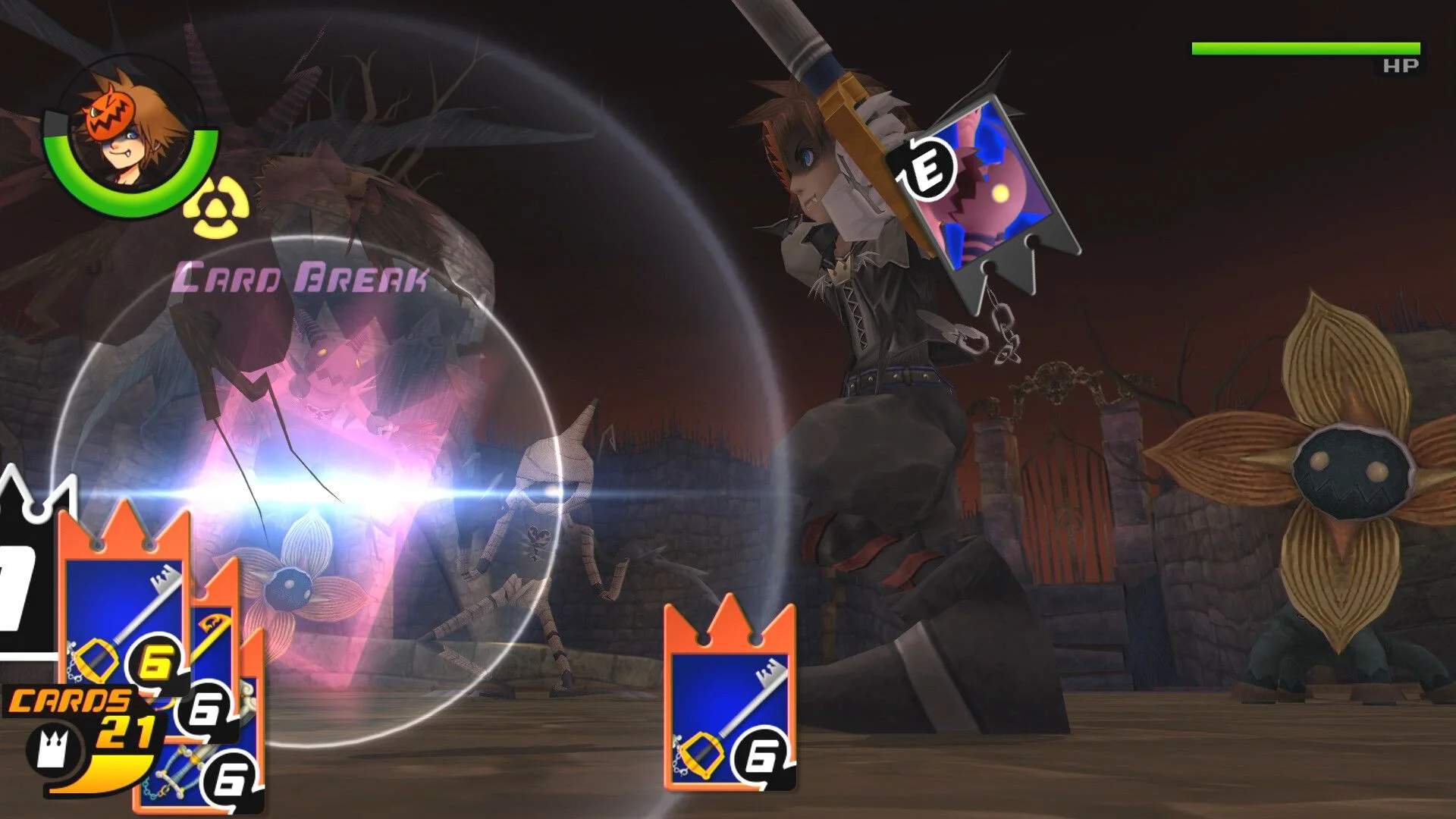
If you’ve never entered the Kingdom Hearts universe, starting with Kingdom Hearts I (or Kingdom Hearts Final Mix in this version) is a must. However, this title exhibits the unmistakable signs of its age, including cumbersome controls and camera issues. Yet, even after 24 years, the charm of the original game persists. It feels like a Disney venture exploring the RPG genre rather than just an RPG flaunting Disney characters. This distinctive charm is particularly striking for those raised on Disney’s 90s classics paired with the Final Fantasy aesthetic.
Locations like Traverse Town evoke nostalgia, mimicking aspects of Disneyland and capturing the attention of players with its quaint charm and inviting streets. Yoko Shimomura’s musical score elevates the experience, blending whimsy and memorability, serving the atmospheres throughout the series beautifully.
The combat in Kingdom Hearts Final Mix introduces players to its mechanics gradually. It starts simply, allowing players to forge combos with the basic attack button, evolving over time with new abilities, such as dodge rolls and magic, alongside character development options.
Kingdom Hearts II: Smoothening Out the Rough Edges
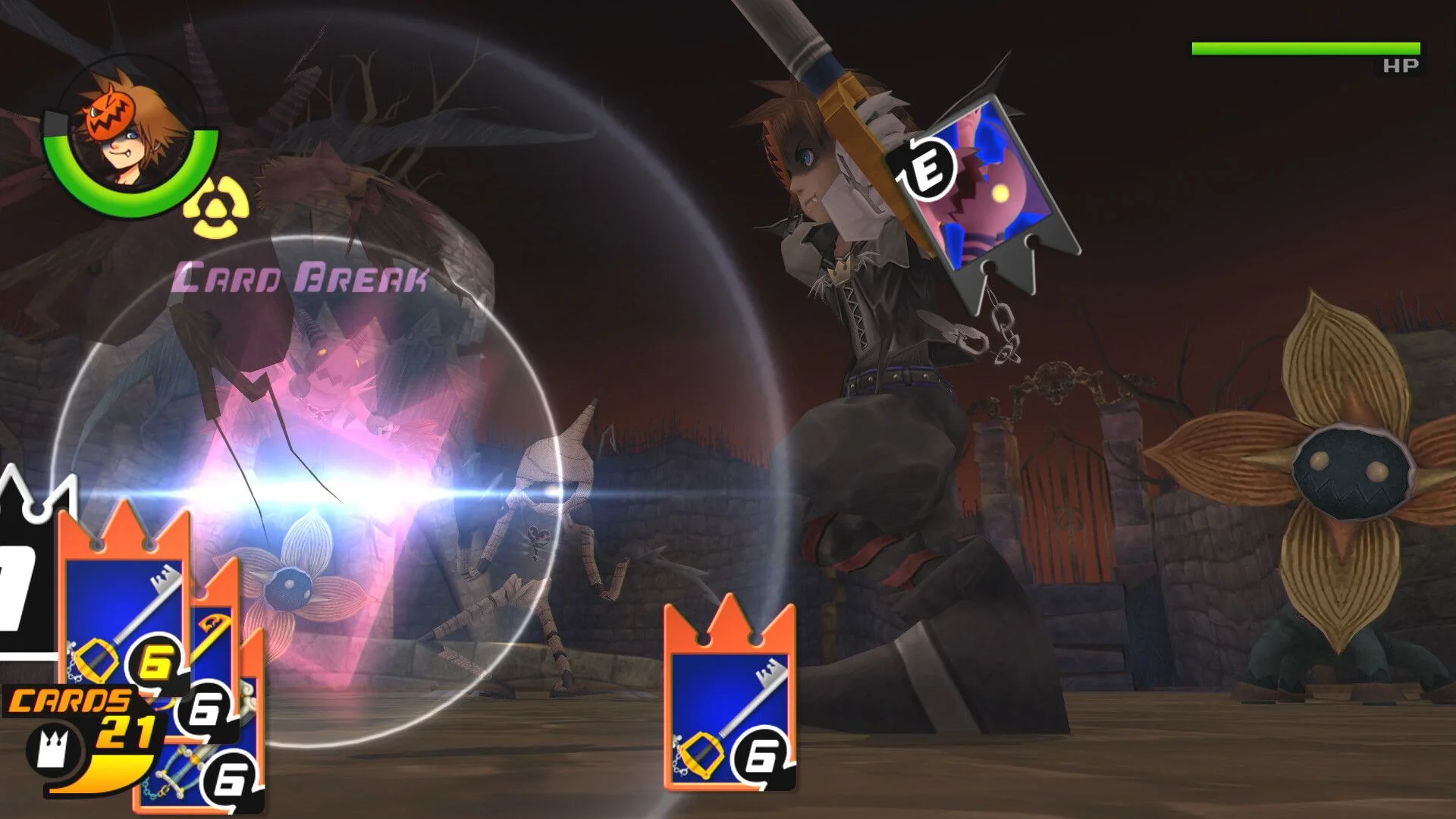
Progressing to Kingdom Hearts II Final Mix, players immediately notice improvements. Control responsiveness is heightened, animations are more fluid, and the environment is designed to enhance combat with fixed cameras and broader arenas. Fresh features like objective tracking and auto-refillable items streamline gameplay significantly, allowing combat to feel more dynamic and expressive.
However, pacing remains a concern; the introduction of new skills, particularly magic, arrives later than desired, and lengthy cutscenes can hinder the game’s momentum. While the early convoluted setup can feel overwhelming, once players move past this phase, the narrative begins to shine, enriching the journey through various movie-inspired worlds.
The graphical updates transform Kingdom Hearts II's visuals from the ps2 era into bright, vibrant landscapes that evoke a storybook atmosphere, beautifully marrying the old with the new.
The Expanding Universe: From Spin-offs to Kingdom Hearts III
Crammed between I and II are Re:Chain of Memories and 358/2 Days, with the latter relegated to cinematic clips, showcasing the franchise's callous treatment of significant lore. Following II, Re:coded hits the scene as another cutscene-only experience, while Birth By Sleep Final Mix introduces pivotal characters poised to shape the later storyline.
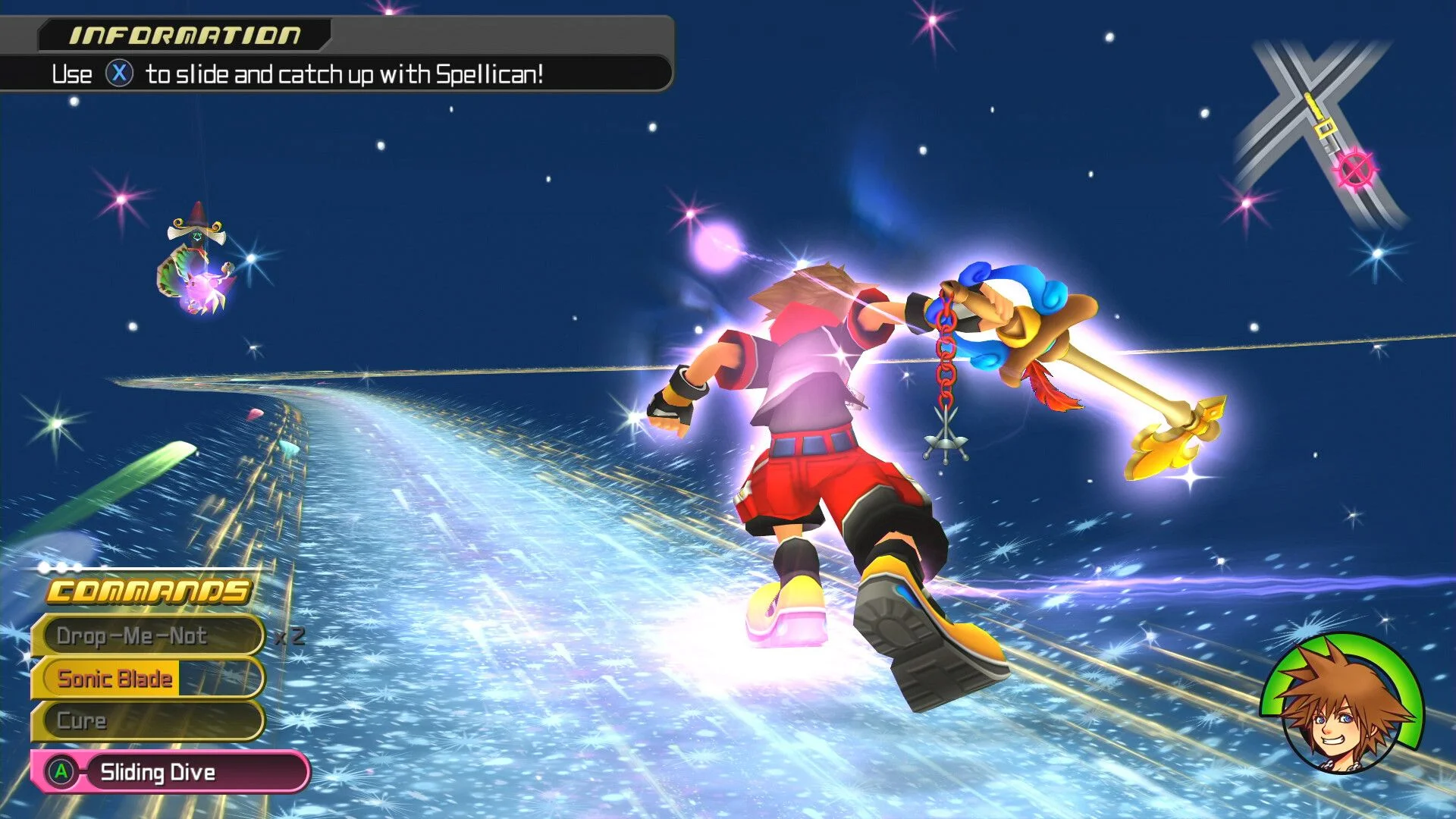
The transition to Kingdom Hearts III via 0.2 Birth by Sleep – A fragmentary passage introduces an expansive moveset that enhances aerial mobility within more vertically designed locations. Combat becomes immediately more engaging, allowing players to express creativity right from the start.
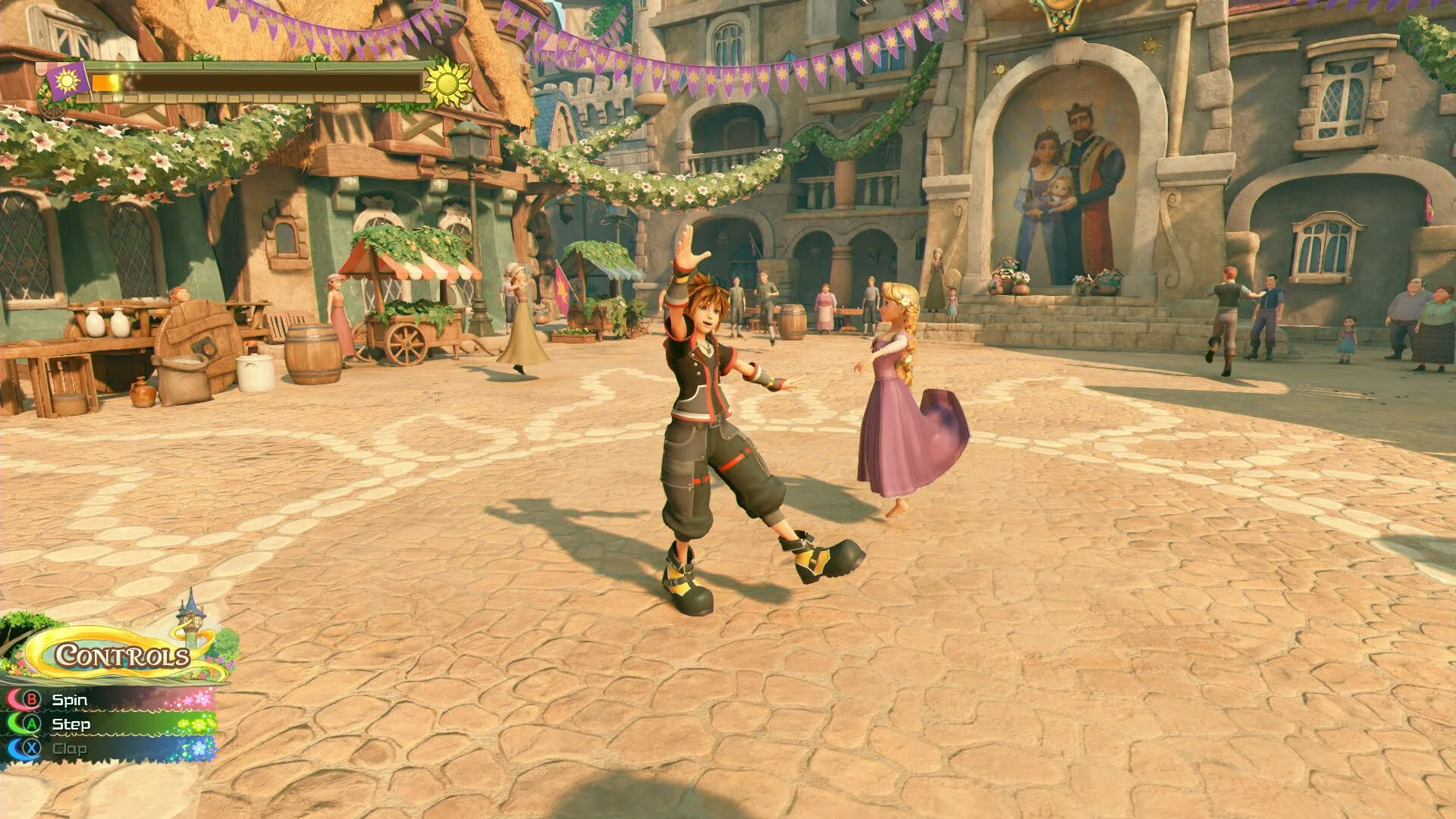
However, some essence of Disney that once permeated the earlier entries feels diluted here. Kingdom Hearts III, along with its Re Mind DLC, transforms the franchise into a high-paced cinematic experience, featuring jaw-dropping visuals and dramatic setpieces that command attention. Combat is chaotic yet approachable, keeping the foundational principles intact even as the scale of the battles escalates tremendously.
Thematic Resonance: Friendship and Identity
Evaluating the Kingdom Hearts Collection [I-III] raises a deeper question: do its themes still resonate? Once celebrated for their focus on friendship, identity, and memory, these narratives seem even more relevant in today's increasingly disconnected society. The series posits identity as adaptable, countering the notion of being permanently defined by past errors.
The enduring value of friendship, emphasized throughout the game, remains an attractive theme in a rapidly changing world. So, while the collection may not introduce new content, its emotional core persists. Beneath all its narrative complexity and gaming mechanics, the message remains clear: connection and understanding fend off the isolation fostered by modern technology.
This game was reviewed on PlayStation 5.

Discussion
Sign in to join the discussion.