NASCAR 26 captivates with its engaging driving dynamics and meticulous attention to detail, although it lacks distinctiveness across its different series.
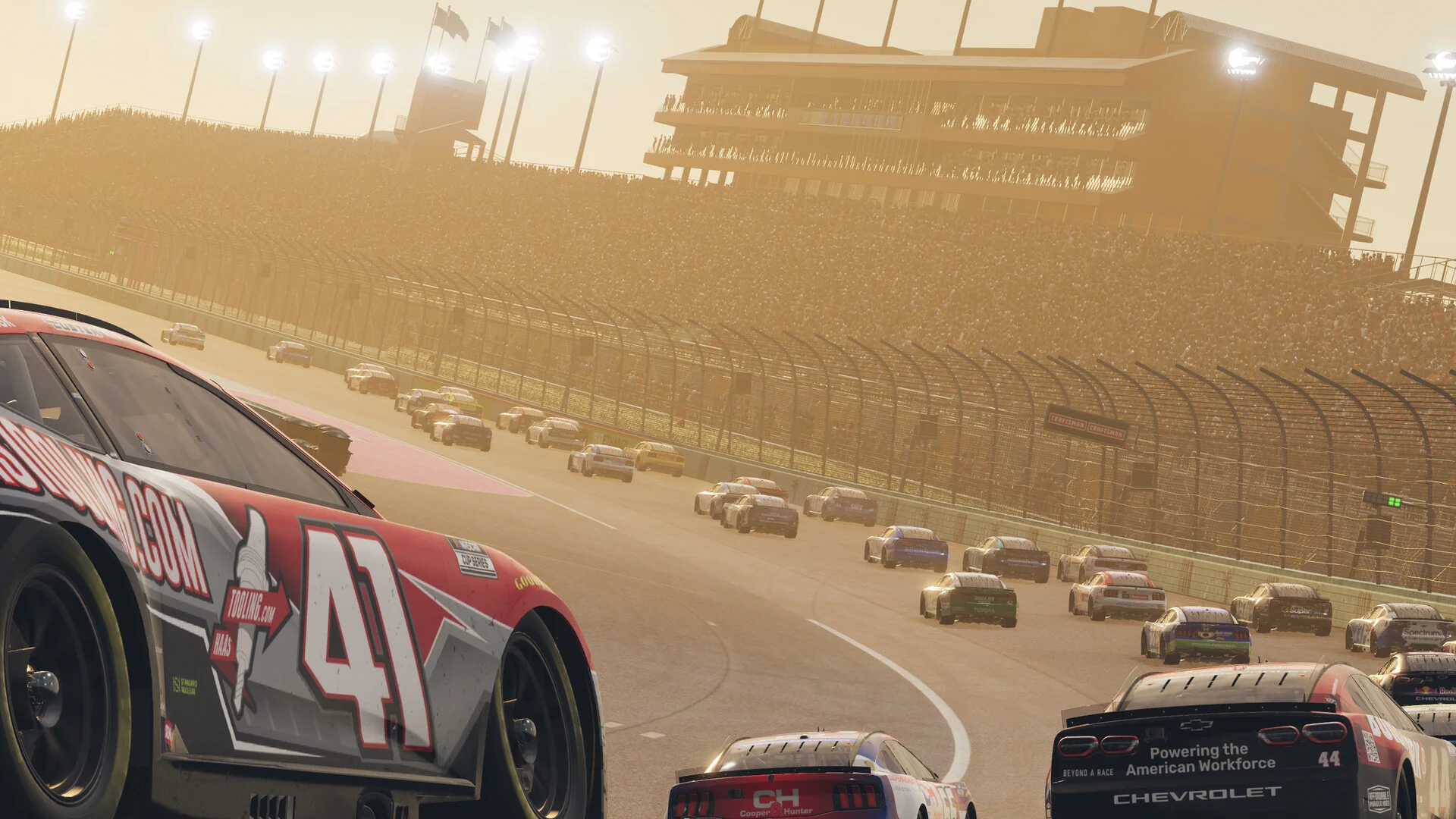
NASCAR 26 stands out in the racing genre with a focus on precision driving that demands players refine their skills while wielding hefty stock cars. These vehicles, unlike their lighter Formula 1 counterparts, require a unique approach to handling, especially as drivers navigate high-speed banked curves. iRacing Studios has crafted an experience that emphasizes not just speed, but the delicate balance of control and aggression essential for success on the track.
"The driving sensation in NASCAR 26 is the star."
The thrill of driving in NASCAR 26 is undeniably the highlight. Many players will appreciate how the game develops their ability to lock into a rhythm lap after lap, particularly on oval and tri-oval circuits. When I found my stride, the experience shifted from mere racing to a meditative pursuit, where the tension between steering, braking, and throttle felt like a well-choreographed dance.
However, achieving that state of flow is no easy task. NASCAR's round tracks expose even the slightest error, making every increment in performance subject to critical scrutiny. Minor mistakes—whether it's misjudging corner speed or over-torquing the brakes—can send you spiraling off track, underscoring the importance of smoothness and continuity in racing.
Improved Driving Mechanics and Calibration
The game’s enhanced tire model is a significant step forward, resulting from feedback and iteration over its predecessor, NASCAR 25. By doubling the tuning parameters and separating lateral and longitudinal forces, players can feel the nuanced reactions of their vehicles under various conditions. Nonetheless, I initially struggled with the responsiveness of my controller, as the default settings led to instability, particularly at high speeds. This forced me to recalibrate extensively for a more cohesive driving experience.
Fortunately, NASCAR 26 includes a detailed suite of calibration options—dead zones, steering sensitivity, and braking response can all be adjusted to fit individual preferences. After a significant amount of trial and error, I found a setup that reduced instability, allowing for a more authentic interaction with the weight and behavior of the car.
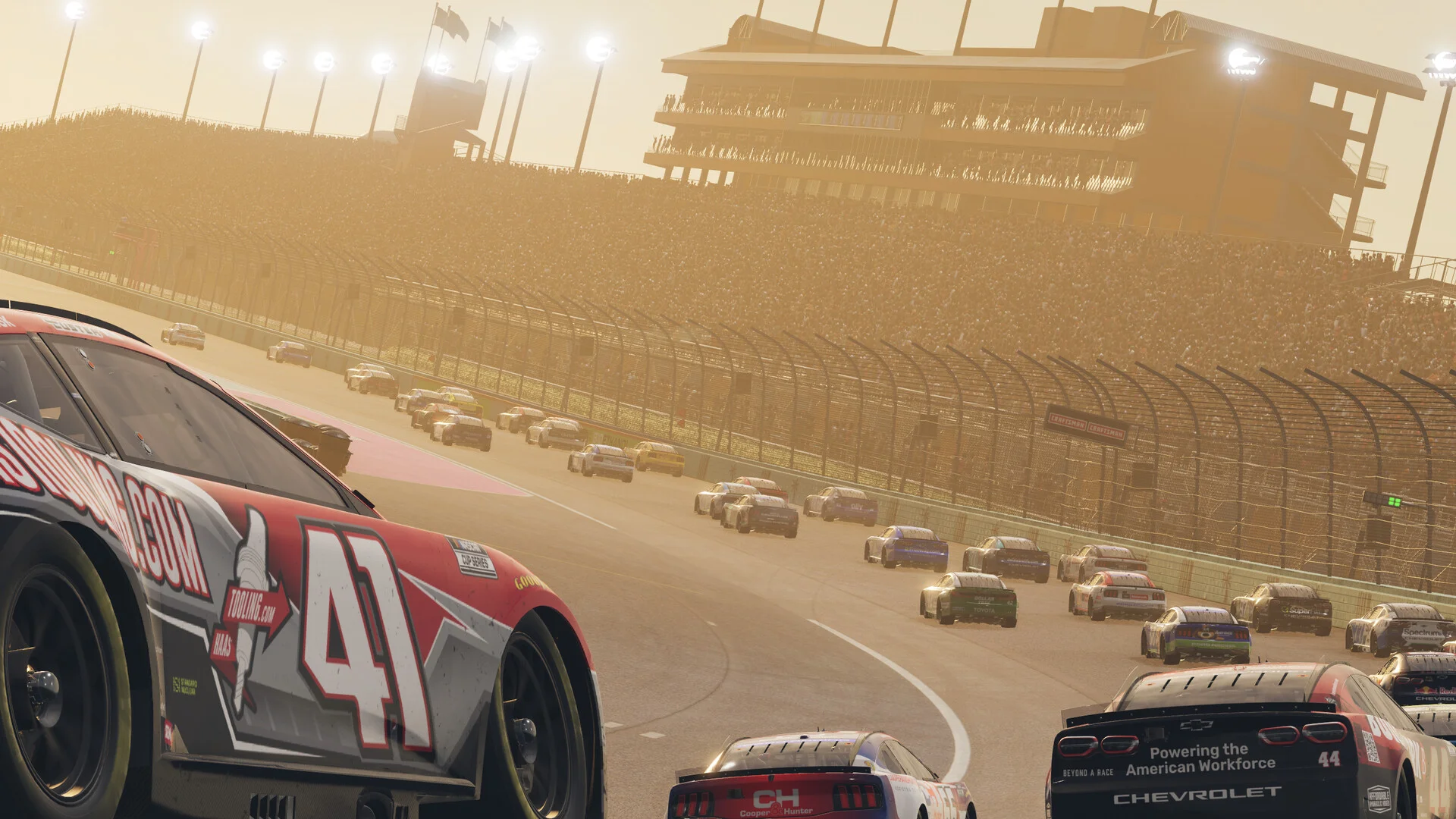
"NASCAR 26 ships with a suite of controller parameters, allowing you to adjust dead zones, steering non-linearity, speed sensitivity, damping, and braking response."
Vehicle Configuration and Race Authenticity
NASCAR 26 also offers a comprehensive vehicle setup system that allows for adjustments in spring rates, suspension settings, and more. However, the lack of guidance on how these adjustments affect performance can be frustrating. As a player with more traditional racing experience, I often found myself sticking to the default configurations rather than experimenting with adjustments that I didn’t fully understand.
On the authenticity front, NASCAR 26 makes strides in recreating the race weekend atmosphere, thanks in part to iRacing's long-standing relationship with the NASCAR brand. The game excels in its broadcast presentation and environment, infusing each race with a sense of realism. New visual effects, including dynamic lighting and improved particle effects, enrich the feel of the racing experience.
Another noteworthy feature is the Peak Performance training mode, where legends like Jamie McMurray guide players through crucial racing techniques, emphasizing points of reference for braking and acceleration on the track. This prepares newcomers well for the rigors of NASCAR racing.
Challenges on Road and Street Courses
However, the transition to road and street courses reveals some inconsistencies. While ovals benefit from the game's refined handling model, racing on circuits like Sonoma or Watkins Glen comes with challenges. Heavy stock cars feel unwieldy and poorly suited for the technical demands of street racing, leading to a less satisfying experience compared to oval racing.
Tire degradation has become increasingly critical in NASCAR 26. Players will find that as tires wear down, the performance of their cars can unearth strategic layers to pitting, balancing speed against tire wear becomes a key aspect of race strategy. Yet, the impact of these dynamics can feel uneven, especially in longer races where decisions to pit early or late can dictate the tide of performance.
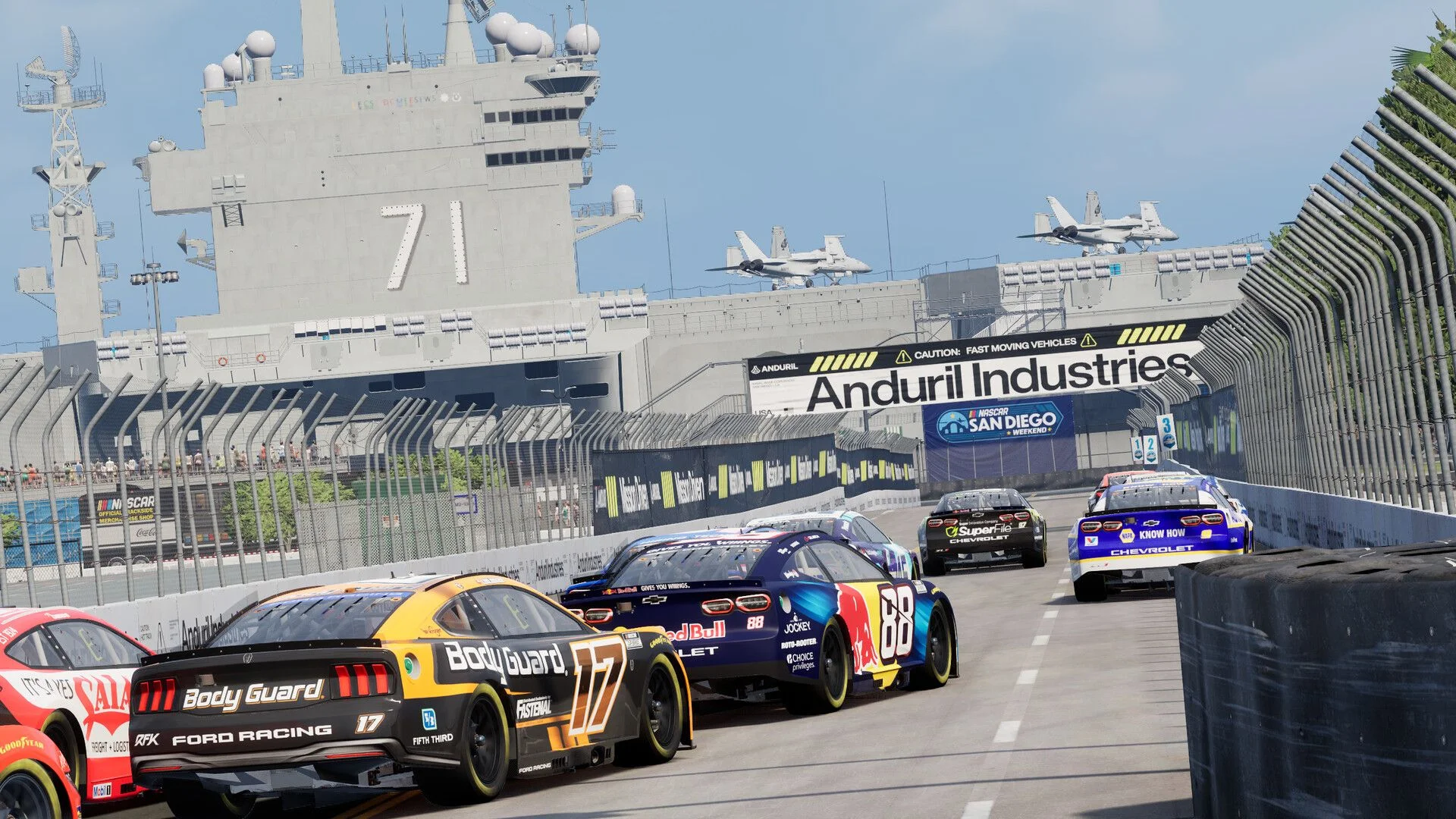
"The distinctions between NASCAR 26’s four series were hard to parse."
Career Progression and Game Modes
NASCAR 26 also features a career mode that begins at the ARCA level and allows players to ascend through different NASCAR tiers. Progress is tied to performance, unlocking sponsorship deals and funds for upgrades. This adds a layer of strategy; however, some players may find that the financial system requires careful balancing, particularly for those prone to mishaps on the track.
The game provides additional diversions through modes like The Chase, which offers a standalone postseason experience, and a paint kit for vehicle customizations. While options abound, they don’t significantly change the fundamental driving experience.
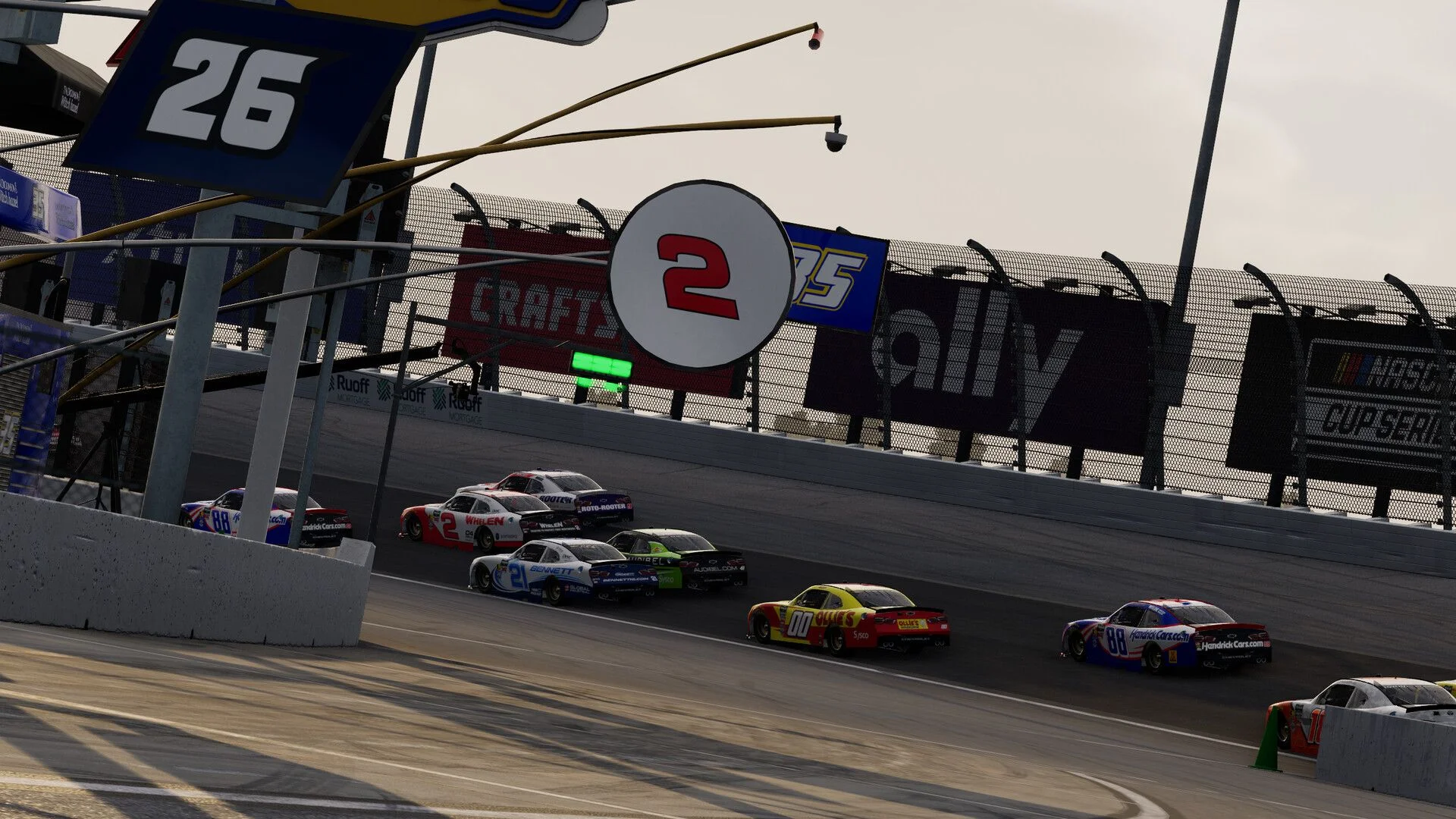
"Outside Career, NASCAR 26 offers a modest selection of ways to experience its racing."
Ultimately, NASCAR 26 exceeded my expectations. While I anticipated a repetitive experience focusing solely on oval racing, I found depth in striving for precision. The satisfaction of iterating lap times and refining driving techniques can be addictively rewarding.
That said, the game does have its limitations. Desires for a more impactful Dynamic Track and clearer distinctions among racing series linger. Despite the obstacles, NASCAR 26 offers a rich understanding of what makes stock car racing appealing—it's a journey in patience, skill, and the pursuit of continuous improvement.
This game was reviewed on PlayStation 5.


Discussion
Sign in to join the discussion.