The Razer Prio merges portable design with expansive gaming options, positioning itself as a competitor in the mobile controller market.
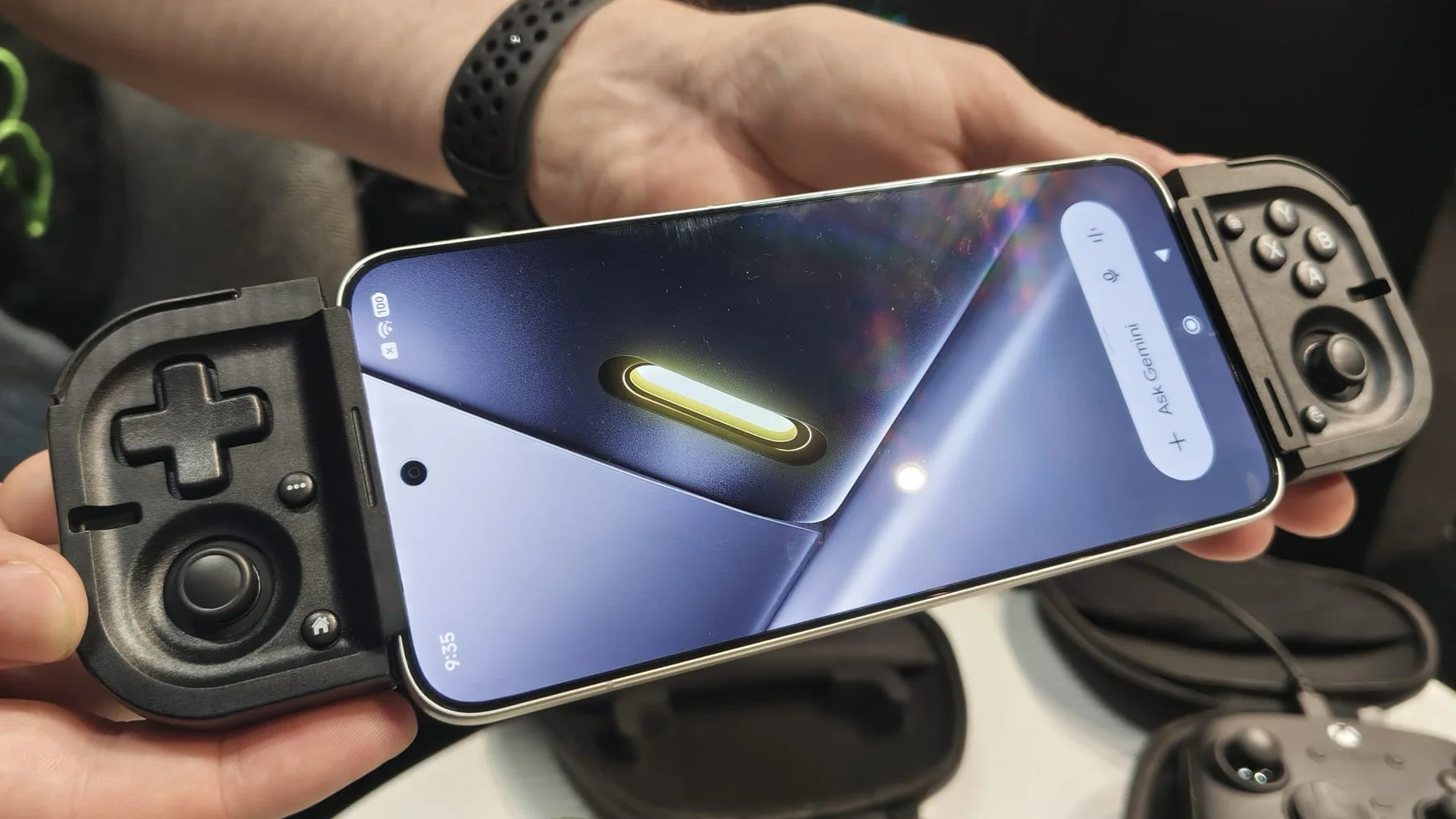
In the competitive arena of mobile gaming peripherals, the Razer Prio stands out with its ultra-compact design aimed at enhancing portability without sacrificing functionality. I recently encountered this new controller at Gamescom, and its diminutive dimensions immediately caught my eye. Mobile gaming is booming, and devices like the Razer Prio cater to a diverse range of consumers who want flexibility without the bulk typically associated with traditional controllers.
Design and Build Quality
The Razer Prio is designed with a surprising level of versatility. By default, it's palm-sized—measuring just 107mm x 67mm x 23mm—and weighs only 101 grams, which makes it easy to slip into a pocket without feeling bulky. This ultra-compact design taps into a growing trend where portability is prioritized, especially for gamers on the go. As mobile devices clutter our lives, a lightweight, easy-to-carry gaming solution is increasingly appealing.
Once opened, it can accommodate Android and iOS smartphones up to seven inches, including popular models like the iPhone 17 Pro Max and the Samsung Galaxy S26 Ultra. This adaptability is significant in a climate where smartphone sizes can vary dramatically. For reference, my Nothing Phone (4a) Pro, at 6.7 inches, fits snugly even with a case on. Razer has thoughtfully included non-slip grips that can be added for a more secure fit, enhancing the overall user experience by ensuring that the device remains stable in varying conditions.
Adapting to the controller’s twist-to-open mechanism takes a moment; Razer's PR specialist, Nick Haywood, offers a simple analogy: "Think of it like changing batteries in a TV remote." This feature is practical yet intuitive, which is often overlooked in other controllers cluttered with complex setups or fiddly parts. A simple interface can be particularly inviting for casual gamers who might find traditional gaming controllers daunting.
Functionality and Comfort
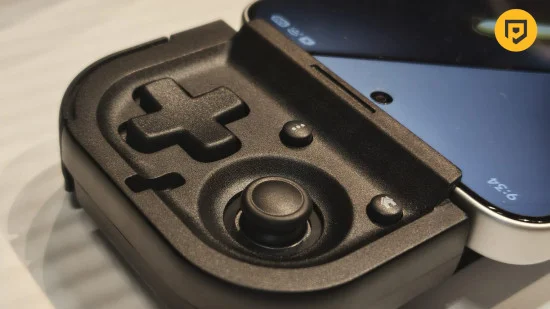
The Prio's buttons are notably quiet—a feature that will appeal to those who play in public or shared spaces. Silent operation can dramatically enhance the social aspects of gaming, allowing for immersive play without bothering those around. In cafés, public transport, or quiet rooms, this feature stands out. However, the inclusion of capacitive thumbsticks is meant to minimize drift, although they do feel slightly smaller than optimal for extended gaming sessions. What this means for you is that while precision might be enhanced, you could sacrifice comfort during lengthy gameplay sessions. I have reservations about potential discomfort when using the controller over long periods, something I need to assess during practical testing.
Despite its lightweight construction, the Prio feels solid, capturing the quality associated with Razer products. This balance between weight and build is significant; after all, many gaming peripherals often tip the scales too heavily, resulting in fatigue during long gaming sessions. The solidity of the Prio might comfort users looking for durability combined with portability.
Gaming Experience and Compatibility
Razer has positioned itself as a leader in the gaming accessory market, and the Prio fits neatly into this collection. The low-latency USB-C connection enhances gameplay quality, a critical point for serious gamers who know even milliseconds count in competitive play. That said, the real strength of the Prio may lie in its compatibility with the Razer Cortex app, creating a centralized hub for gamers. Much like the Backbone app, it supports a range of services from Xbox Cloud Gaming to PS Remote Play. This versatility could draw in users who enjoy a multi-platform experience and are seeking to optimize their gaming through a singular interface.
It’s also worth exploring how this app integration might influence user engagement and competitive play. Gamers familiar with other ecosystems might appreciate the ability to switch platforms seamlessly, but the Koefficient level of performance across different applications remains to be proven.
Pricing and Market Position
This new addition to Razer's accessory range looks promising on the surface. Priced at $99.99/£99.99, it will gradually be available at various retailers worldwide. In a sector where products can spike into hundreds of dollars, the pricing seems strategic and accessible, potentially attracting a wider audience. Those seeking a larger alternative can explore the Razer Kishi V3 Pro, though it’s important to remember that this option sacrifices some portability.
Implications and Future Outlook
The Razer Prio may be more significant than it looks, signaling an important shift in mobile gaming peripherals. With the rise of mobile gaming—not just as a pastime but a serious segment of the gaming market—devices like the Prio could redefine our expectations of gaming accessories. As gamers demand portable, functional solutions, Razer could set a benchmark that others will need to match. The patterns in consumer behavior indicate that the appetite for quality peripherals remains strong, particularly among younger players looking to elevate their experience beyond conventional gaming setups.
Keep up with the latest in gaming hardware by joining us on the Pocket Tactics Discord. The Prio may just be the start of what could be a new wave in mobile gaming accessories, and those who are engaged in the space would be wise to watch how this product evolves and is received by its users.



Discussion
Sign in to join the discussion.