Ananta offers an intriguing new take on urban RPGs, prioritizing fair monetization and character accessibility while sparking interest with its unique designs.
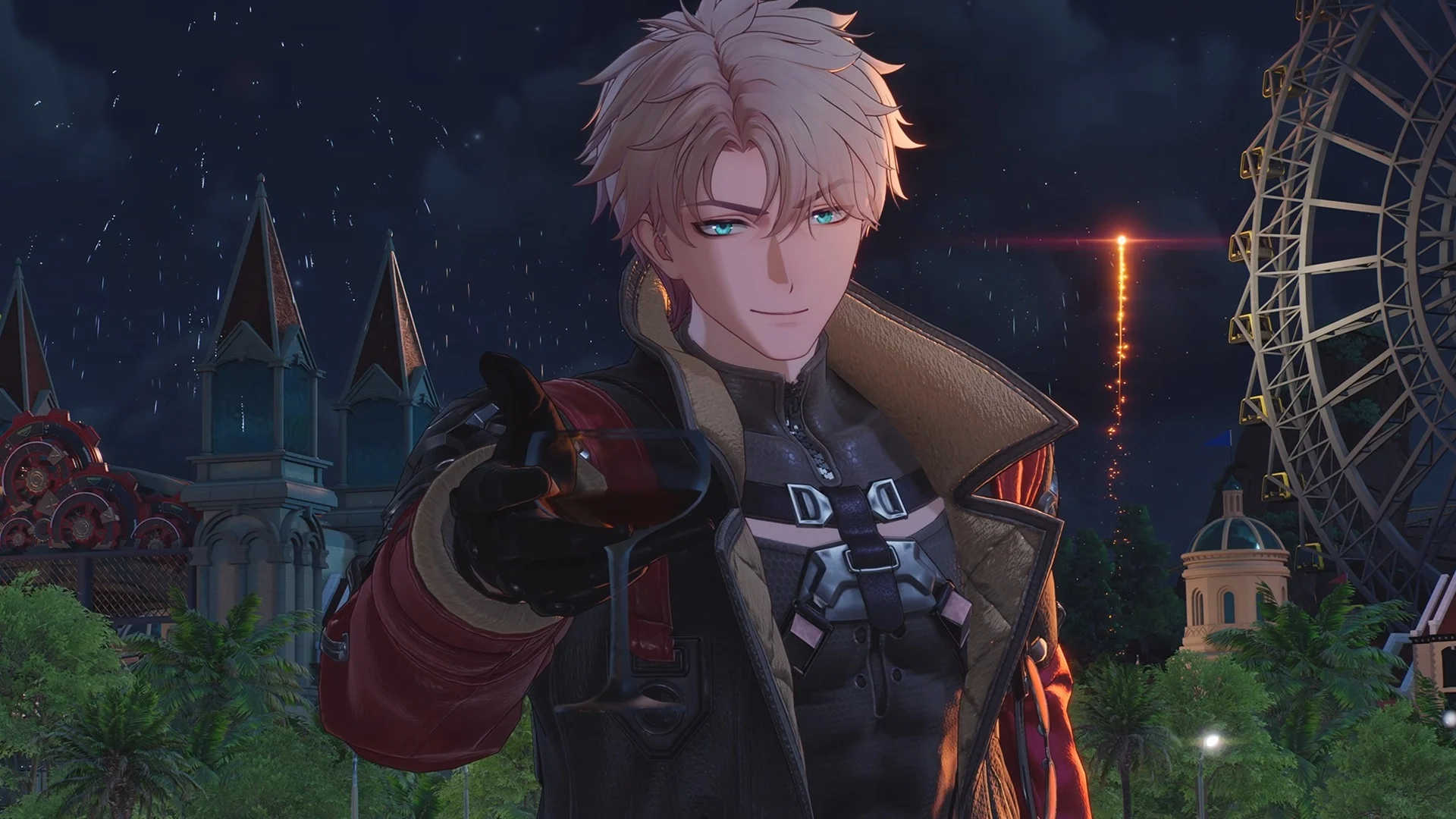
Ananta's Unique Approach
Since its unveiling in 2023 as Project Mugen, Ananta has emerged as a noteworthy addition to the urban RPG genre, captivating gamers with its distinct style. Unlike typical gacha games that dominate a crowded market, Ananta distinguishes itself through fairer monetization strategies, allowing players to unlock characters solely through gameplay rather than microtransactions. This move is significant; many in the gaming community have expressed frustration over pervasive paywalls in gacha titles, which tends to limit access to characters unless players are willing to spend real money.
The gacha system, originating from Japan, often encourages frequent spending. While some gamers accept this model as part of the experience, others feel it creates unequal playing fields. Ananta’s approach takes a different stance: what if players could earn every character through time investment rather than financial expenditure? This not only levels the playing field but also fosters a community more engaged with the gameplay, as players find joy in developing skills to access the full roster of characters. The potential implications of this shift in player experience could inspire other developers to rethink their monetization models as well.
Insights from the Development Team
At Gamescom last week, I had the chance to speak with Link, the Global Publishing Lead for Ananta, and Rain, the International Marketing Lead. They were eager to discuss how Ananta positions itself within the competitive gaming space. Their commitment to character accessibility could redefine player engagement in RPGs. The game's development team seems acutely aware of industry trends. They recognize that gamers are increasingly vocal about their dislike for aggressive monetization tactics, which puts Ananta in a favorable light as it steps away from traditional models.
Link and Rain emphasized that their team actively engages with players to gather feedback. This is how they shape the game, allowing for continuous improvement based on community input. By fostering this relationship, Ananta may create a dedicated fanbase that feels personally invested in the game’s evolution. It’s a tactic that builds not just a player base, but a community. That said, the challenge remains in maintaining this engagement over the long term. Many games launch with good intentions but falter when it comes to execution and sustained attention from developers. Will Ananta stay agile enough to adapt in the years to come?
A Focus on Character Appeal
In our conversation, I made sure to ask about character design—an essential aspect of any RPG. Inside Ananta, it seems the team put considerable thought into creating appealing characters. Characters are the heart of any role-playing game, and a diverse array can significantly enrich player experience. From unique stories to visually stunning designs, what players are drawn to often influences their engagement with the game, determining how long they’ll stick around.
If you're wondering whether there are some striking characters to connect with, the enthusiasm in their responses hinted that players would not be disappointed. The development team mentioned their inspiration sources, which seem to lean heavily on cultural narratives and rich storytelling. This aspect could set Ananta apart in an overcrowded market filled with similar archetypes. Memorable characters often resonate with players, establishing emotional ties that encourage ongoing play. The characters serve not merely as avatars but as vessels for personal stories and experiences, which becomes particularly significant in a genre that thrives on character development.
Let’s consider how character development has worked in other RPGs. Many successful titles have created multi-dimensional characters that players feel attached to, sometimes even to an obsessive degree. Take, for instance, popular franchises that have built entire communities around beloved characters. In Ananta's case, there's ample opportunity to evoke such dedication if the characters resonate as intended. The power of storytelling cannot be underestimated; when players feel connected, they’re more likely to advocate for the game and remain loyal customers, even as new titles compete for their attention.
Implications for the Gaming Industry
The implications of Ananta's model are exciting, potentially signaling a shift in how RPGs are developed and monetized. The success of accessible character acquisition through gameplay could prompt more developers to reconsider their strategies, especially in the lucrative gacha market. If Ananta thrives, it could inspire a trend where developers as a whole start to cater more to their audiences — providing value and respect for the time players invest.
However, it would be shortsighted to believe that this will happen overnight. Skepticism remains, especially regarding whether many established titles will abandon familiar revenue models for this player-first approach. After all, in a market driven by profit, adapting to a model that requires more patience and long-term commitment can be a tough sell. If Ananta succeeds, it might not be a silver bullet solution for the industry, but it could pave the way for a new dialogue surrounding monetization, player engagement, and community building.
What this means for you, the player or developer, is clear: Ananta sets a precedent. Should they prove that a game can be both financially viable and focused on player enjoyment, the ripple effect could influence how future games are designed and marketed. The gaming community's reaction will be telling. As players actively push back against exploitative practices, the momentum toward this new model could very well shift industry standards.



Discussion
Sign in to join the discussion.