Retroid's Pocket Duo features impressive dual 120Hz OLED displays, aiming to compete with rivals like AYN Thor and offer unique advantages.
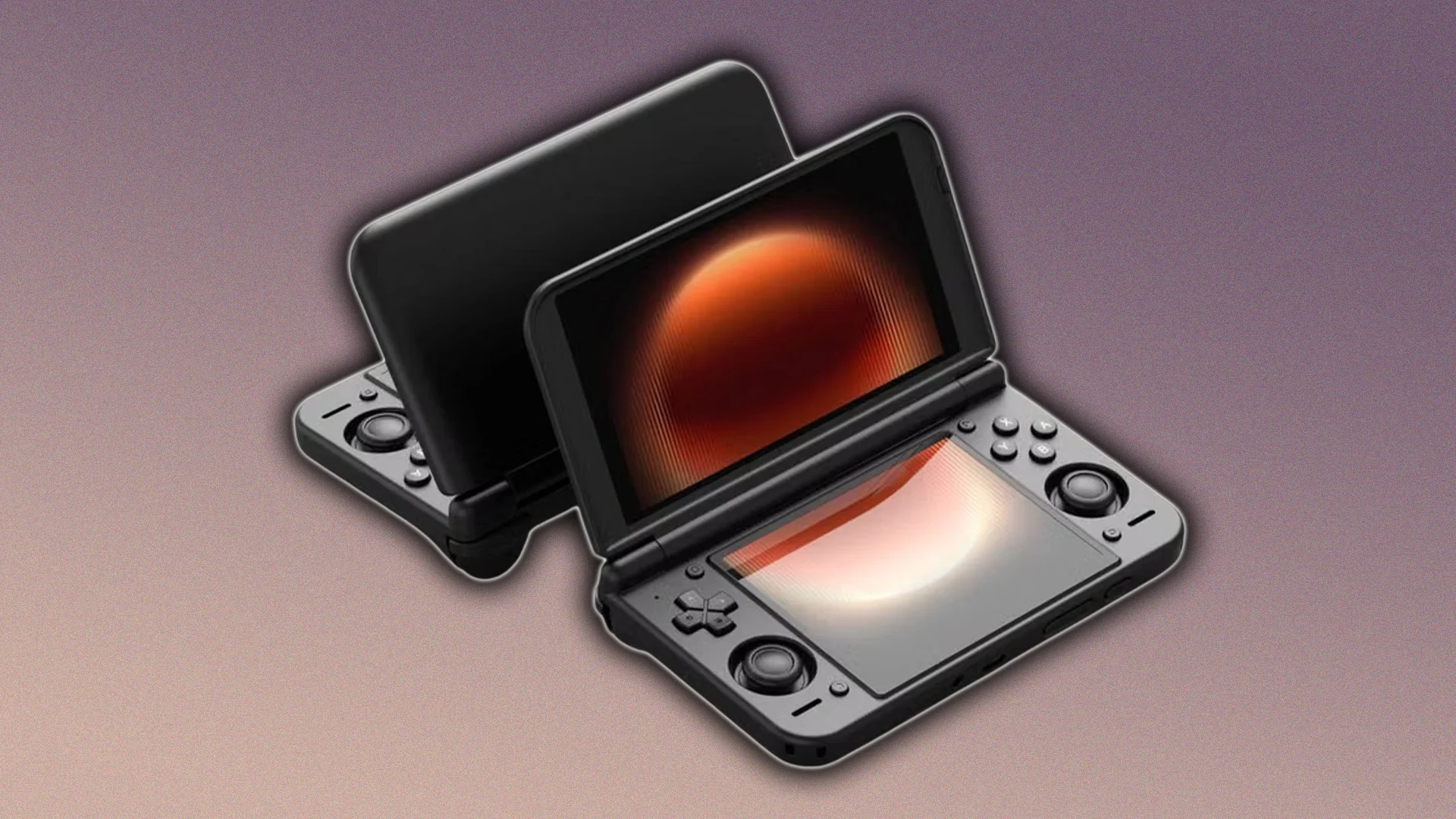
Retroid is making strides in the compact handheld gaming market with its latest offering, the Retroid Pocket Duo, designed for retro gaming enthusiasts who value portability. This device represents a continuation of Retroid's commitment to revamping classic gaming formats with modern technology. With a nod to the classic dual-screen design reminiscent of the Nintendo DS, Retroid promises an intriguing combination of visual quality and usability. Dual screens have always been a point of interest for gamers seeking to recreate that nostalgic feel. It's more than just a design choice; it's a way to connect the past with present gaming trends.
Technical Specs and Design Choices
The Pocket Duo will feature dual 120Hz OLED screens, with a 4:3 aspect ratio on the bottom and a 16:9 ratio on top. This configuration not only enhances visual performance but also caters to users who prefer a D-pad-centric layout over the asymmetric joystick designs seen in devices like the AYN Thor. OLED screens are known for their vibrant colors and deep blacks, making this a smart move for a device targeting retro gaming, where graphical fidelity can significantly enhance user experience. Gaming nostalgia is not just about the titles; it's about transporting users into an immersive environment, and the visual quality can make or break that immersion.
Market Positioning and Competition
While the sleek aesthetics of the Pocket Duo stand out, certain critical details remain elusive. Retroid has not yet disclosed a price for the device, leaving potential buyers guessing. In contrast, the AYN Thor's seventh pre-order batch is priced at $259, which sets a sort of market benchmark for similar products. If Retroid can offer a competitive price while maintaining quality, it might succeed in carving out a significant share of the handheld market. Price sensitivity is essential here. Gamers often weigh value heavily against features and performance, so a well-calculated price could make Retroid a preferred choice.
Performance and Operational Concerns
The Pocket Duo's dual OLED technology isn't entirely unique; AYN Thor provides a similar setup. However, AYN's device only features 120Hz on its primary screen, while the secondary one is limited to 60Hz. If Retroid manages to deliver 120Hz on both displays as advertised, this could offer a distinct advantage on paper. And yet, questions linger regarding the Pocket Duo's internals—processor, RAM, battery, and storage specifications are still under wraps, complicating any direct comparisons to existing competitors. Without clear benchmarks or performance specs, consumers will face a challenge in determining how well this new hardware stacks up against the likes of the AYN and Anbernic products.
Alternative Options for Gamers
In contrast, the Anbernic RG DS provides a more budget-friendly option, focused on replicating the nostalgic Nintendo DS experience with a 4-inch 640 x 480 IPS screen, a capacitive stylus, and a modest RK3568 chipset. Such options can easily sway budget-conscious gamers who may not be as focused on specs but are drawn instead by nostalgic design. Retroid has experience in this niche, as evidenced by the earlier Retroid Pocket Flip, which also sought to evoke the spirit of dual-screen handhelds. There’s a market for both high-end and budget devices, but as pricing remains uncertain for the Pocket Duo, its target demographic remains speculative.
Design Appeal and Future Considerations
If Retroid can infuse the Pocket Duo with stylish design choices—echoing its vibrant colorways from the Retroid Pocket Flip—and combine this with a capable Snapdragon processor, it has the potential to become a noteworthy player in the market for dual-screen handhelds. Build quality and design aren't secondary considerations. Gamers want devices that don’t just perform well but also look good while doing it. The aesthetic appeal can make an enormous difference, especially in a crowded market where product differentiation is a constant challenge.
Implications and Future Outlook
As the pocket gaming market continues to grow, the significance of devices like the Retroid Pocket Duo often extends beyond mere sales figures. The introduction of a dual-screen design reflects a deeper trend: a yearning for the old-school gaming experience delivered through modern tech capabilities. If Retroid manages to carve out a niche with this model, it could set a precedent for upcoming generations of handhelds that wish to evoke the past while catering to contemporary needs. What this means for you, whether you’re a gamer or a tech enthusiast, is that the competition in this space will likely heat up. Enhanced capabilities might push other manufacturers to rethink their product offerings as well.
Ultimately, the success of the Pocket Duo hinges on its ability to deliver on its promises. Gamers aren’t just looking for flashy specs; they want real, tangible performance along with trusted quality. It's a tall order in a competitive market. So, while the innovative spirit is commendable, how Retroid follows through on these concepts will determine if the Pocket Duo becomes a beloved handheld or just another contender lost in the shuffle.


Discussion
Sign in to join the discussion.