The long-awaited The Legend of Zelda movie, directed by Wes Ball, is set for a theatrical release with key figures from the gaming world involved.
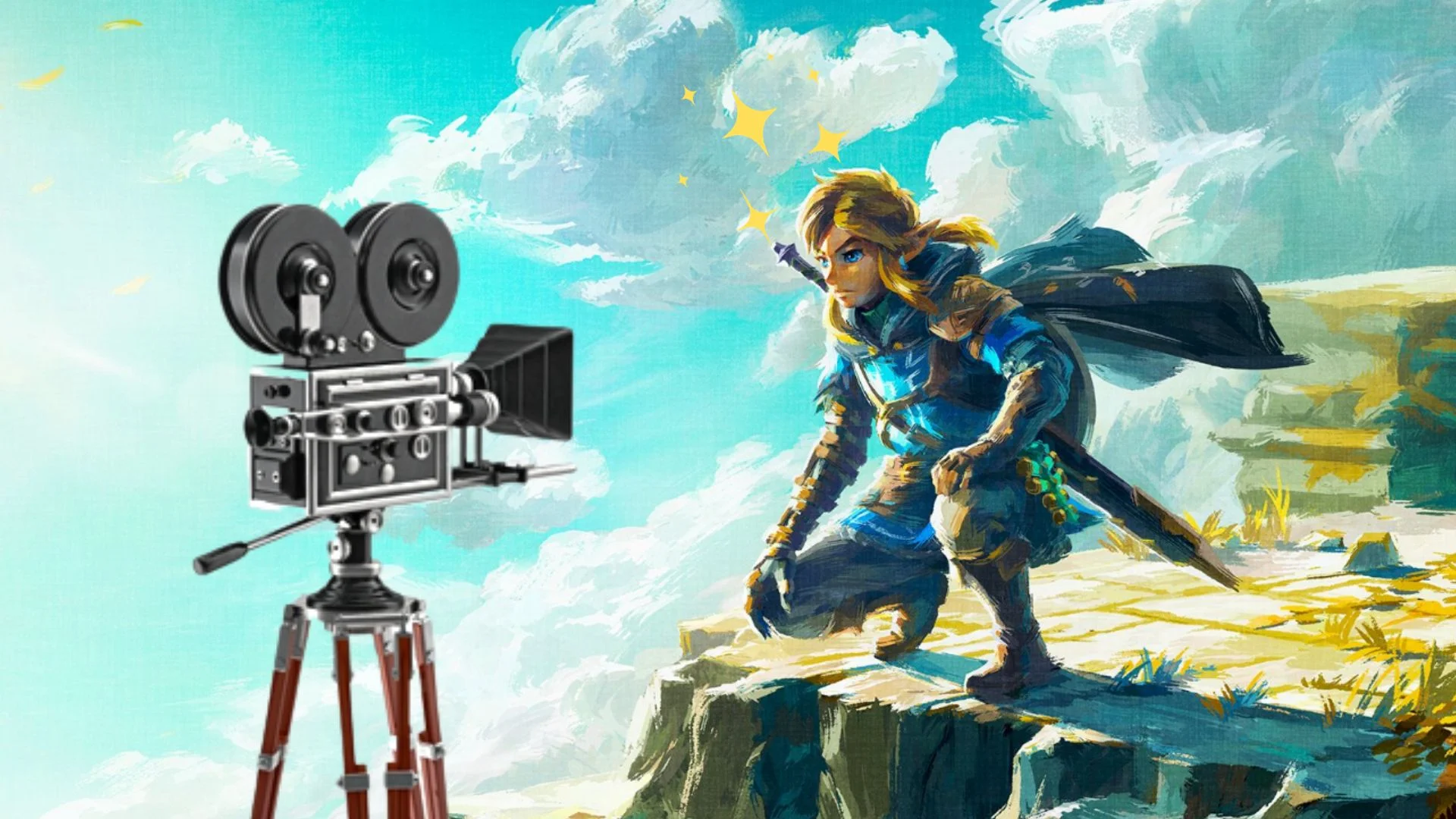
Release Date Announcement
The anticipation surrounding The Legend of Zelda movie has finally culminated in a release date after three years of speculation. Fans are eager to see how this beloved franchise transitions to the big screen. The long-standing success of the franchise—spanning decades and multiple console generations—has created a massive fanbase eager to witness the adventures of Link and Princess Zelda in a new format. But the transition from gameplay to narrative cinema is fraught with challenges. Adapting a rich, interactive world into a linear storytelling medium often raises concerns about fidelity to the source material and the possibility of alienating fans.
Creative Team
At the helm of this project is director Wes Ball, celebrated for his work on The Maze Runner series and Kingdom of the Planet of the Apes. Significant contributors to the script include Shigeru Miyamoto, alongside Takashi Tezuka and Derek Connolly, promising a film that's faithful to its source material. Having Miyamoto—one of the original creators of the game series—actively involved in the creative process is a sign that the film might retain the essence and charm that fans have cherished for years. It isn’t unusual for gaming adaptations to lean towards Hollywood tropes that can overshadow the original narrative. This involvement could be vital in avoiding common pitfalls, especially given past adaptations that have widely been criticized for straying too far from the source material.
Production Insights
Producers Shigeru Miyamoto and Avi Arad, known for his influential role in the Spider-Man films and upcoming Borderlands project, are aiming for a high-quality production. Many fans have speculated about a Studio Ghibli-inspired approach, but a well-executed live-action adaptation could captivate audiences just as effectively. What’s intriguing is the collective experience of the production team. While Arad brings a wealth of experience from the superhero genre, Miyamoto’s deep connection to the Zelda series ensures the film remains true to its roots. The collaboration might just strike the right balance between cinematic quality and franchise authenticity.
Expectations
With Miyamoto's active involvement, the vision is clear: to deliver entertainment that resonates with fans and newcomers alike. As we await the movie, hopes are riding high for a faithful adaptation that brings the magic of Hyrule to life. This isn’t just about capturing action sequences; it’s about translating the emotional depth and rich lore that make The Legend of Zelda memorable. Renowned for its storytelling, intricate puzzles, and immersive world-building, the challenge lies in recreating this feeling on the big screen.
Industry Context and Comparable Cases
The adaptation of video games into movies isn’t new, and the history of such endeavors has been mixed at best. Critical failures like Super Mario Bros. and more recent disappointments such as Monster Hunter highlight how tough it can be for filmmakers to hit the right notes when dealing with beloved franchises. However, successful adaptations, such as those seen in the Detective Pikachu film or Netflix's Castlevania series, provide a glimmer of hope. These projects demonstrate that when creators take care to understand and embrace the source material, they can achieve success that resonates with both fans and wider audiences. This existing context makes the film's production team choices (including Arad and Miyamoto) even more significant because they add credibility to the process and temper potential fan apprehension.
Visual and Artistic Direction
Visual representation will play a pivotal role in how the film is received. If the visuals don’t capture the enchanting landscapes of Hyrule or the unique character designs, the film could struggle to connect with its audience. The vibrant colors, whimsical design, and rich textures of the game series are beloved aspects fans hope to see translated onto the screen. If you're working in this space, consider that the visual storytelling must match the narrative depth; it's not merely about creating an entertaining film, but one that feels authentic to its gaming origins. The visuals are where high expectations will meet the scrutiny of fan perspectives. The success of franchises like The Lord of the Rings demonstrates the power of visual storytelling, providing a framework for what fans might expect.
Implications for Future Adaptations
The impending release of The Legend of Zelda movie could set a significant precedent for future game adaptations if executed well. A successful movie might embolden studios to invest more heavily in adapting other video game franchises, which could lead to a richer variety of storytelling on screens globally. Conversely, a subpar effort could lead to even more skepticism regarding the viability of video games as worthy cinematic material. This is more significant than it looks; the outcome here may reshape decisions on funding and producing adaptations for years to come. The 'curse' of video game films is a narrative industry stakeholders are desperate to break. The implication reaches beyond just this film; what this means for you, as a consumer or an industry player, is that the stakes have never been higher.
In summary, while the excitement mounts toward the release, the pressure is also palpable. High expectations and the weight of a legacy loom large. As fans and critics alike await this film, the journey to the screen will be watched closely, hoping it won't be another example of how video games don’t transition well to films.

Discussion
Sign in to join the discussion.