Best Electric Cars · EVCar Data Desk
BMW 550e vs Volvo EX90: EPA Range and Recall Insights for 2027
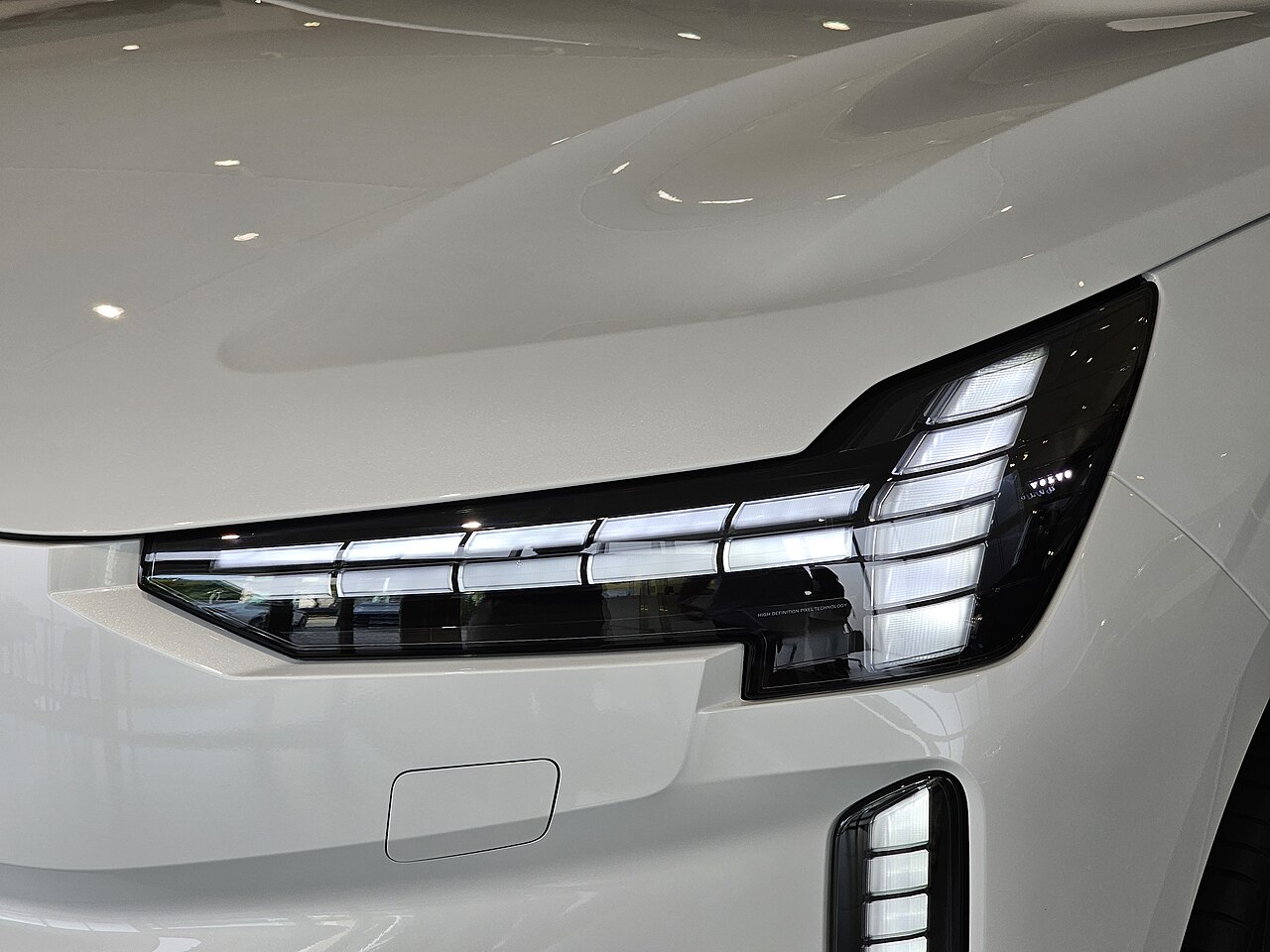
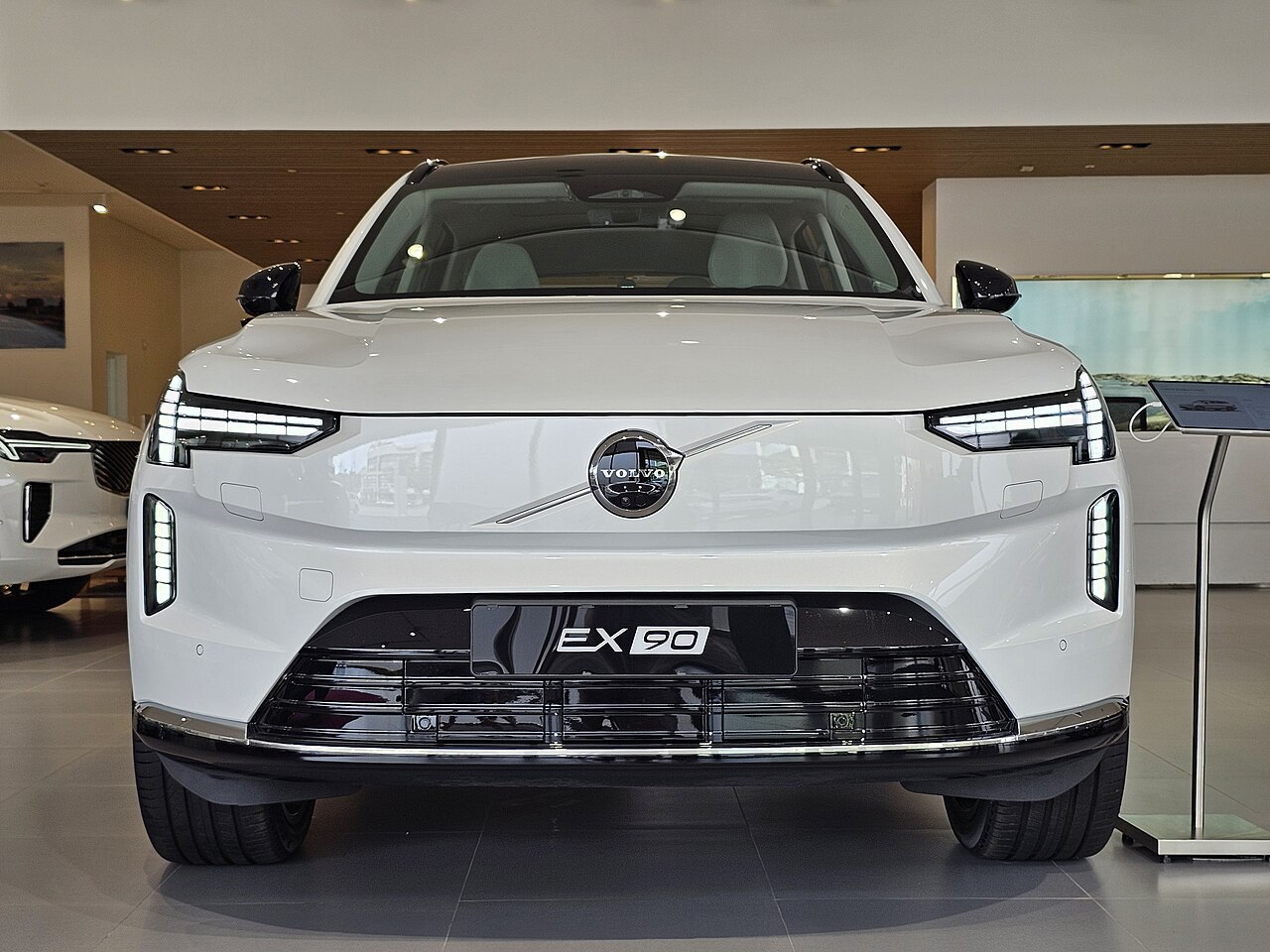
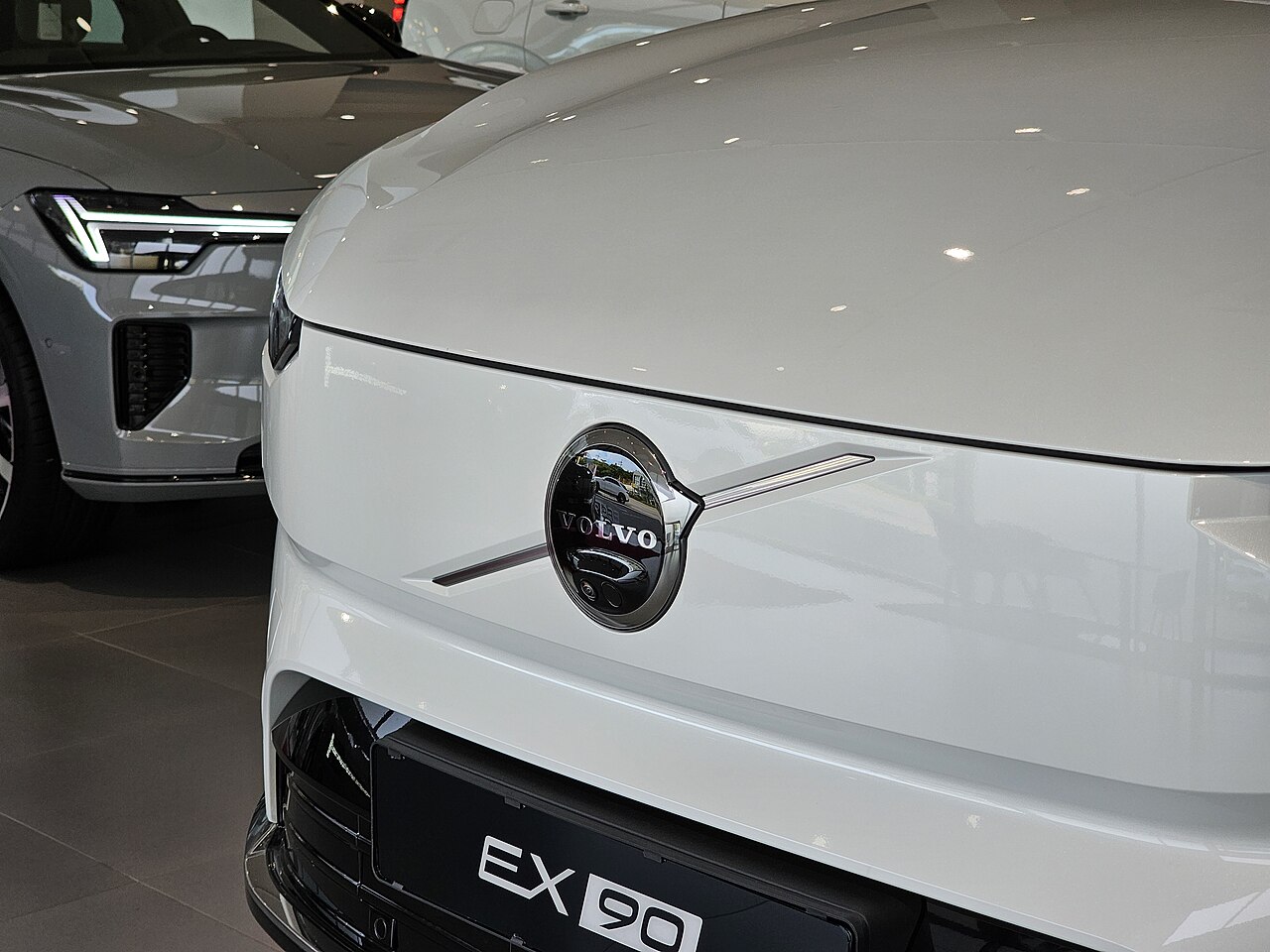
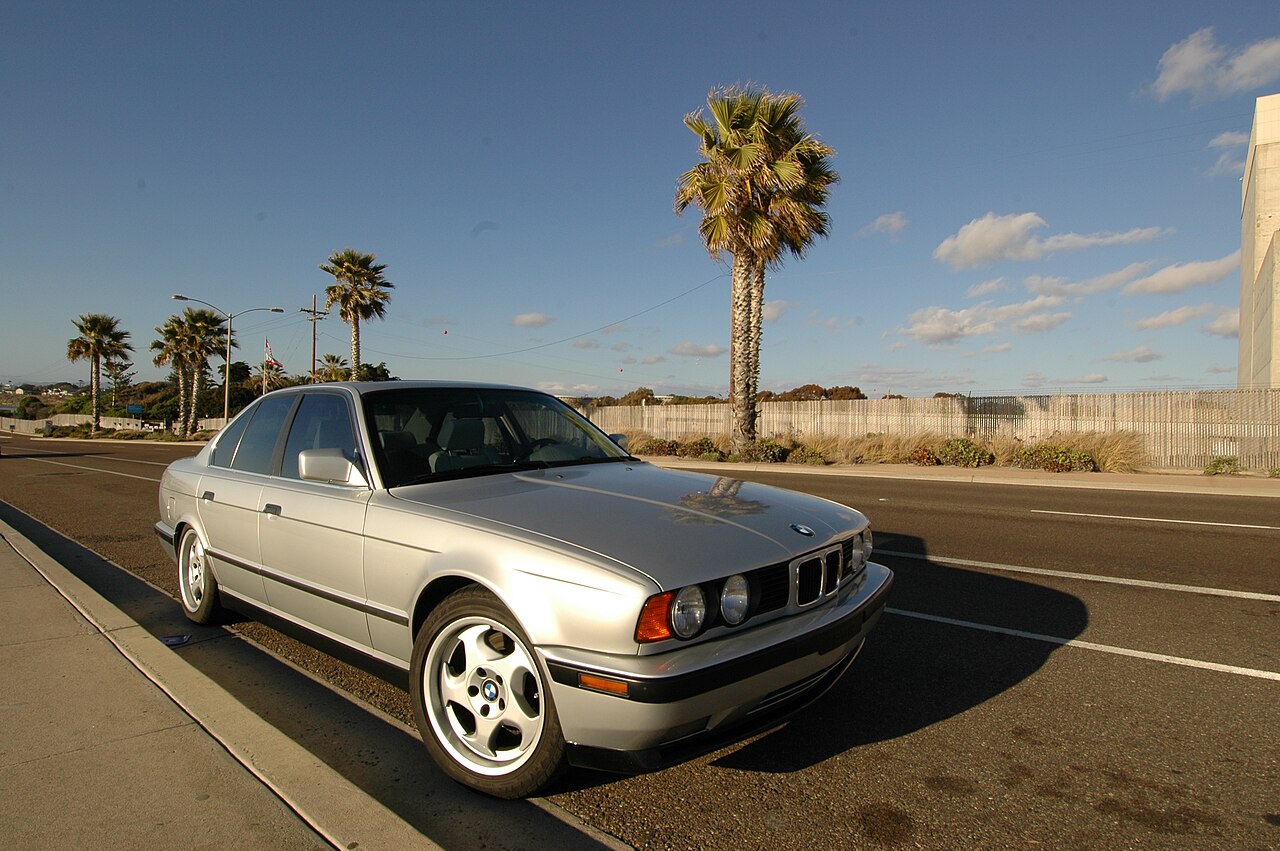
The 2027 BMW 550e sedan and the 2027 Volvo EX90 SUV represent two distinct approaches to electrified driving, with notable contrasts in EPA-rated range, efficiency, and charging times. BMW's 550e achieves a higher EPA combined driving range of 430 miles compared to Volvo's 300 miles for the EX90. However, the Volvo EX90 exhibits far superior energy efficiency, boasting a combined rating of 87 MPGe against the BMW’s 25 MPGe. Both vehicles currently carry no NHTSA recalls.
Key Findings
- The BMW 550e leads in EPA combined range by 430 miles versus the Volvo EX90’s 300 miles.
- Volvo EX90 delivers significantly higher overall efficiency with 87 MPGe compared to BMW 550e’s 25 MPGe.
- Charging times differ, with the BMW requiring approximately 2 hours for a 240V charge, much faster than the Volvo’s 11 hours.
- Both 2027 models have zero NHTSA recalls as of the latest data.
- Efficiency differences are evident in city and highway MPGe ratings, favoring the Volvo.
EPA Driving Range Comparison
The BMW 550e’s EPA combined range of 430 miles more than surpasses the Volvo EX90’s 300 miles. This edge likely appeals to buyers prioritizing fewer charging stops for longer trips or who require extended daily driving distances. The 130-mile gap is substantial enough to influence choice depending on commuting patterns or frequent long excursions.
Efficiency and MPGe Ratings
MPGe (miles per gallon gasoline equivalent) quantifies the energy efficiency of electric vehicles. The Volvo EX90’s high combined MPGe of 87 MPGe reflects its electric powertrain’s efficiency and possibly aerodynamic SUV design optimized for economy. Comparatively, the BMW 550e’s combined 25 MPGe is much lower, indicating higher energy consumption per mile.
City and highway figures confirm this disparity: the Volvo’s city MPGe is 92 MPGe and highway MPGe is 82 MPGe, while the BMW’s are 22 MPGe and 28 MPGe respectively. Buyers valuing efficiency, especially in urban settings, would gravitate towards the EX90.
Charging Time Considerations
The BMW benefits from a much quicker 240V charge time of roughly 2 hours, contrasted with the Volvo’s longer 11 hours. This difference influences daily convenience, reducing downtime for the BMW 550e and potentially suiting users with limited overnight charging window. The slower Volvo charge time might require planning but aligns with its strong energy efficiency.
Recall History and Safety Assurance
Recalls are critical data points signaling potential safety or reliability issues. Notably, neither the 2027 BMW 550e nor the Volvo EX90 have any recorded NHTSA recalls as of the latest check. This parity assures prospective buyers of both vehicles meeting robust safety inspections without outstanding manufacturer correction campaigns.
Who Should Consider Each Vehicle?
Drivers requiring maximal driving range and rapid recharge to minimize stops will likely prefer the BMW 550e sedan. Its longer EPA range of 430 miles and fast charging make it suited for long-distance commuters and travelers.
Alternatively, environmentally conscious buyers emphasizing electric efficiency and lower operating energy costs may lean toward the Volvo EX90. Its considerably higher MPGe ratings, including 87 combined MPGe, and SUV utility appeal to those needing a spacious vehicle with strong economy, particularly in city driving.
| Specification | 2027 BMW 550e | 2027 Volvo EX90 |
|---|---|---|
| EPA Combined Range | 430 miles | 300 miles |
| Combined MPGe | 25 MPGe | 87 MPGe |
| City MPGe | 22 MPGe | 92 MPGe |
| Highway MPGe | 28 MPGe | 82 MPGe |
| 240V Charge Time | 2 hours | 11 hours |
| NHTSA Recall Count | 0 recalls | 0 recalls |
Frequently Asked Questions
What is the main difference in EPA range between the BMW 550e and Volvo EX90?
The BMW 550e offers an EPA combined range of 430 miles, significantly exceeding the Volvo EX90’s 300 miles.
Which vehicle is more efficient in terms of MPGe?
The Volvo EX90 is more efficient, with a combined MPGe of 87 MPGe, compared to the BMW 550e’s 25 MPGe.
How do the charging times compare?
The BMW 550e has a much shorter 240V charging time of about 2 hours, whereas the Volvo EX90 requires roughly 11 hours for a full 240V charge.
Are there any safety recalls for these 2027 vehicles?
As of the latest data, both the BMW 550e and Volvo EX90 have zero NHTSA recalls.
Which vehicle suits urban driving better?
The Volvo EX90’s higher city MPGe of 92 MPGe suggests better efficiency for urban stop-and-go traffic compared to the BMW 550e’s 22 MPGe.
Conclusion
Choosing between the 2027 BMW 550e and Volvo EX90 hinges on priorities around range, efficiency, and charging convenience. The BMW 550e excels at providing a longer EPA driving range and quicker charge times, well-suited for those who often drive long distances and prefer minimizing charging stops. Meanwhile, the Volvo EX90 offers superior energy efficiency and city driving economy alongside the spaciousness and versatility of an SUV. Both have clean safety records with no recalls, making safety concerns equal in this comparison. Potential buyers should weigh how important extended range versus overall efficiency and charging pace are to their typical driving habits.