Best Electric Cars · EVCar Data Desk
BMW 550e vs Volvo EX90: EPA Range and Recall Data Compared
The 2027 BMW 550e xDrive and the 2027 Volvo EX90 Twin Motor represent two very different approaches to electrified driving. Buyers looking for longer range will find the BMW 550e standing out with an EPA-estimated range of 430 miles, significantly outpacing the Volvo EX90's 310 miles. However, when it comes to energy efficiency, the two vehicles diverge sharply, with the Volvo EX90 offering a combined MPGe of 89 MPGe compared to the BMW's 25 MPGe. Both vehicles currently have no reported NHTSA recalls as of the latest data.
Key Findings
- The BMW 550e achieves an EPA-estimated range of 430 miles, well above the Volvo EX90's 310 miles.
- The Volvo EX90 is more efficient with a combined MPGe of 89 MPGe, compared to the BMW's 25 MPGe.
- Both vehicles report zero recalls according to the NHTSA database.
- The BMW charges significantly faster on a Level 2 charger, taking about 2.00 hours compared to the Volvo's 11.00 hours.
EPA Range Comparison: Long Haul vs Moderate Distance
The 2027 BMW 550e xDrive Sedan's EPA range of 430 miles delivers an advantage for buyers prioritizing long-distance travel between charges. This range figure is notably higher than many midsize sedans and places the BMW in an upper tier of electric vehicle range capabilities for its class.
Conversely, the Volvo EX90, a midsize SUV with 21-inch wheels and all-wheel drive, offers an EPA range of 310 miles. While this may limit longer trips compared to the BMW, the range is still respectable for a standard SUV in this segment.
Energy Efficiency and MPGe Ratings
MPGe (miles per gallon equivalent) serves as a standardized metric to compare electric and traditional fuel vehicles. Here, the Volvo EX90 leads with a combined MPGe of 89 MPGe, including 94 MPGe city and 83 MPGe highway. This reflects the EX90's efficient energy use, benefiting drivers who mostly navigate urban or mixed environments.
The BMW 550e's combined MPGe is considerably lower at 25 MPGe, split between 22 MPGe city and 28 MPGe highway. This lower efficiency likely relates to the model's hybrid powertrain architecture, which influences energy consumption, especially when operating in electric mode.
Charging Times and Convenience
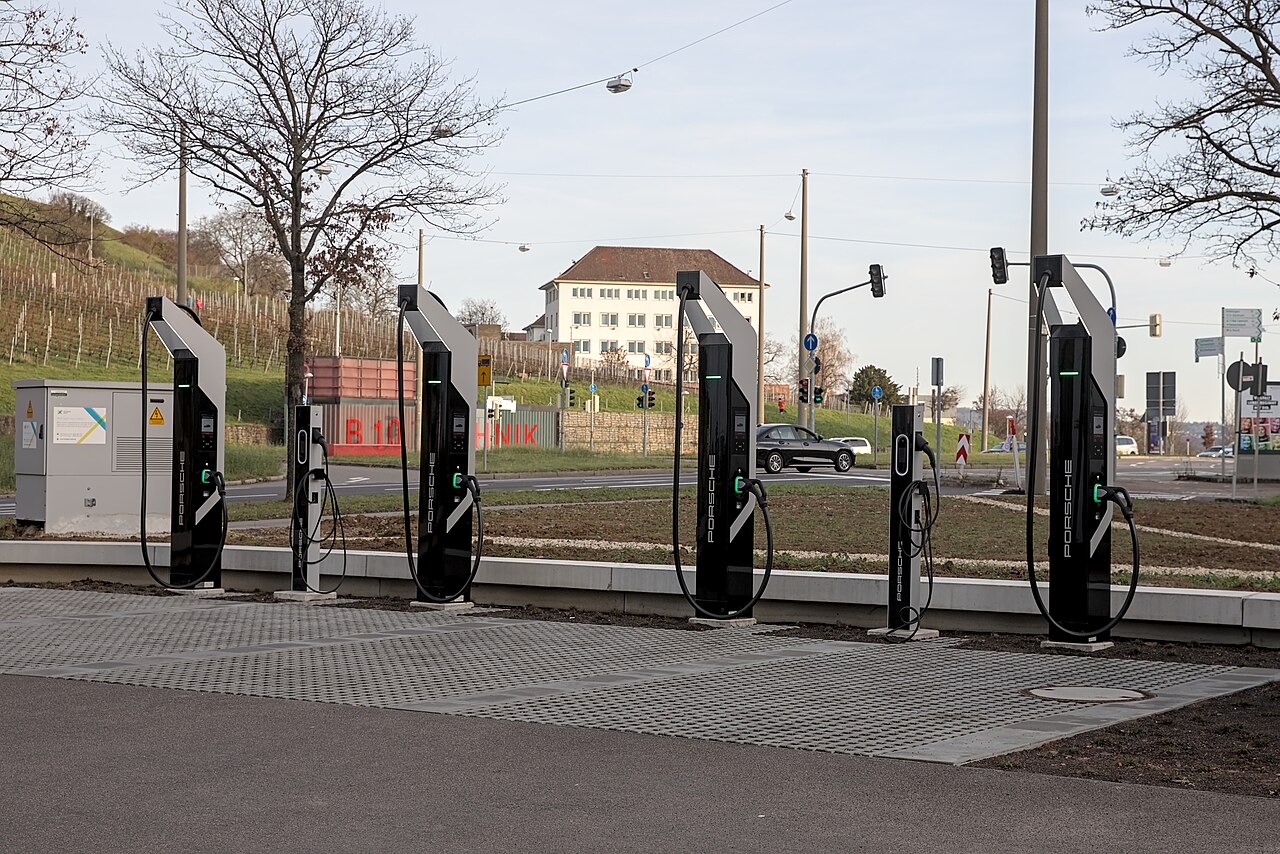
Charging speed is a critical factor for buyer convenience. The BMW 550e charges fully on a Level 2 (240V) charger in approximately 2.00 hours, a relatively quick turnaround for daily use. This faster charging time could reduce downtime during frequent or unexpected charging needs.
The Volvo EX90 requires a significantly longer Level 2 charging time of 11.00 hours. This extended duration suits overnight charging scenarios but may challenge users needing quick turnaround on shorter trips or multiple daily recharges.
Recall Status and Vehicle Reliability Insights
Both the 2027 BMW 550e and Volvo EX90 report zero recalls according to the National Highway Traffic Safety Administration (NHTSA) data as of mid-2026. While this suggests there are no known widespread safety or reliability issues for either model at this time, recall history can evolve with wider vehicle use and increased buyer feedback.
Vehicle Type and Buyer Suitability
The BMW 550e is a midsize sedan, appealing to buyers who prioritize long range and quicker charging in a more traditional passenger car package. Its extended EPA range supports longer trips without frequent charging stops.
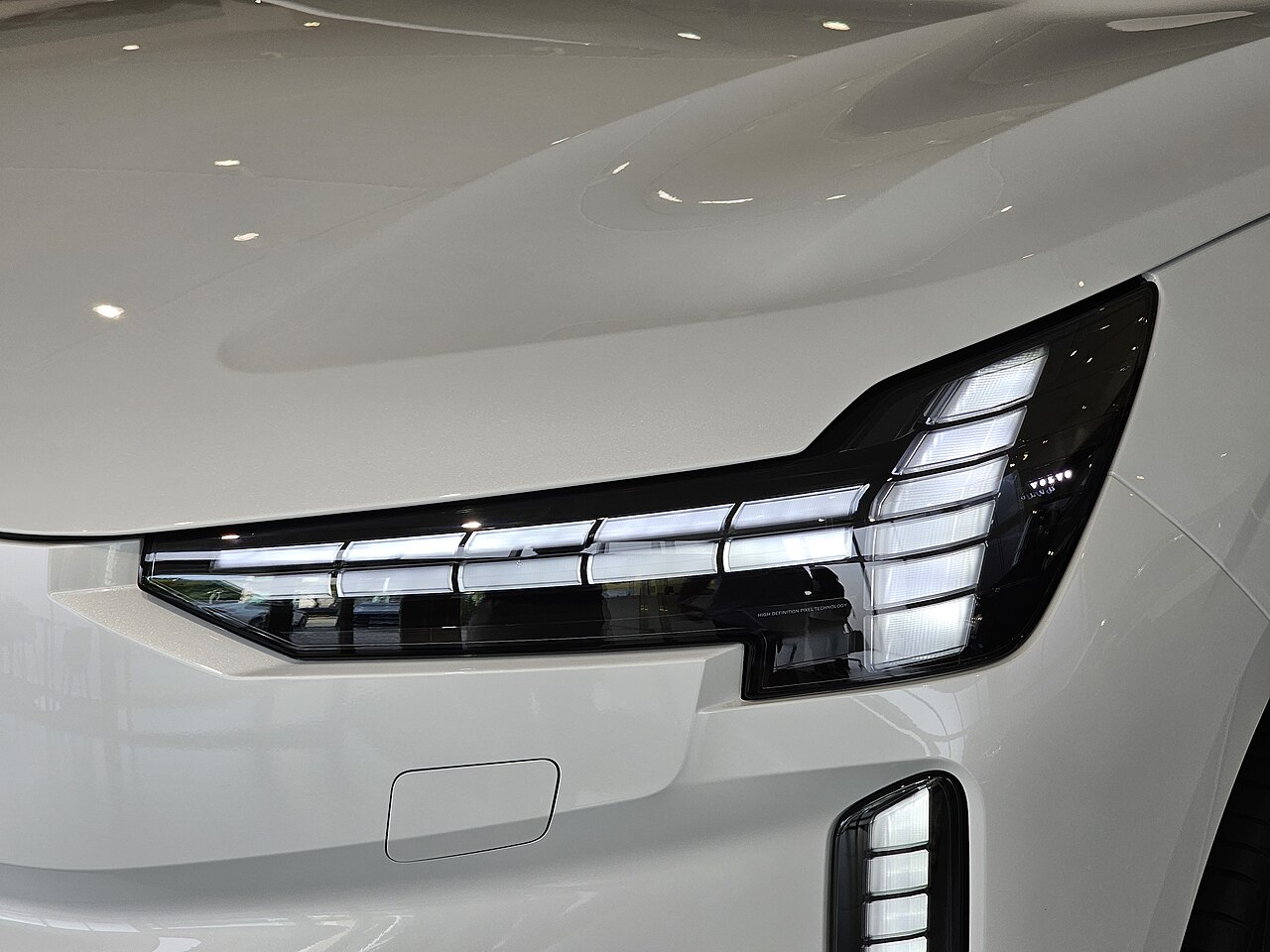
In contrast, the Volvo EX90 is a standard midsize sport utility vehicle equipped with all-wheel drive and larger wheels. This SUV configuration suits buyers needing more interior space, utility, and likely AWD performance, with a trade-off in range and charging speed.
| Specification | BMW 550e xDrive | Volvo EX90 Twin Motor |
|---|---|---|
| EPA Range | 430 miles | 310 miles |
| Combined MPGe | 25 MPGe | 89 MPGe |
| City MPGe | 22 MPGe | 94 MPGe |
| Highway MPGe | 28 MPGe | 83 MPGe |
| Level 2 Charge Time | 2.00 hours | 11.00 hours |
| NHTSA Recalls | 0 recalls | 0 recalls |
Frequently Asked Questions
Which vehicle has the longer EPA range?
The BMW 550e has a longer EPA estimated range of 430 miles compared to the Volvo EX90's 310 miles.
How do the MPGe ratings compare?
The Volvo EX90 is significantly more efficient with a combined MPGe of 89 MPGe versus the BMW 550e's 25 MPGe.
Are there any recalls reported for either model?
Neither the BMW 550e nor the Volvo EX90 has any reported recalls as per the latest NHTSA data.
Which vehicle charges faster on a Level 2 charger?
The BMW 550e charges much faster, requiring around 2.00 hours, while the Volvo EX90 takes about 11.00 hours.
What types of buyers are these vehicles best suited for?
The BMW 550e is ideal for buyers seeking extended range and quicker charging in a midsize sedan format. The Volvo EX90 suits those who want an AWD midsize SUV with better energy efficiency and urban driving economy.
Conclusion
Choosing between the 2027 BMW 550e and Volvo EX90 depends heavily on your priorities. The BMW offers a standout EPA range that supports longer drives and faster Level 2 charging, but it trails significantly in energy efficiency compared to the Volvo. In contrast, the Volvo EX90 delivers a more efficient ride with higher MPGe ratings in both city and highway driving, making it better suited for eco-conscious drivers who value electric efficiency and SUV practicality. Both vehicles currently have clean recall records, offering peace of mind about safety issues at this stage. Ultimately, buyers favoring range and charging speed may lean toward the BMW, while those valuing efficiency and space will find the Volvo EX90 compelling.