BlizzCon 2026 showcased significant announcements, including Diablo V, World of Warcraft: Forever, and fresh expansions for Overwatch and Hearthstone.
BlizzCon 2026 returned to Anaheim, delivering a flurry of exciting announcements across Blizzard's notable franchises. The event primarily spotlighted the highly anticipated Diablo V, slated for a spring release in 2029, and an innovative new direction for World of Warcraft with World of Warcraft: Forever. Set to debut on November 4, this experience introduces three new zones, an impressive 1,000 quests, multiple dungeons and raids, alongside the new Skyborne race.

Amidst the excitement, Blizzard announced a Netflix animated series set in the Diablo universe, marking an expansion beyond traditional gaming. This adaptation promises to explore various narratives within Diablo’s rich lore, hinting that future projects may continue to branch out into multiple media.
World of Warcraft: Forever
With the launch of World of Warcraft: Forever, Blizzard aims to elevate the gameplay experience significantly. Players can expect new zones filled with exploration opportunities, a remarkable increase in the quest pool, and new multiplayer challenges designed to create fresh gameplay experiences. This shift can be interpreted as a strategic effort to reinvigorate the franchise by diversifying gameplay options, which is essential when competing with other multiplayer online games on the market.
The evolution of the World of Warcraft franchise has been a topic of discussion among long-time players. Many feel that with such a vast universe at its disposal, Blizzard has only scratched the surface. Expanding into new territories and enriching existing ones could not only retain old players but also attract new gamers looking for immersive multiplayer experiences. This isn't just about keeping up; it’s a bid to lead the charge for MMO gaming in the years to come.
Diablo V
The next iteration in the Diablo franchise, Diablo V, is set to challenge players in a corrupted world where Sanctuary has succumbed to evil forces. This title aims to elevate narrative stakes by introducing moral dilemmas that players will face, exploring themes of identity and consequence. Games have become increasingly story-driven over the last few years, and this direction reflects a broader trend in the industry towards more nuanced storytelling.
Here's the thing: as players navigate a morally ambiguous landscape, they'll find that choices have weight. This approach can lead to increased emotional investment in the characters and world, something many players seek from their gaming experiences. As developers aim for more immersive and impactful storytelling, titles like Diablo V may set new benchmarks for both narrative and gameplay.
StarCraft
In a highly anticipated return, the beloved StarCraft franchise will be reimagined as an open-world shooter, set for release in 2030. This iteration intends to deepen player engagement by merging expansive environments with a rich narrative experience. Gamers are increasingly seeking not just competition but also stories woven into their gameplay, pushing developers to adapt.
This forthcoming revival underscores Blizzard’s understanding of contemporary player expectations. An open-world format, particularly for a franchise well known for its strategic gameplay, signals a shift in how Blizzard plans to keep the franchise fresh and relevant.
Warcraft III
In a nod to nostalgia, Warcraft III Reforged has received an update that introduces an entirely new campaign titled Forsaken Kingdom. This campaign explores the fall of Lordaeron while featuring graphical improvements and enhanced creator tools through the 3.0 update, reflecting Blizzard's commitment to keeping older titles alive and relevant. Remastering classics can attract returning fans and potentially draw in a new audience curious about the roots of contemporary gaming franchises.
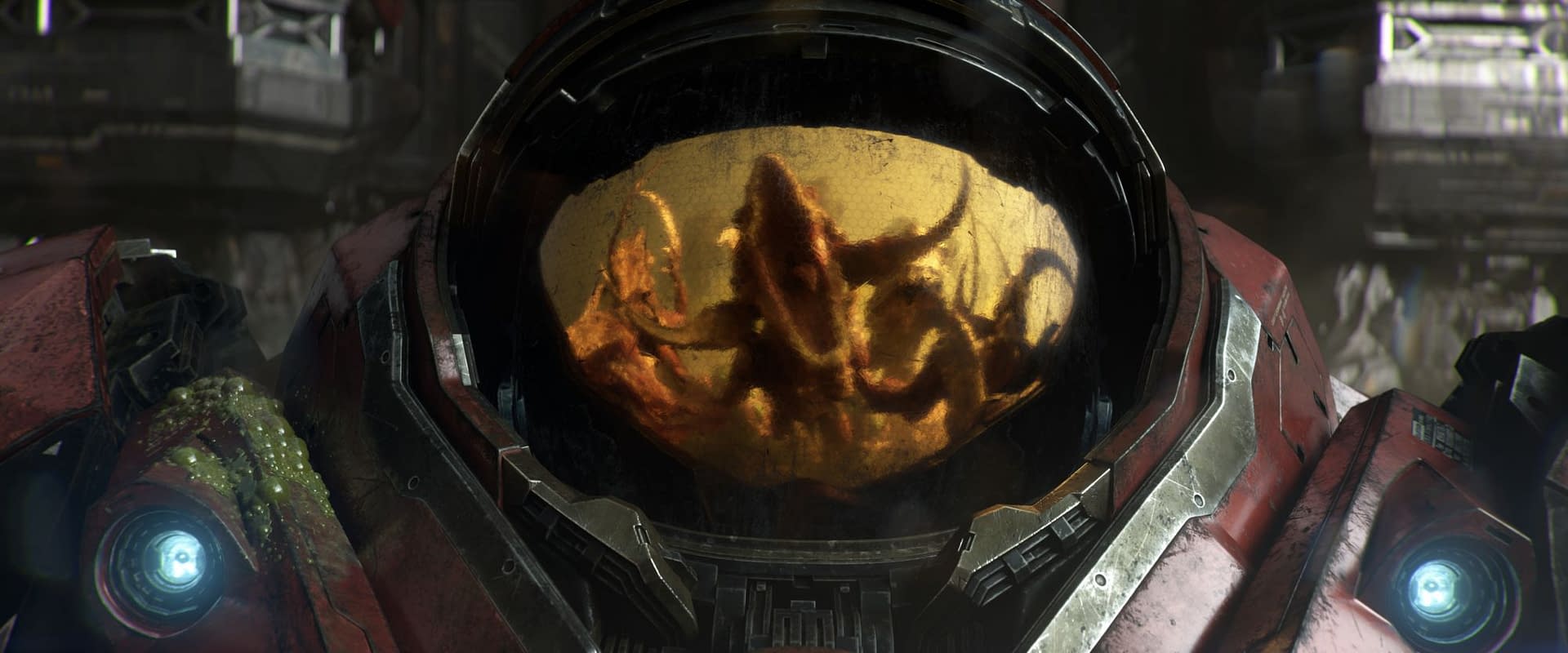
Heroes of the Storm
New content is on the way for Heroes of the Storm, with character Xal'atath set to debut on September 28, along with a public test realm opening on September 14. This development signals continued support for the title amidst varied player feedback—a decision Blizzard will likely scrutinize closely given the mixed reception the game has received.
If you're working in this space, you know how challenging it can be to maintain community engagement long-term. Blizzard's proactive approach may be a way to rejuvenate interest and counteract criticisms of lacking content or innovation.
Diablo IV
Diablo IV's upcoming Season of Hell launches on September 15, celebrating the franchise’s legacy with the return of iconic characters and gameplay features. Players will also finally see the legendary Amazon class make its debut in 2027, taking advantage of cross-platform play to create a more cohesive gaming community. This aspect reflects a growing trend in the industry toward more inclusive experiences, where players across platforms can join forces.
The challenge will be maintaining balance within cross-play environments. Historically, disparities can arise from different platforms, potentially affecting competitiveness. Balancing is a tricky needle to thread, and if Blizzard can manage it well, the benefits could be substantial.
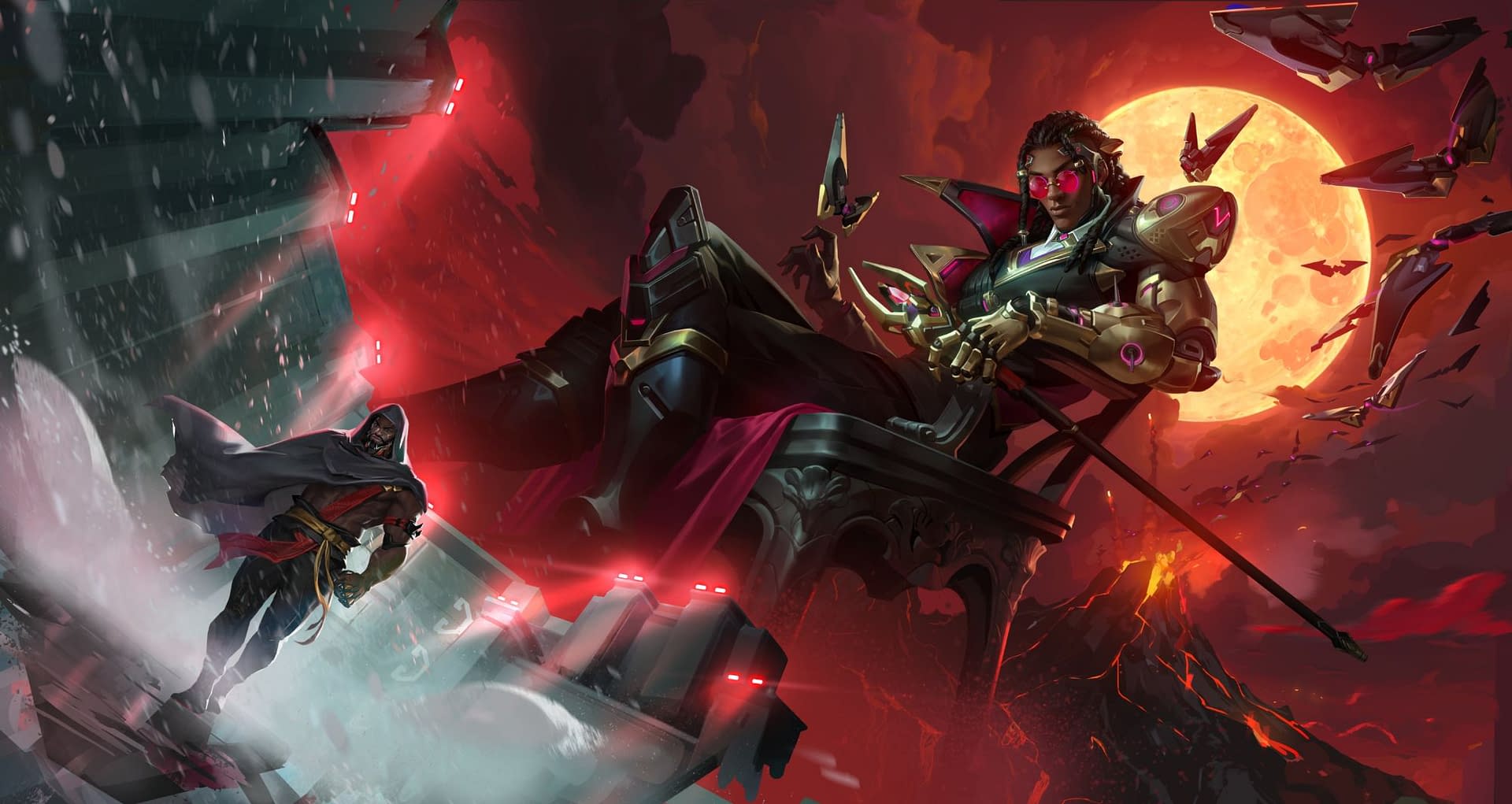
World of Warcraft
World of Warcraft is also getting an exciting update with the expansion The Last Titan, which promises to culminate much of the expansive storytelling chronicled over the years. This expansion will provide players with more opportunities to explore the lore that has shaped the game, potentially reinvigorating longtime players as well as capturing new fans.
And yet, in a franchise that’s been running for well over a decade, there’s a balance to strike between nostalgia and progress. Players are often torn between wanting to revisit beloved characters and wanting fresh narratives. This push for new expansions reflects Blizzard's ongoing struggle to innovate while catering to legacy fans.
Overwatch
In the latest updates for Overwatch, a new support hero named Doctrine is set to join the roster, complete with significant reworks for existing characters and the addition of a new competitive map. Esports events during BlizzCon will feature concerts from popular artists, emphasizing Blizzard’s aim to celebrate and engage with its community comprehensively.
As multiplayer games increasingly intertwine with the music and entertainment industries, Blizzard's emphasis on these events serves not just to promote titles, but to solidify their cultural relevance. This strategy could inspire other game companies to step outside the traditional boundaries of gaming and tap into broader entertainment spheres.
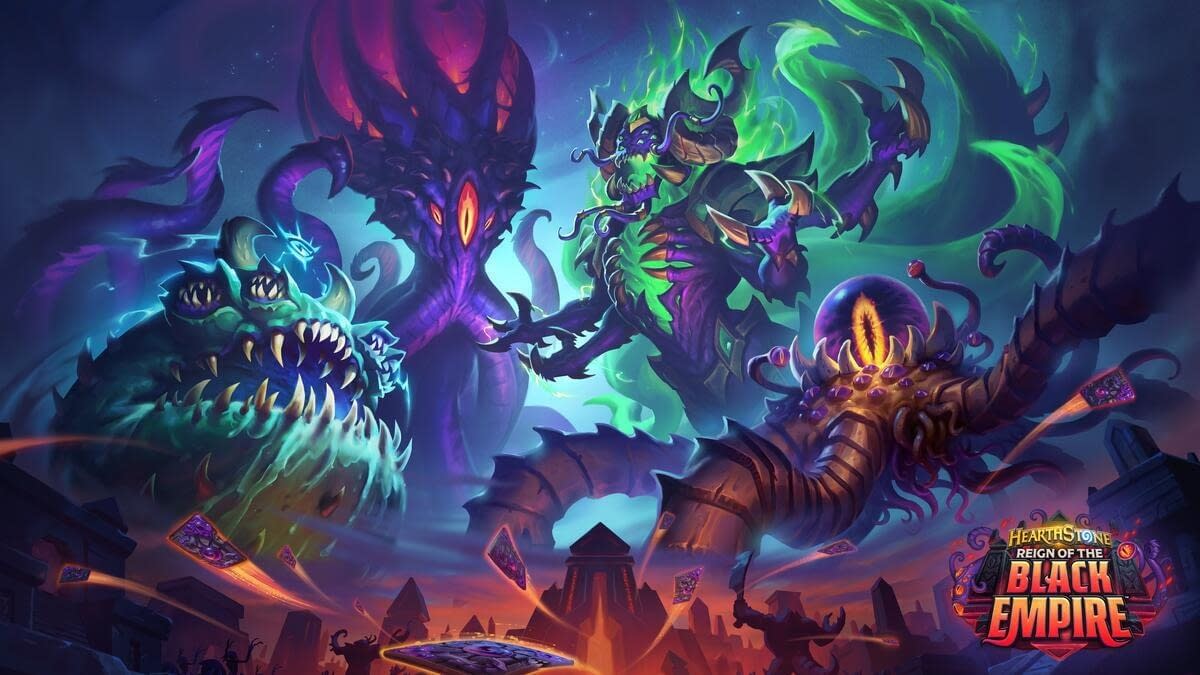
Hearthstone
Hearthstone is entering a new chapter by introducing the Monk class in 2027, alongside its next expansion, which promises to merge cards in unexpected ways, offering a refreshing twist for gameplay. Alongside these changes, the revamped Journal will enhance player experience by unifying all historical content, allowing for greater planning and strategizing for future adventures.
This move indicates Blizzard’s acknowledgment of player demands for new content and features that deepen engagement. As card games become increasingly sophisticated, the expectation for continual innovation grows. Adapting to player preferences might help Hearthstone maintain its foothold against competitive card games, ensuring it remains a staple in the genre.
Future Implications and Significance
The announcements from BlizzCon 2026 showcase Blizzard's ability to reflect on its eclectic portfolio while attempting to address the evolving needs of its gaming community. This is more significant than it looks—by expanding franchises into new mediums and types of gameplay, Blizzard is not just revitalizing its existing titles, but also staking a claim in the broader cultural landscape.
The initiatives to diversify content, like creating a Netflix series and branching out gameplay structures, signify that Blizzard is taking steps to remain relevant in a competitive industry increasingly influenced by shifting player expectations. As blockbuster releases draw closer, the pressure will mount on Blizzard to deliver not only on gameplay but also on narrative depth and community involvement. The future for Blizzard hinges upon striking that balance effectively, ensuring its legacy continues while also inviting new players to join its storied worlds.

Discussion
Sign in to join the discussion.