Portal Games’ new Czółek edition pairs dog-themed guessing cards with six playful modes for young children, family gatherings and independent play.
A familiar guessing game with a dog theme
Portal Games has released Czółek: Cloud and Storm, a dog-themed edition of its forehead guessing game aimed at younger players. The core idea is easy to explain: one player holds a card against their forehead, where they can’t see it, while the rest of the group offers clues. The player then tries to identify the word or phrase. That familiar setup gives the game a low barrier to entry, while its dog-focused theme supplies a common subject for children to talk and joke about.
The pitch is practical as much as playful. Picture-supported cards, several ways to give hints and a straightforward goal could make it easier to bring into family or school settings, where players may have different levels of confidence with reading or performing. The theme also gives children a shared starting point. That can help a group get a round going, though the source doesn’t specify an age range or explain how the cards’ difficulty varies.
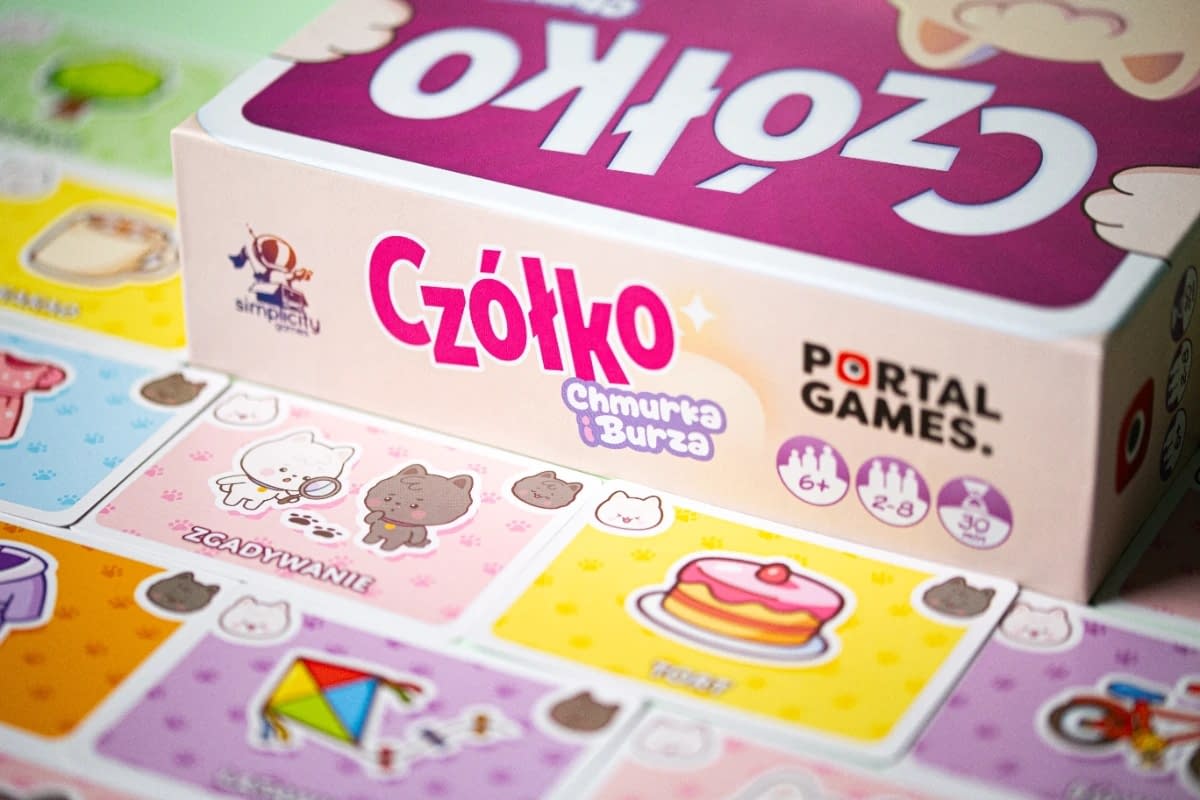
Clues can be acted, spoken or sung
Players can describe the answer, act it out or offer a song as a clue. Those options matter in a children’s game because they let the group communicate in different ways: a child who hesitates to explain an idea can use movement, while another may be more comfortable putting the hint into words. The format also asks the clue-givers to think about what their player knows, rather than simply repeat the answer.
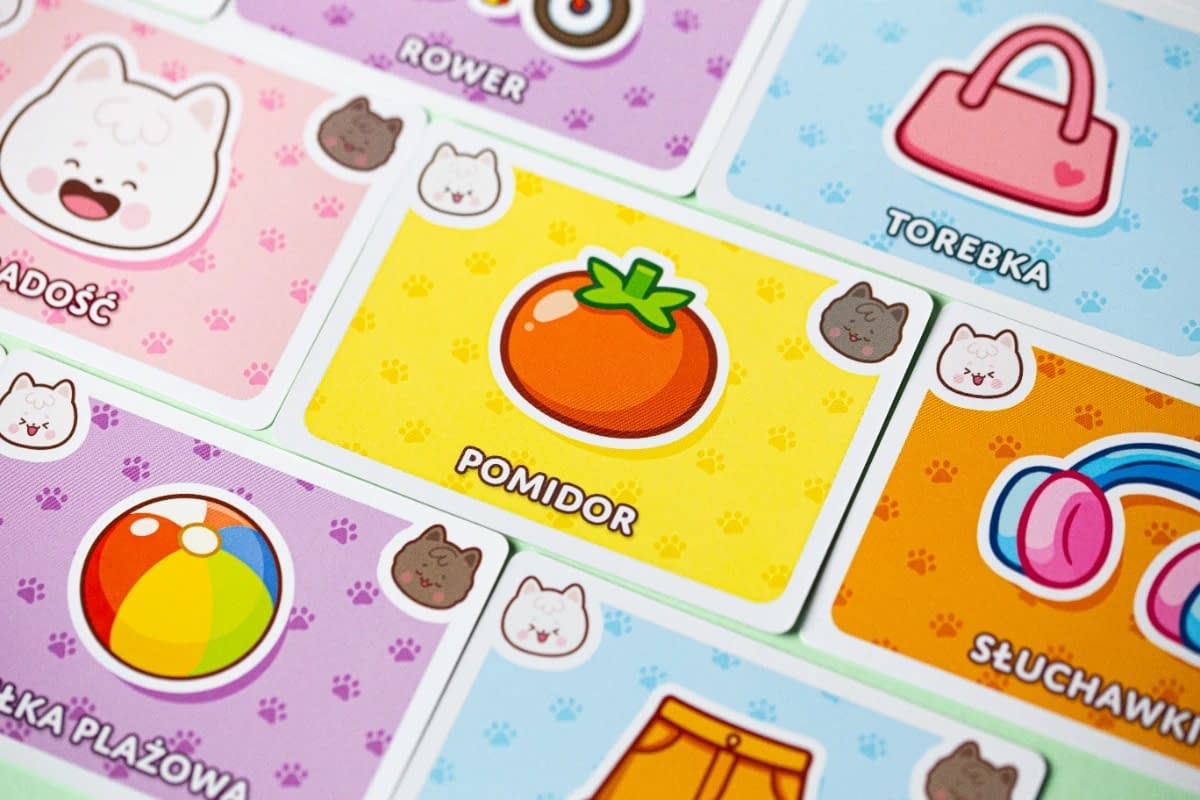
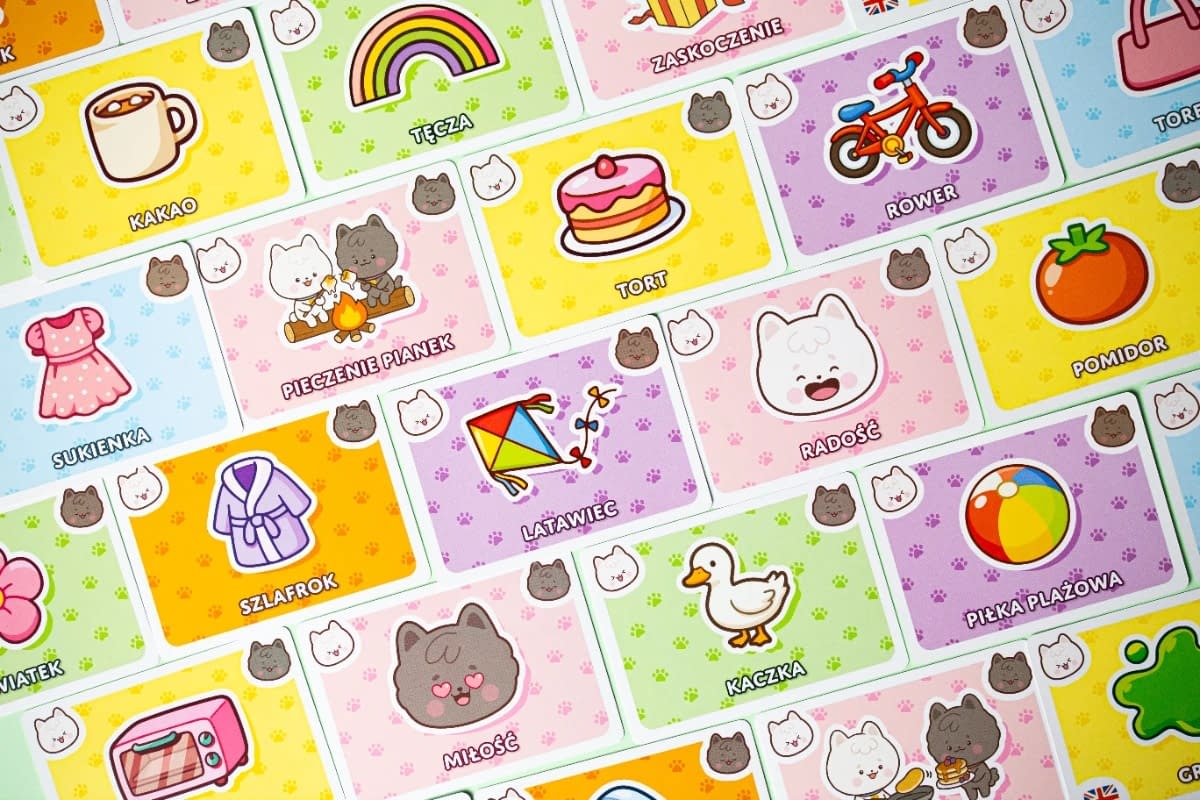
The cards draw on six categories inspired by dogs and their world, using text and illustrations to support recognition. Images can make a prompt more approachable for younger players, particularly when a word is unfamiliar, although the precise balance between text and artwork isn’t described. The game’s appeal will depend partly on how clearly those cues guide children without giving away the answer too quickly. A useful middle ground: enough help to keep play moving, with room for a real guess.
For families and teachers, the different clue styles could also make the activity adaptable to the group at the table. A spoken clue may work in one round; a charade or song can change the energy in the next. That variety doesn’t guarantee every child will want to perform, of course, but giving players more than one way to participate can ease the pressure on any single style of play.
The game’s basic objective is to guess as many passwords as possible in a round. Players keep the cards they solve, and the player with the most cards at the end wins. That scoring method is easy to follow and gives the group a clear finish line. The source doesn’t say how long a round lasts or how the game handles a tie, so groups may need to settle those details as they play.
The illustrated cards also allow children to play independently, without an adult running the activity. That’s a useful claim for a product pitched at home and school, where adults may want an activity children can manage themselves. How independent play works in practice will depend on whether children can understand the prompts and rules without help. Still, the option gives the edition more possible uses than a game that requires an adult to guide every turn.
-

- Credit: Portal Games
-

- Credit: Portal Games
Six modes shape the play
Cloud and Storm adds six themed modes: Calm Storm, Lazy Cloud, Shy Storm, Singing Cloud, Energetic Cloud and One-Legged. Their names suggest playful variations in how participants act or give clues, but the available description doesn’t spell out the rules for any of them. It’s therefore difficult to judge how much these modes change the game, or whether they mainly add a new prompt for familiar play.
That distinction matters. A set of named modes can give a party game replay value if each one changes how players communicate or what they’re asked to do; names alone don’t establish how substantial those changes are. The safest read is that Portal Games is offering groups several themed ways to approach the activity. The details will determine whether children see them as meaningful variations or simply as different labels for a similar round.
The intended settings include kindergarten and school, as well as birthdays, picnics and family get-togethers. In those situations, a game’s useful qualities are often its ease of explanation and its ability to include a group with mixed preferences. Descriptions, movement and singing give hosts more than one way to keep a round going. And yet, a game built around guessing still relies on players being willing to take a turn in front of others.
What the design could mean for families
This is more significant than it looks: the edition’s strongest idea may be the range of ways children can offer and receive clues, rather than the dog theme by itself. A familiar guessing format gives adults little to teach before play begins, while images and alternative clue styles may make the activity more approachable for younger participants. If you’re choosing a game for a group with varied ages or confidence levels, those are practical features to consider.
(And this is the part most people overlook.) The same flexibility that helps one group can make the experience hard to predict for another. Children may enjoy singing or acting, while others may prefer quiet guessing; the description doesn’t say whether the modes can be adapted or skipped. Hosts will likely need to read the group and choose the style that suits the moment. A party game doesn’t need to solve every social awkwardness, but its rules should leave room for different temperaments.
There’s also a limit to what can be assessed from the announcement. It gives the premise, scoring, categories and mode names, but not a full account of the rules, card contents or recommended player count. Those omissions make it hard to say how well the game handles a larger group or how much variety the deck provides over repeated sessions. The concept is easy to grasp. The finer points remain open.
Portal Games says the edition is available through Portal Games’ website. For now, Czółek: Cloud and Storm reads as a focused family and classroom activity built around a familiar party-game structure, with picture cues and multiple ways to give hints doing much of the work. Its promise is straightforward: make guessing words a shared activity that children can approach in more than one way. Whether the six modes add meaningful variety will depend on rules the announcement doesn’t provide.


Discussion
Sign in to join the discussion.