Screen Burn explains Townfall’s design choices as Konami’s Motoi Okamoto reflects on player feedback, possible future projects and horror’s changing pace.
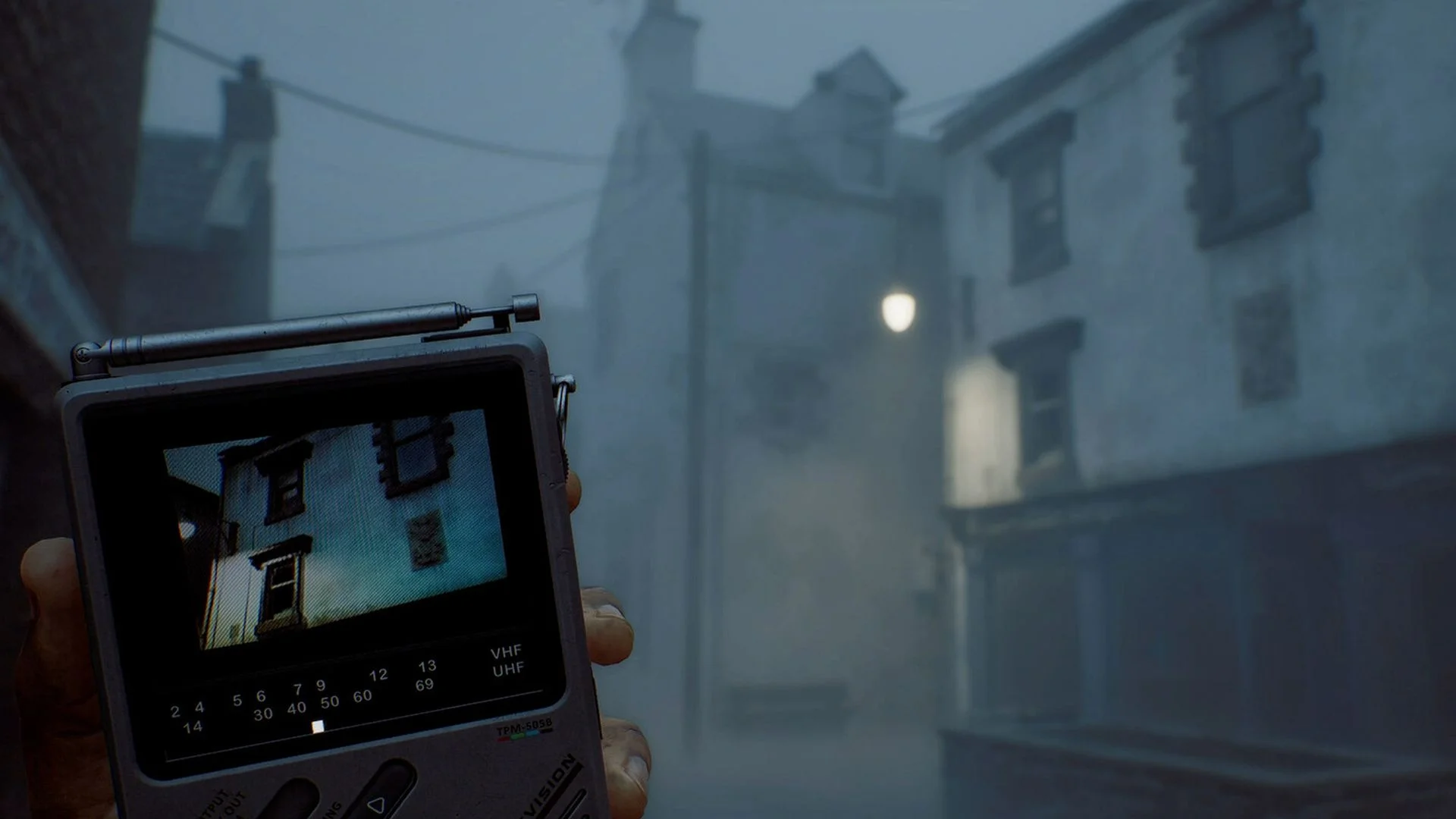
Silent Hill: Townfall takes a sustained approach to tension, and that choice has shaped both its strongest reactions and its sharpest criticism. Writer and director Jon McKellan says the team at Screen Burn intended players to feel underpowered, while series producer Motoi Okamoto says feedback has underscored how much pacing matters in horror. Their comments point to a game whose systems are designed to keep players uneasy, even when those systems give them tools to cope.
Vulnerability depends on the player
Stealth has been one of the more divisive parts of Townfall. Some players have praised the vulnerability it creates; others have found encounters frustrating. McKellan says that split reflects how differently people respond to being threatened. For some, a situation that feels nearly impossible is thrilling. For others, the same pressure can become a sense of helplessness.
The team has patched what McKellan describes as legitimate balance issues to reduce frustration. But he expects evasion-led horror to remain divisive: its tension depends partly on players feeling exposed, and that feeling doesn’t land the same way for everyone.
Watching playthroughs helped the developers see how fear can affect a player’s choices. Weapons and distractions are available, but frightened players may not think to use them. McKellan says some people interpret that hesitation as a lack of options, even when the game has provided ways to respond. The intended pressure comes from making those options hard to reach mentally in the moment, not simply from removing them.
The CRTV trades certainty for attention
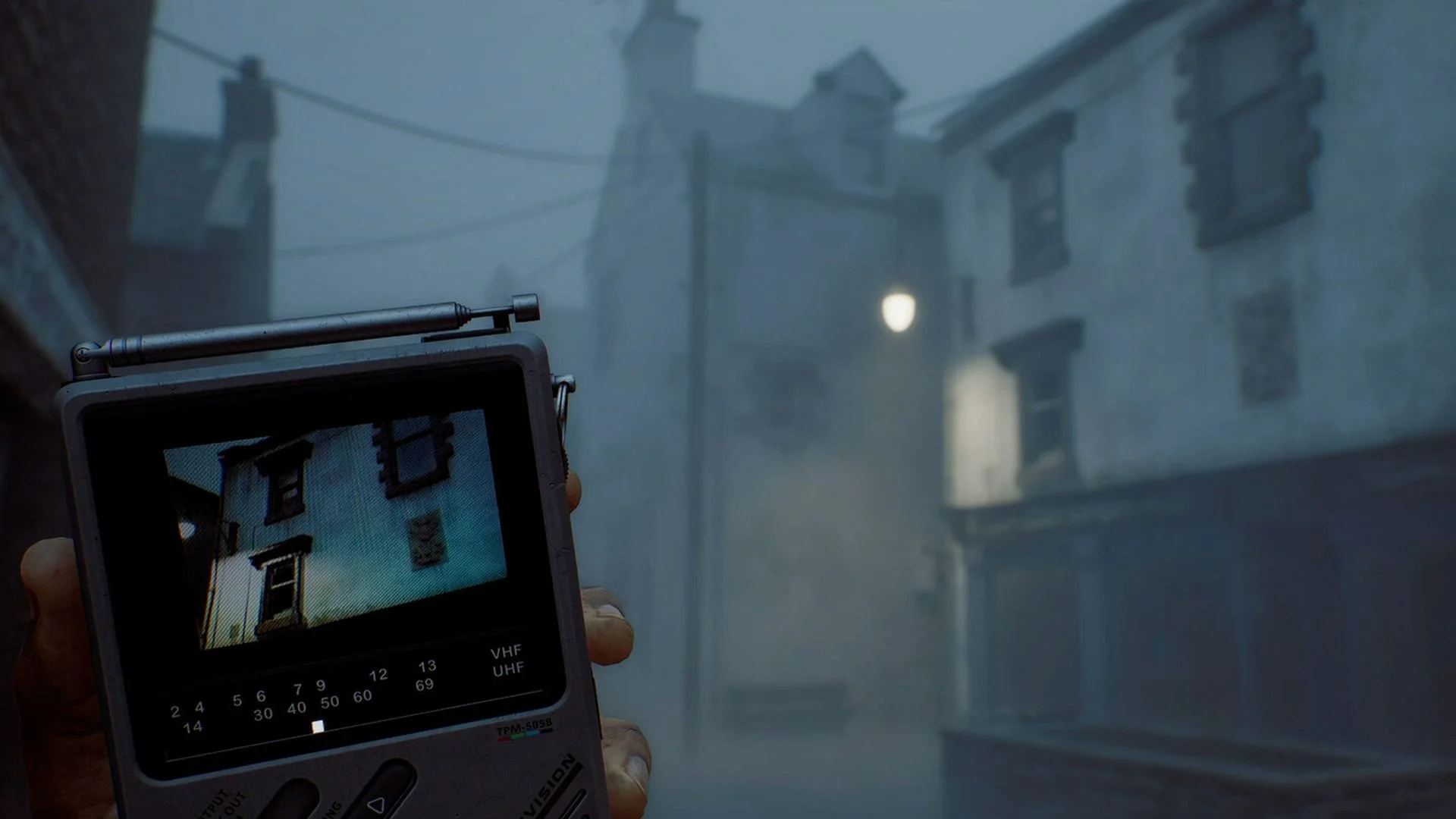
The CRTV gives players a way to detect threats, but its usefulness comes with limits. During development, the team debated how much information it should offer and how easily players should be able to get it. Testing showed that the same information could reassure one player and unsettle another. Seeing an enemy through a wall might make a route easier to plan; knowing a creature is waiting behind the door required to proceed can make that door feel worse.
Screen Burn settled on limited range and separate frequencies for individual enemies. Players have to retune the device to track different threats, a task that becomes stressful in crowded spaces. Some scan the area and leave the CRTV set to the enemy they fear most. Others keep switching between frequencies as they move. McKellan says the system was designed to support both approaches, rather than dictate a single way to manage danger.
That flexibility doesn’t guarantee that the device will make the game scarier for everyone. Okamoto says he was surprised by players who found Townfall less frightening because the CRTV revealed where enemies were. For them, its information reduces uncertainty. For others, detection turns an unseen threat into a known obstacle they still have to face.
First person shifts work to sound
Screen Burn chose a first-person perspective because it fit the game’s aims and its use of the CRTV. The change also takes away some of the spatial awareness that third-person play can provide. With a wider view, players can read threats around their character and judge how close an enemy is from the side or behind. In first person, they depend more heavily on where they’re looking.
Sound helps fill that gap. McKellan says the team spent considerable time on audio pathfinding and occlusion, so that noises respond to the spaces between their source and the player. A creature on the floor above might be heard down a hallway, with its cry seeming to come from the stairs. The aim is to make directional audio useful within the architecture, giving players clues about where to look while keeping their field of view narrow.
This approach makes audio part of how players navigate danger, rather than just a layer of atmosphere. It also reinforces the first-person perspective’s limits: players can hear a threat’s likely direction, but they still have to turn and find out what’s there.
St. Amelia draws horror from ordinary life
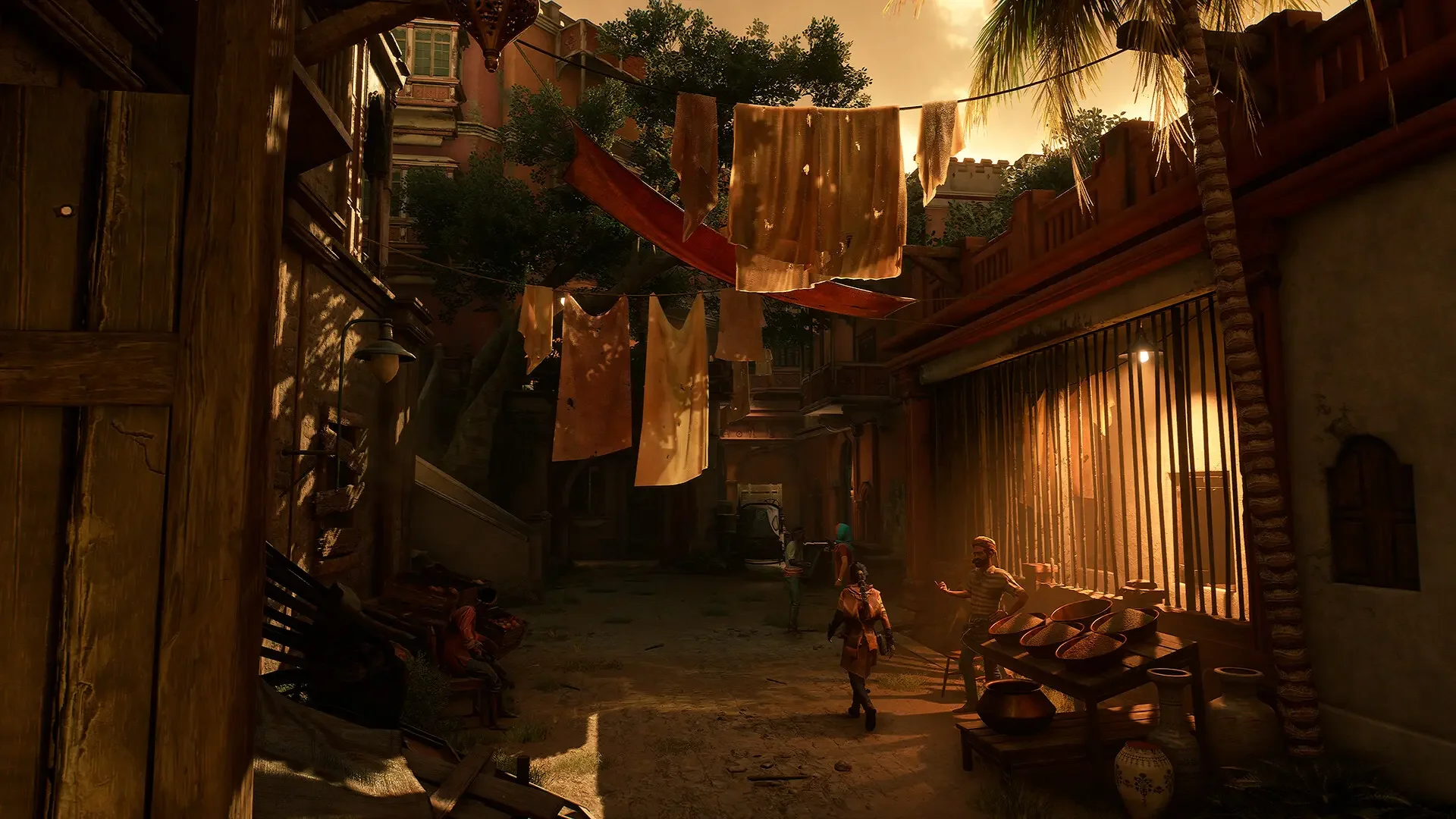
The Scottish coastal town of St. Amelia was built around a Screen Burn design principle: horror should grow out of the mundane. McKellan says the team wanted its problems to accumulate in ways that felt relatable, making the town’s tragedy more personal. The developers couldn’t assume most players would know a place like St. Amelia firsthand, so they focused on making it feel real.
That realism gives the town’s losses weight. McKellan says there isn’t one ordinary detail responsible for its unsettling quality. Instead, many small details combine to create grief and unease. The environment’s effect depends on that accumulation: the player sees enough of what the town was like to register what has been lost.
Puzzles put players under pressure
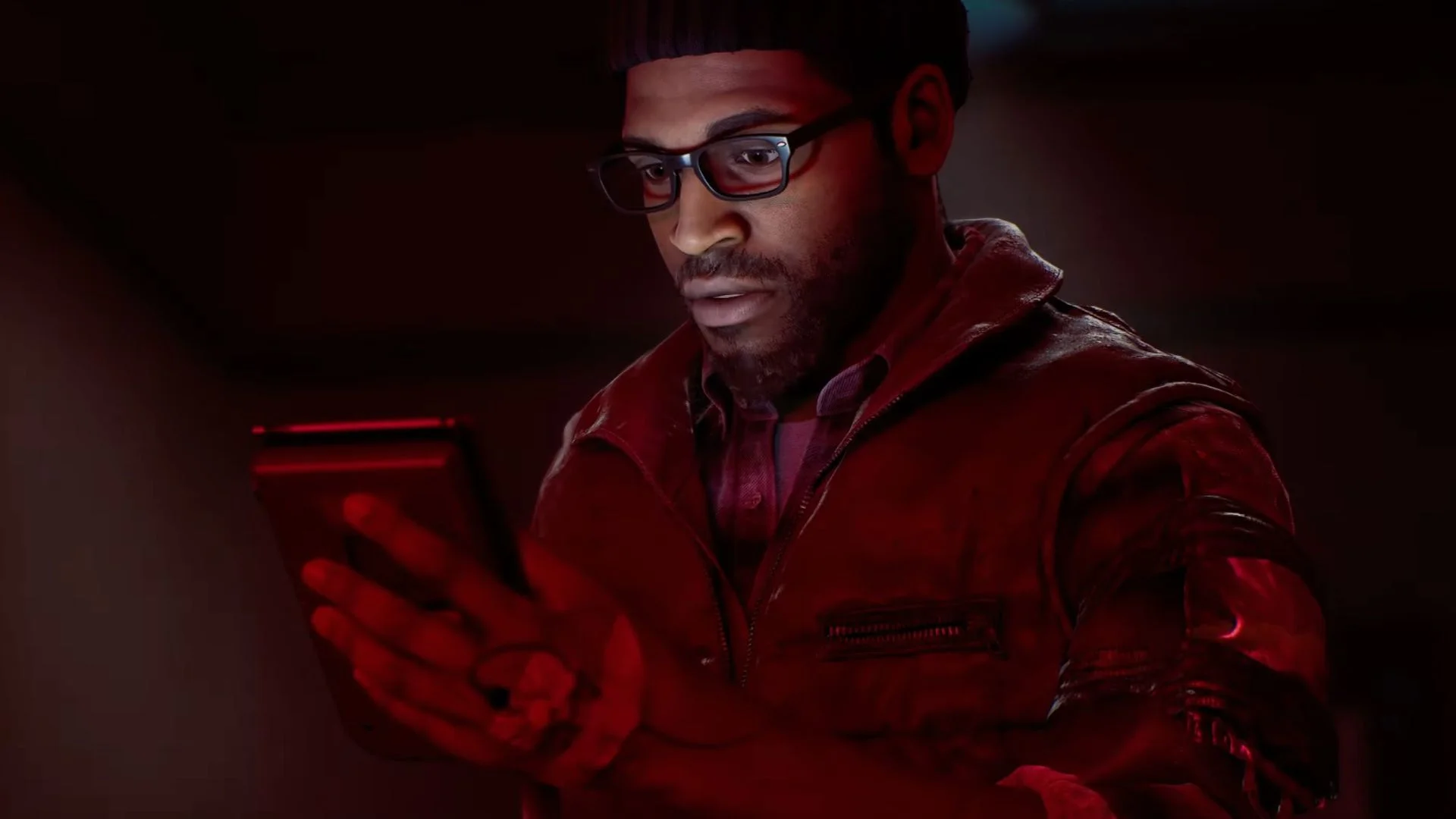
Screen Burn ties its puzzles to character and story. McKellan says a main puzzle shouldn’t exist only to unlock the next area; it should reflect the character’s goals, feelings or circumstances. The Patient chapter shows how that principle can turn a straightforward task into a source of stress.
There, the central puzzle asks players to answer a doctor’s questions. Its function isn’t mainly to test complicated puzzle-solving skills. Instead, it places players in a position similar to Zoe’s: trying to respond under pressure while doubting whether they know enough. Searching for items, avoiding enemies and examining patients through x-rays all feed into that sense of being out of one’s depth.
Some players have said the chapter seems to require the knowledge of a qualified nurse. McKellan says that reaction reflects the intended connection to Zoe, a district nurse facing medical emergencies beyond her usual experience. The player can work through the problems, but uncertainty and mistakes are part of the experience. Understanding the answer may resolve a task while leaving the character’s panic intact.
Endings reflect curiosity and violence
Townfall uses several factors to determine its endings, but McKellan identifies two as the most important: how inquisitive the player is and how violent they are. Curiosity represents Simon’s desire to learn the truth; violence reflects his tendency to handle problems in the wrong way. The ending system is meant to connect the player’s habits to how Simon confronts the people and events around him.
Reaching the good ending calls for patience and diligence. Players must show interest in the people Simon has hurt and resist treating every threat as something to eliminate. McKellan says the game also uses New Game Plus weapons to make a point: powerful equipment makes later runs faster, but taking that shortcut can represent Simon refusing to learn from what happened.
The game makes an exception for Richard’s kills in the tower. They don’t count toward the ending requirements, because that chapter’s violence shows Simon what Richard is like and how he sees himself. The distinction keeps the ending conditions focused on the player’s choices as Simon rather than treating every violent act in the story as equivalent.
Reception offers a lesson in pacing
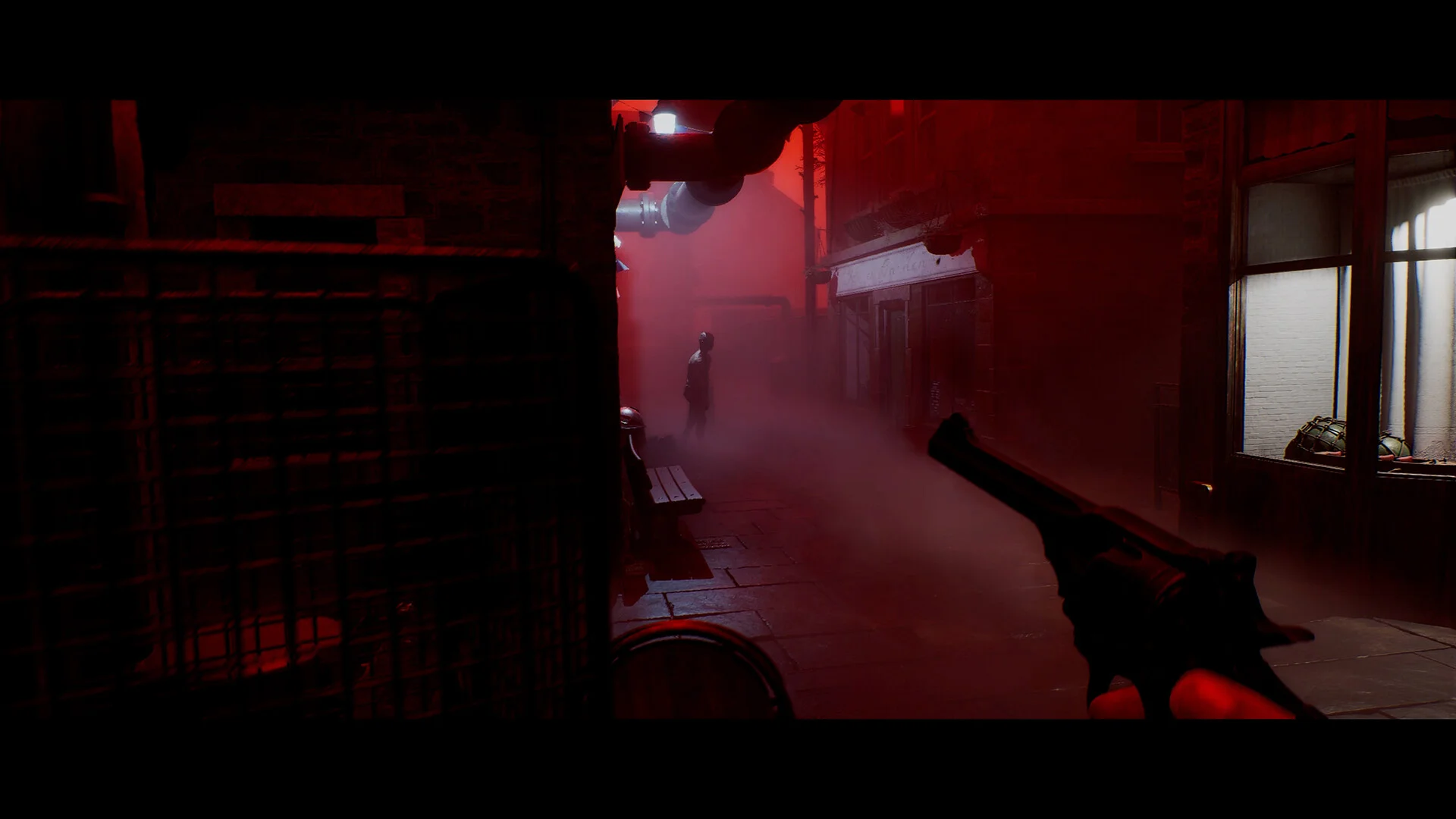
Okamoto says the team expected Townfall to be frightening, but player responses to its stealth systems have been mixed. He hopes updates will improve the experience for more players. The story has also prompted competing theories, particularly about whose heart Simon has. Okamoto sees that ambiguity as part of the appeal: it gives players room to interpret the events themselves.
He says Screen Burn told the story it wanted to tell in Townfall, while the gameplay leaves room for further exploration if the teams work together again. In that event, he’d be interested in a bolder story. No follow-up is confirmed in the conversation, but Okamoto’s comments leave open the possibility of revisiting the mechanics or taking the studio’s approach somewhere new.
At the series level, Okamoto says players have had both positive and negative reactions to stories set beyond the town of Silent Hill. He believes audiences have largely accepted that direction and says he hopes they’ll be interested in where the series goes next and which studios around the world might work on it.
His comparison of the recent games offers a more specific takeaway. Silent Hill 2 balances intense stretches with periods of relief, while Silent Hill f gives players more room to breathe. Townfall sustains tension for longer, and Okamoto believes that choice helps explain its divided gameplay response. For future horror projects, the challenge is clear: pressure can make a game memorable, but the spaces between its most tense moments may matter just as much.

Discussion
Sign in to join the discussion.