FragPunk’s upcoming Farlands mode pairs risky deliveries with hostile terrain, creatures and player encounters. No release date has been announced.
FragPunk is preparing a new kind of match: one where the route, the cargo and other players can all threaten a delivery. Bad Guitar Studio’s Farlands mode brings PvPvE objectives to the free-to-play shooter, sending players across a large map to transport packages while managing environmental hazards and possible ambushes. That shifts the focus from winning a short exchange of fire to completing a journey under pressure. The idea is easy to explain; the harder question is whether the trip itself can stay interesting once players learn its routes and risks.
Deliveries shape the journey
Bad Guitar Studio calls Farlands a “delivery-driven adventure,” blending extraction-shooter elements with a package-running loop. Its changing weather and cargo-management mechanics invite comparisons with Kojima Productions’ Death Stranding, where moving goods makes the route part of the challenge. The comparison sets an expectation for travel to matter beyond the time it takes to reach a destination. Players can upgrade their characters’ carrying capacity, letting them transport more packages at once.
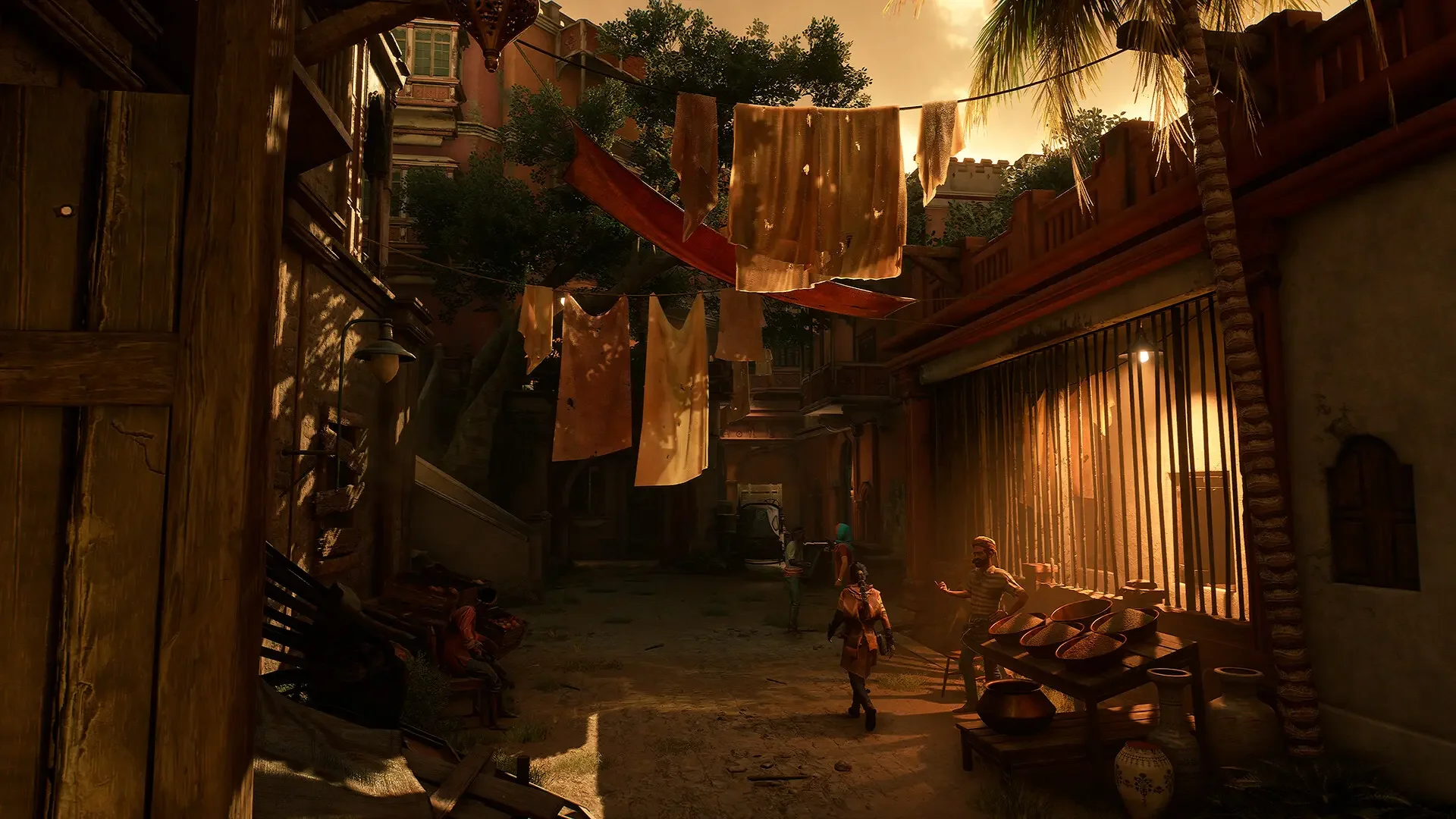
That upgrade creates a familiar tradeoff: carry more and make a trip more productive, but put more of its potential reward at risk if something goes wrong. The trailer shows threats ranging from strange creatures and local wildlife to harsh weather and difficult terrain. Mountains and swamps can obstruct travel, while a snowy area makes even walking a challenge. These obstacles could give route planning real weight, though the footage alone can’t show how much choice players will have or how often hazards will force them to change course.
The cargo system also gives the mode a clear organizing idea. Packages aren't just objectives to collect; they determine what players bring through the map and what they stand to lose along the way. If the carrying upgrades meaningfully affect decisions, a delivery can become a judgment call about how much risk to accept. If they only increase capacity, the loop may settle into a straightforward routine.
Other players can help—or take the cargo
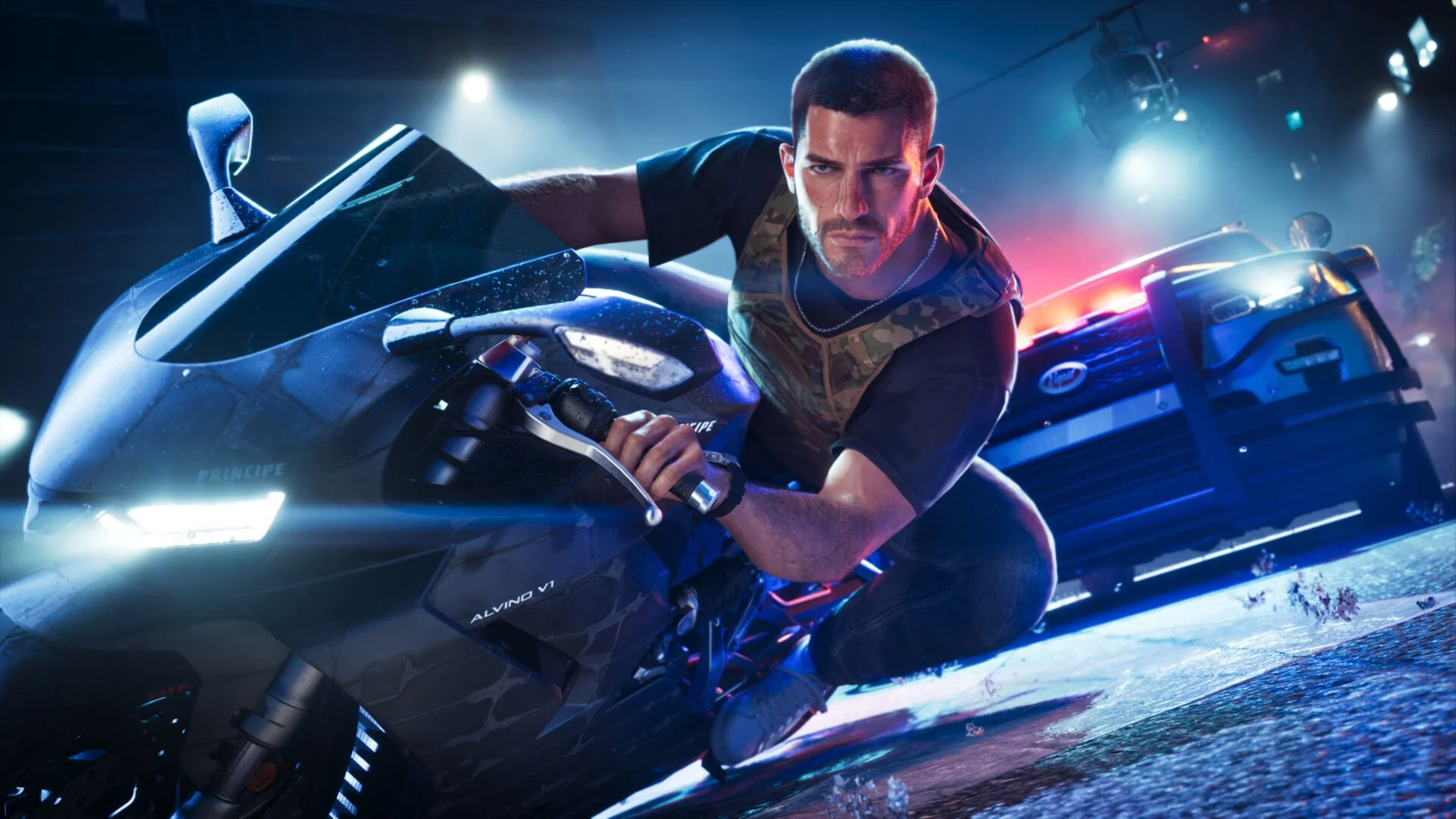
Farlands leaves encounters between players open-ended. They can cooperate or attack one another, with the option to knock down a rival and take their delivery for its reward. That choice gives the core objective a human risk: a package that survives the landscape may still be lost to another player. It also changes how players might read a stranger on the road. Someone nearby could be useful backup, a threat, or both.
That uncertainty is a strong fit for delivery play because it makes the route less predictable without requiring every obstacle to come from the environment. But open-ended encounters can cut both ways. A player who wants to deliver safely may avoid contact, while one hunting for cargo may have every reason to pursue it; the mode will need to make those competing approaches engaging. And this is the part most people overlook: the tension depends on what players can lose, not simply on how many ways they can fight.
The trailer frames successful deliveries as a way to expand an operation. Its narrator urges players to “deliver well,” linking payment to the ability to “build bigger” and acquire “better gear, better facilities” and “a stronger operation.” That suggests deliveries feed into progression beyond the immediate match, though the trailer doesn't explain the full structure or how much those upgrades change play. The second half shifts from that premise to gameplay footage, showing vehicles, equipment and combat against various threats. Character cosmetics also appear as unlockable rewards.
A new direction for a shooter with a shrinking audience
Farlands extends a game whose original identity rests on Shard Cards. Those cards alter the rules of FragPunk by granting abilities and equipment, adding unexpected turns to its competitive shooter format. The studio says no Shard Card is locked behind a paywall. Farlands takes the game in a different direction: instead of centering each match on card-driven combat, it puts delivery, travel and the handling of risk at the center.
At launch last year, the game drew praise for its art direction and card system. Our review scored it 7 out of 10, citing those strengths and the twists they brought to the familiar shooter formula. Since then, FragPunk has struggled to hold a steady audience; SteamDB has recorded regular concurrent player counts of only a little over 1,000. Those figures point to a retention problem, though they don't tell us why players left or whether Farlands will bring them back.
Here's the thing: adding a distinct mode gives the studio another way to make the game feel fresh, but novelty alone won't sustain it. The delivery loop needs enough variation in routes, hazards and player encounters to make repeat trips worthwhile. The numbers here are underwhelming, and Farlands gives Bad Guitar Studio a chance to offer a more substantial reason to return.
What Farlands needs to prove
The mode's promise rests on several systems working together. Cargo capacity needs to create meaningful choices, environmental threats need to affect how players travel, and encounters need to make cooperation and conflict feel like real options. If you're working in this space, you'll recognize the design challenge: each system can sound compelling in isolation, but the experience depends on how they interact during a run. A delivery that combines several risks could be tense; a route that becomes routine could drain the idea of its appeal.
That said, the trailer establishes a premise, not how it holds up over repeated play. Farlands gives the studio a distinct way to broaden the game’s play loop, though its delivery risks and progression will need to make the long trips compelling in practice. A promising pitch. FragPunk is available on PC, PS5 and Xbox Series X/S. Bad Guitar Studio hasn’t announced a release date for Farlands.

Discussion
Sign in to join the discussion.