Activision’s Tyler Bahl champions GTA 6 and Call of Duty: Modern Warfare 4 as 2026's biggest titles, igniting discussions amidst a crowded gaming landscape.
Recent months have seen major game releases strategically timing their launches to steer clear of Grand Theft Auto 6, the highly anticipated title from Rockstar. The gaming industry is no stranger to these kinds of calculated decisions, as publishers often seek to avoid the overshadowing effect of behemoth titles. It’s a matter of survival—when a potential juggernaut threatens to dominate sales and player attention, other games would rather retreat than face an uphill battle for visibility. Notably, it seems The Legend of Zelda: Ocarina of Time remake could be entering the fray, but they’re not set to clash on release dates, which creates an interesting dynamic. Timing becomes critical in a saturated market; that’s just the way it is.
Activision's Stance Amidst Giants
Tyler Bahl, Activision's Chief Marketing Officer, made his stance clear in a statement to The Game Business: “No offense to Zelda, but [GTA and Call of Duty] are the two biggest games of the year. The influx of players returning to their consoles to engage with these titles ultimately benefits us.” This isn’t just marketing fluff; it’s a strategic acknowledgment that in the crowded field of gaming, titans like GTA and Call of Duty shape consumer behavior. If those big players pull gamers back into their consoles, other titles can benefit from that renewed interest in gaming.
What's significant here isn’t just the acknowledgment of competition; it’s an understanding of the community sentiment. Bahl’s comments highlight a broader trend in which publishers recognize the social dynamics of gaming. And yet, when you boil it down, a statement like his also reveals a hint of rivalry. While Bahl is respectful, there’s an underlying message: protecting their brand is paramount at a time when attention is everything in the gaming sphere.
The Loyalty Behind Call of Duty
This statement resonates, especially when considering Call of Duty’s track record as a reliable revenue source for Activision. The franchise has established itself as a titan in the industry, with past installments raking in significant sales despite mixed reviews. Titles like Modern Warfare 3 and Black Ops 7 faced critical scrutiny, but that hasn’t deterred its dedicated fanbase who consistently return for each new installment. Bahl emphasized, “What really keeps Call of Duty relevant is community and social interaction. Players value experiences with friends over just combat mechanics.” This highlights a crucial shift in gaming; it's not all about gameplay. It's about building social bonds through shared experiences.
That community aspect is where many critics overlook a vital piece of the puzzle. The revenues generated by the franchise aren’t solely driven by gunplay but by social dynamics integrated within the player base. Players often seek those communal experiences that allow them to connect, and this strategy directly plays into the publisher’s release plans. In an age where digital interactions can open up opportunities for connection, Activision seems to be tapping into precisely that.
Market Impact and Expansion Strategies
Activision’s outreach appears to be expanding interest in gaming as a whole. “If more people are discussing games and there's heightened media attention, it ultimately benefits everyone, including us,” Bahl noted. This sentiment reflects the interconnectedness of the gaming market, particularly as Modern Warfare 4 gears up for launch. As the gaming community buzzes with news and excitement, the benefits can radiate throughout the entire industry, even for those titles that might be overshadowed by launch titans. This interconnectedness speaks volumes about how both competition and camaraderie coexist in gaming.
It’s fascinating to observe that as discussions soar around titles like GTA, the overall gaming ecosystem thrives. If you're working in this space, you'll notice how important it is to capitalize on trends and pathways of communication among players. Everyone seems to gain something—whether it’s revenue, traction, or finally getting your foot in the door with a new audience.
The Road Ahead for Modern Warfare 4
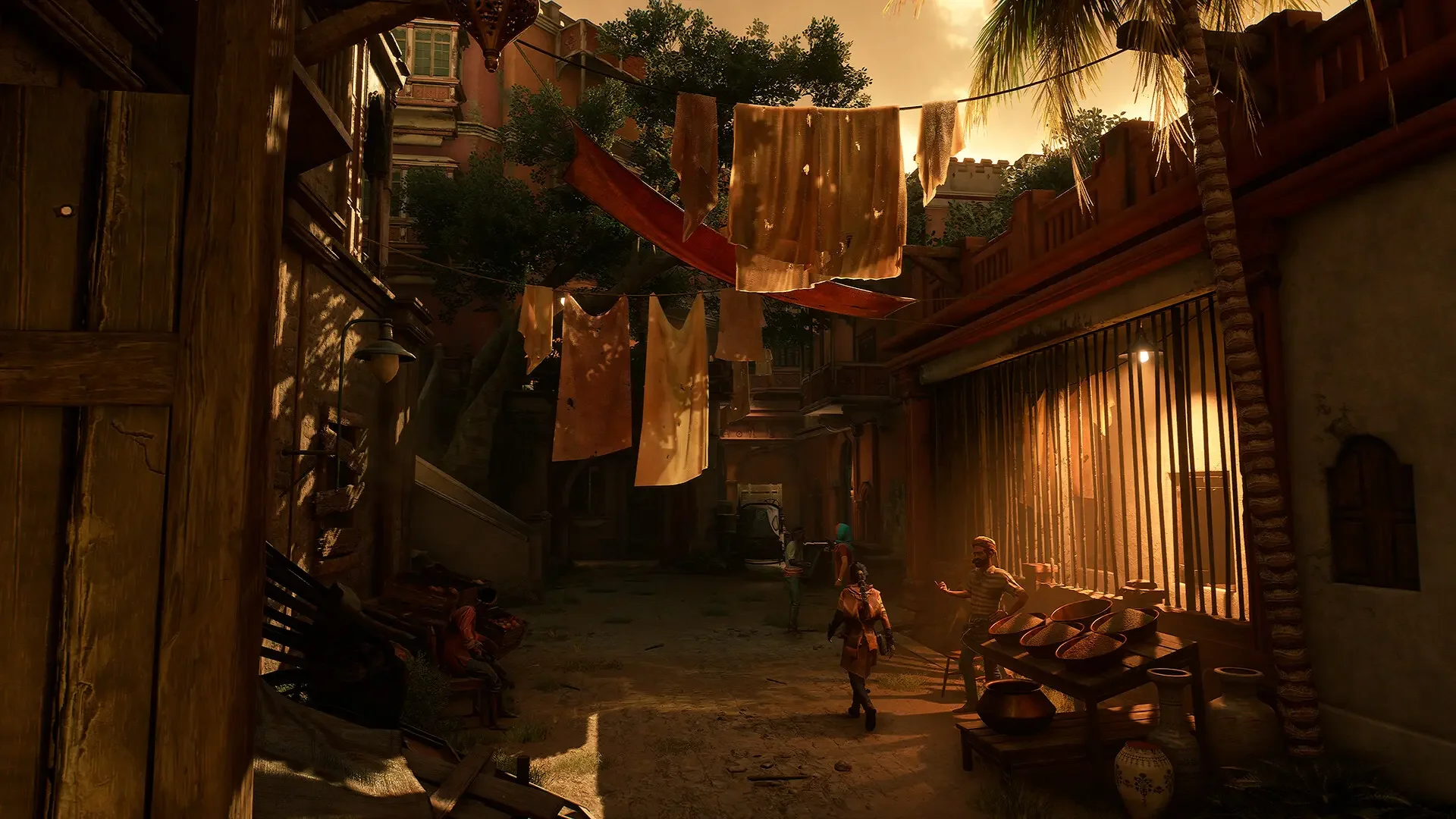
The pre-order campaign for Modern Warfare 4 has already begun, offering early access starting tomorrow, ahead of the official launch on October 23rd. Players can look forward to the DMZ mode set in the newly introduced Hajin City, which goes live on October 20th. Existing players and newcomers alike are excited about the fresh environments and gameplay options available, although the option to engage solo remains intact. Maintaining the multiplayer experience is essential to keeping the community engaged, expanding its audience, and adjusting to the shifting dynamics of the modern gaming player base.
With Call of Duty: Modern Warfare 4 hitting consoles and PC, including the newly released Nintendo Switch 2, anticipation runs high. Whether this will be the year that the series sees return to its peak sales remains to be seen. The franchise needs to stay relevant not just through new features but also by fostering communities that will defend it against the pulls of competing behemoths. All eyes will be on how it performs in the market and whether it can manipulate the social interactions among gamers effectively. (And this is the part most people overlook.) If it successfully balances immersive gameplay with engaging social features, it may very well reinforce Activision's stronghold in this segment.
Looking Ahead: Implications and Insights
The current trends reveal a delicate balance between competition and collaboration in the gaming market. Activision’s moves suggest they're not just aiming for short-term gains; the strategy also signals long-term community building and increased interest in gaming as a communal activity. This goes beyond just numbers—it’s about the human experience behind every console and every online match. While the excitement for titles like GTA inevitably draws crowds, it also creates an interesting opportunity for adjacent games to stake their claim in player discussions and interactions.
This interconnected future of gaming prompts questions about what will happen next. With technology in gaming progressing, the focus seems destined to shift toward community enrichment, and without a doubt, titles that embrace social elements will likely thrive. As Activision prepares for a crowded release, they’ll need to keep the lines of communication open while maintaining the integrity of their own franchise. The industry's future will hinge on how these relationships evolve—both between players and entities behind the games they love.

Discussion
Sign in to join the discussion.