The Witcher 3: Wild Hunt – Remastered revitalizes the classic RPG with modern gameplay mechanics, improved graphics, and a commitment to community modding.
Revitalizing a Classic
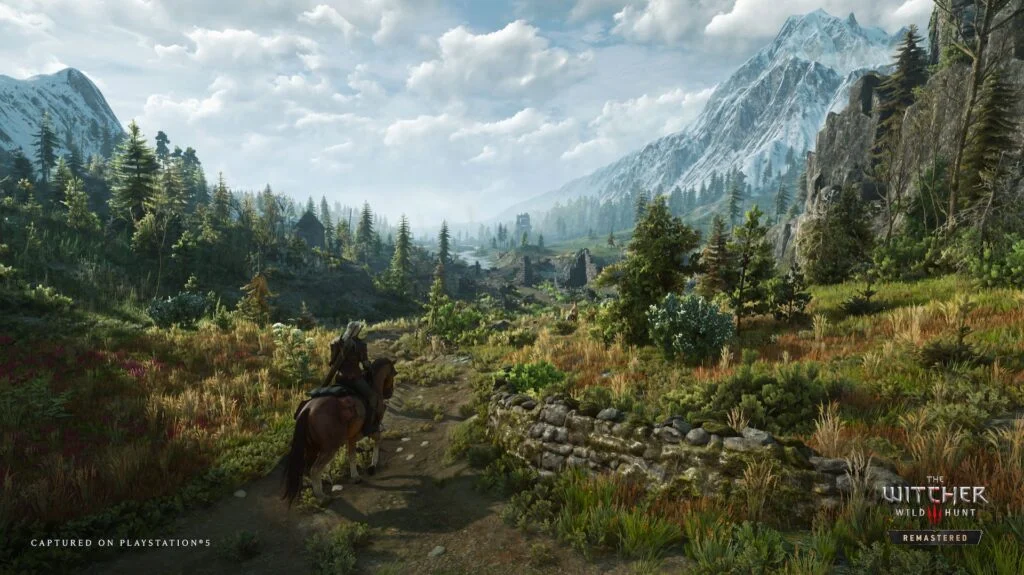
CD Projekt RED's release of The Witcher 3: Wild Hunt — Remastered is a significant milestone for a game that has captivated audiences for over a decade. The studio has embraced the expanding modding community and focused efforts on modernizing gameplay while preserving the essence that made the original title a beloved classic.
The Journey to Remaster
The development scope of the remaster extended as the team revisited The Witcher 3 alongside its upcoming expansion, Songs of the Past. Oleg Shatulo, a key developer, expressed that rather than isolating specific features, the team looked at the entire experience and pinpointed meaningful improvements across various aspects like visuals, combat, and overall quality of life.
Modding Roots
Development studio Yigsoft, which has roots in The Witcher 3 modding, played a significant role in shaping the remaster's direction. Bence Hambalkó highlighted how the team’s history in the community informed their approach, ensuring that enhancements aligned with player expectations while respecting the original’s foundation.
Embracing Existing Mods
With significant changes implemented in Remastered, including gameplay mechanics and visual assets, one vital question arose: how would existing mods adapt? Hambalkó noted that while most transitions should be straightforward due to the groundwork laid by REDkit’s annotations, some modifications would be inevitable. The studio aims to facilitate a smooth process for mod creators via a dedicated Discord channel for ongoing support.
Balancing Modernization and Identity
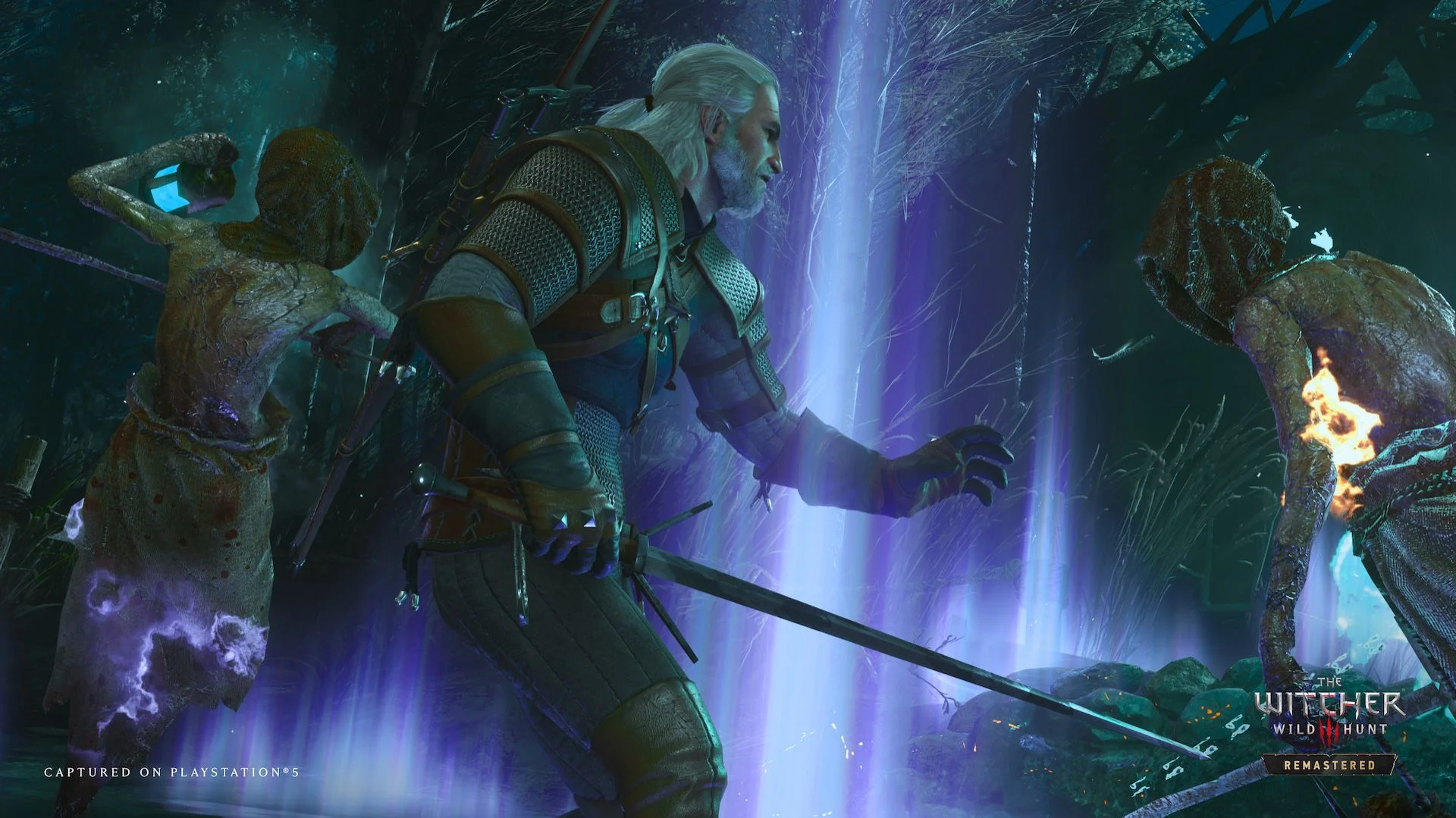
Some gameplay adjustments, such as a revamped combat system, offer options for those who prefer the previous style. Identifying which changes enhanced the game versus which could undermine its identity was essential during development. Continuous playtesting and community feedback shaped the decision-making process for these adjustments.
Integration with Future Content
Although Remastered stands separate from Songs of the Past, collaborative dialogue between the two development teams ensured mutual benefits. Hambalkó pointed out that when implementing new technology and lighting, these decisions were reflective of needs from both projects, guaranteeing a cohesive game world for future expansions and community content.
Challenges of Collaboration
The cooperation between Yigsoft and Fool’s Theory, along with CD Projekt RED's oversight, presents a unique challenge in maintaining a unified vision. Hambalkó emphasized the importance of aligning priorities and establishing effective communication amongst the three teams to ensure the final product remains true to The Witcher 3 experience while also integrating new elements.
Rediscovering the Original
Revisiting a title from eleven years ago prompted developers to reevaluate many design decisions. Shatulo remarked on the enduring quality of choices made during the game's original development, shedding light on aspects that still resonate today. However, he noted the necessity to adapt to modern player expectations regarding controls and overall accessibility, striking a balance between legacy and progress.
Goals for the Remaster
From the outset, the ambition for Remastered wasn't to overhaul but to enhance. Shatulo clarified that they intentionally avoided transforming The Witcher 3 into a completely different experience. Every adjustment, be it mechanical or visual, was carefully weighed for its impact on the player's experience, with fidelity to the original always the priority.
Technical Specifications
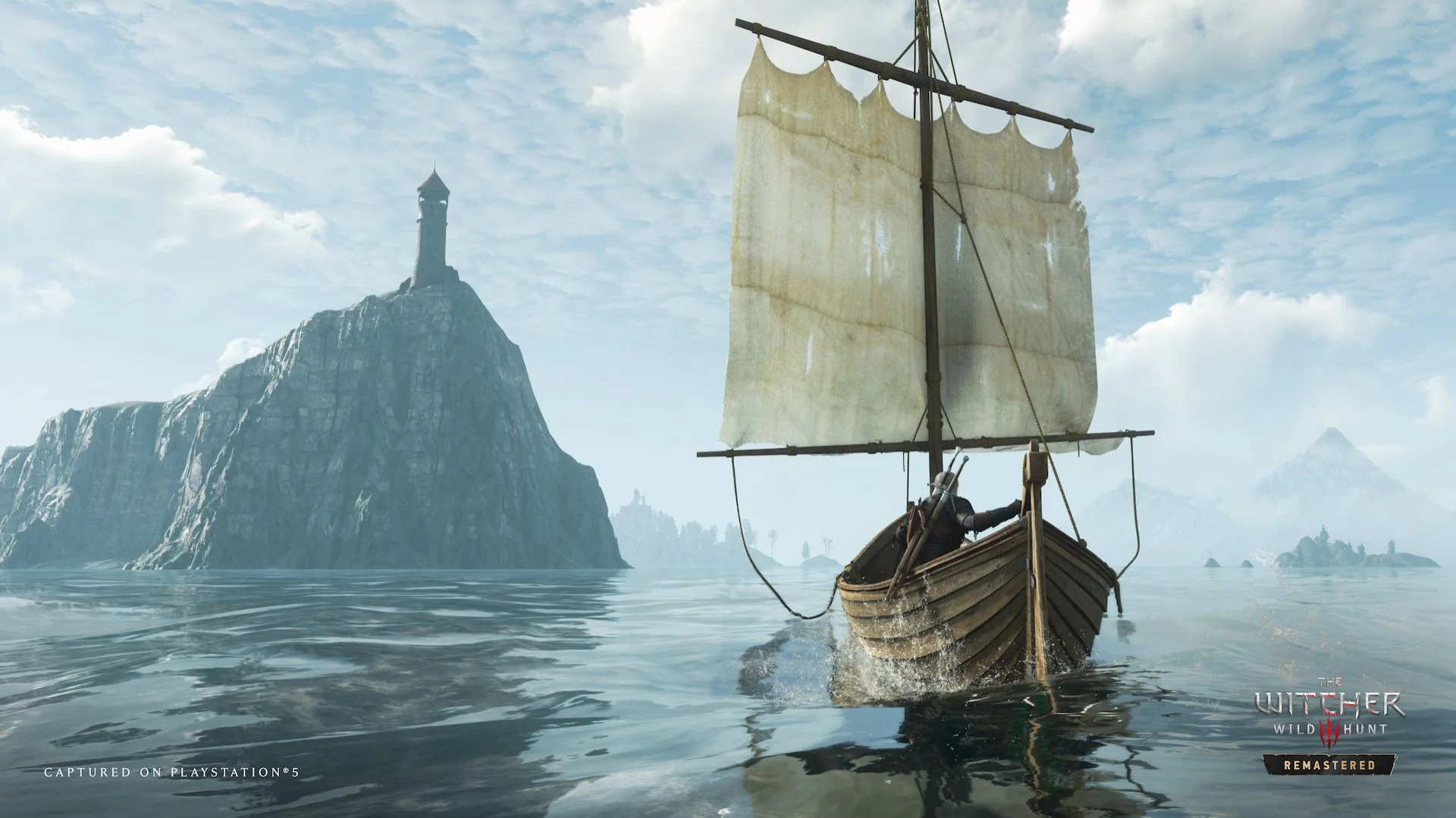
For gamers eager to experience the technical side of the remaster, The Witcher 3: Wild Hunt — Remastered offers enhanced graphical modes across various platforms. On PlayStation 5, players can choose between a Ray Tracing mode targeting 30 FPS with ray-traced global illumination or a Performance mode reaching 60 FPS, both utilizing dynamic resolution scaling.
On the PS5 Pro, the game maintains two modes but capitalizes on enhanced hardware to reach higher resolutions and frame rates. The Ray Tracing mode aims for 60 FPS, while Performance mode can hit up to 100 FPS with VRR and HFR enabled.
Moving to Xbox Series X, the experience aligns closely with PlayStation, offering similar mode options. The Xbox Series S maintains Quality and Performance modes at lower resolutions but aims for responsive gameplay. Nintendo Switch 2 targets 720p in handheld mode and 1080p when docked, adjusting frame rates accordingly for smooth performance.
Leveraging the PS5 Pro
The PS5 Pro brings significant improvements over its predecessor, enhancing the remaster with higher performance and quality visuals. Shatulo highlighted that by leveraging the console’s new capabilities, both graphical modes achieve higher targets. The introduction of PSSR further augments visual fidelity, solidifying Remastered as a testament to how a classic can evolve while staying true to its roots.

Discussion
Sign in to join the discussion.