The Witcher 3: Wild Hunt Remastered delivers impressive visual upgrades and gameplay changes that enhance the acclaimed RPG experience.
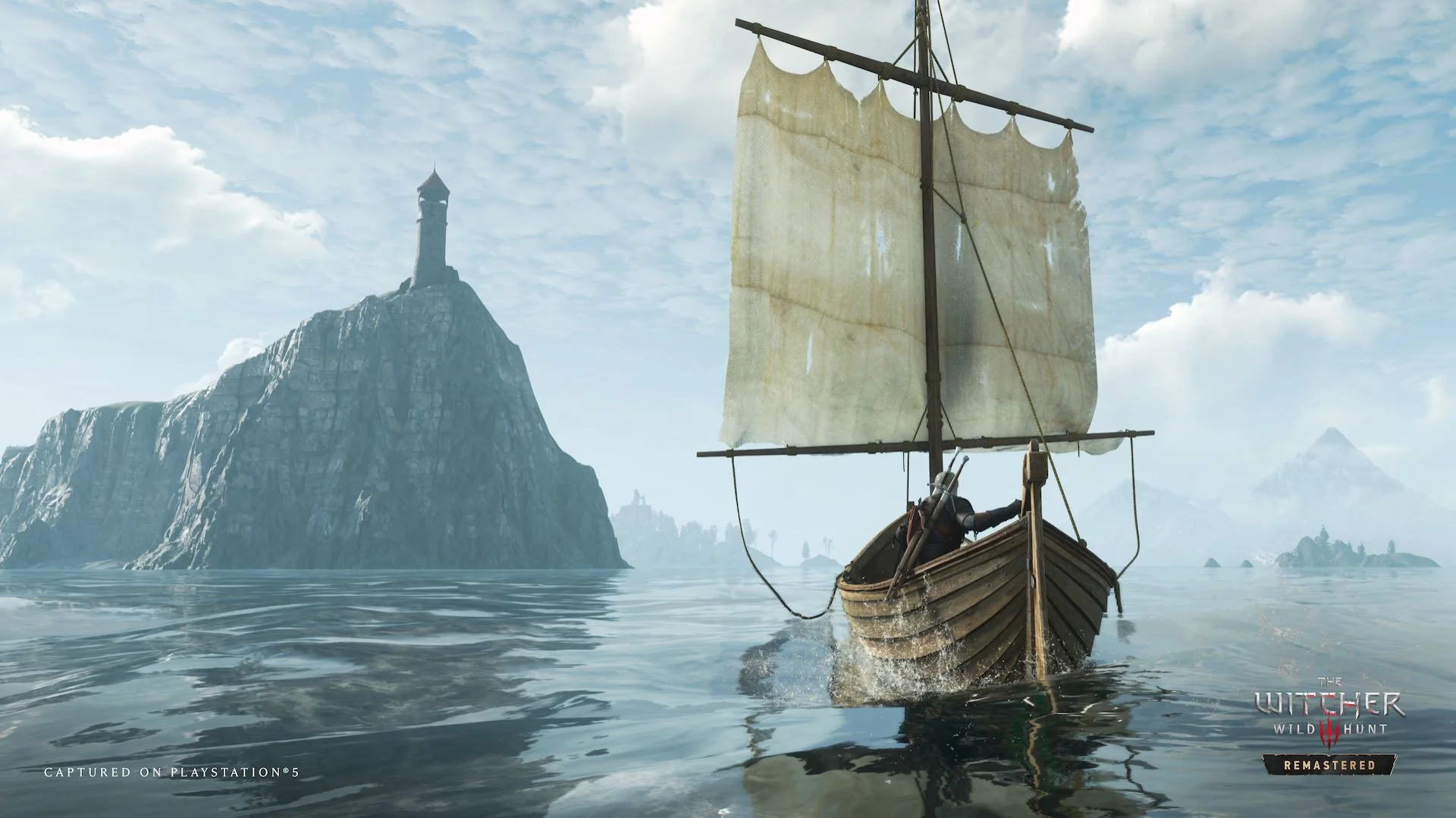
The anticipation surrounding The Witcher 3: Wild Hunt – Remastered came as a surprise to many, particularly after its stunning reveal at Gamescom Opening Night Live. While gameplay enhancements like new finishing moves and an adaptive camera grab headlines, the visual improvements warrant equal attention.
First released in 2015, The Witcher 3 has retained its allure, but CD Projekt RED aims to elevate the experience further, making it difficult to revisit the original version. The question remains: how significant are these visual upgrades, especially considering the robust Next-Gen Update rolled out in 2022? Let's break down the enhancements:
A Leap from the Next-Gen Update
The Next-Gen Update was a monumental moment for The Witcher 3, introducing native support for Xbox Series X/S and PS5. It also brought advancements like ray-traced global illumination and ambient occlusion. The PC variant offered even greater enhancements with optional ray-traced reflections and shadows. This upgrade also beautified vegetation, water, and sky textures, all while introducing an Ultra+ setting that allowed for impressive boosts in detail and environmental density.
Fast forward to the remaster—CD Projekt RED has pushed the visual envelope by including support for DLSS 4.5, FSR 4, and XeSS 2.0, alongside an array of new features like Path Tracing and a reconfigured global lighting system. Given the strong foundation provided by the Next-Gen Update, the remaster exemplifies an ambition to achieve greater artistic and technical heights.
Illumination and Mood Enhancements
The new lighting systems are immediately apparent, especially in notable scenes, such as the flashback sequences set in Kaer Morhen. The ambient warmth and softer shadows lend a more natural and immersive vibe to the environment. The global ambient occlusion demonstrates impressive performance, enhancing the realism of light interactions with various materials and surfaces. For players who enjoyed the harsher shadows of the previous update, this iteration offers a thoughtful balance while preserving the mood of each scene.
Ray Tracing Takes Center Stage
Path Tracing stands out as the showstopper among the remaster's visual upgrades. While the Next-Gen Update introduced ray tracing effectively, the remaster refines it to new levels of clarity, even impacting surfaces that aren’t overtly reflective. One key moment occurs when Geralt steps onto the balcony in Kaer Morhen, where his reflection casts beautifully on the tiled floor beneath him. Shadows have also received a boost, appearing more naturally integrated into the environment, even under bright conditions.
Richer Visions of the World
In terms of world density, the remaster excels, particularly in the lush landscapes surrounding Kaer Morhen. The visual density is more pronounced, contributing to a richer experience as players navigate familiar territories. A closer examination reveals improved environmental detail throughout locales like White Orchard, where the remaster enhances the fullness of foliage and tactile textures, driving immersion in both lush forests and open fields.
Character and Object Textures
The texture quality has not seen dramatic shifts, yet subtle improvements are evident. Notably, lighting effects now accentuate details on Geralt's armor, revealing intricate features like dents and textures that bring his character to life. Items as mundane as bread and cups are given new visual flair, becoming more dynamic under pooled light—an elegant touch that enhances realism.
Draw Distance and Environmental Complexity
Environmental complexity is an essential aspect of The Witcher 3 experience. The remaster holds its own when assessing draw distance and visual clarity. While some pop-in artifacts do appear when traversing rapidly through terrain, they largely go unnoticed during regular exploration, which allows players to relish the attractive landscapes.
New Features in Character Models
Character models enjoy significant upgrades, exhibiting greater vibrancy and detail thanks to high-resolution textures. However, one of the most notable enhancements is Path Traced Hair, allowing Geralt’s hair to shift and respond realistically to movement, particularly when he's riding across the scenery. This enhancement effectively immerses players even further in the game's vibrant world.
Breathing Life into Weather and Environmental Effects
Weather effects, such as mist and rain, feel more organic in the remaster. Kaer Morhen’s mist flows smoothly, enhancing the landscape's dynamism. Water visuals see improvements too, especially under Path Tracing, adding depth to reflections while maintaining a level of realism in surface movement. As players navigate thunderstorms and other atmospheric conditions, they'll notice greater nuance in lighting without detracting from the tension of a foreboding scene.
A Look at Image Quality and Performance
Our testing setup—a formidable AMD Ryzen 7 9850X3D paired with an Nvidia RTX 5080 and 64GB of DDR5 RAM—yields impressive performance metrics. Running the remaster at 4K on RT Ultra and Ultra+ settings netted consistently between 70 and 100 FPS, even under heavy graphical loads. Occasional hitches arise when accessing menus but don't detract from the overall visual fidelity that players can expect.
A True Remaster
After examining the remaster's various enhancements, it's clear that The Witcher 3: Wild Hunt – Remastered stands as a legitimate next step for the series. With visual and technical improvements that surpass the Next-Gen Update, CD Projekt RED has crafted a transition worthy of the title. Best of all, current owners will receive these advancements at no extra charge, making it an easy decision for anyone still navigating the treacherous yet stunning world of The Witcher.



Discussion
Sign in to join the discussion.