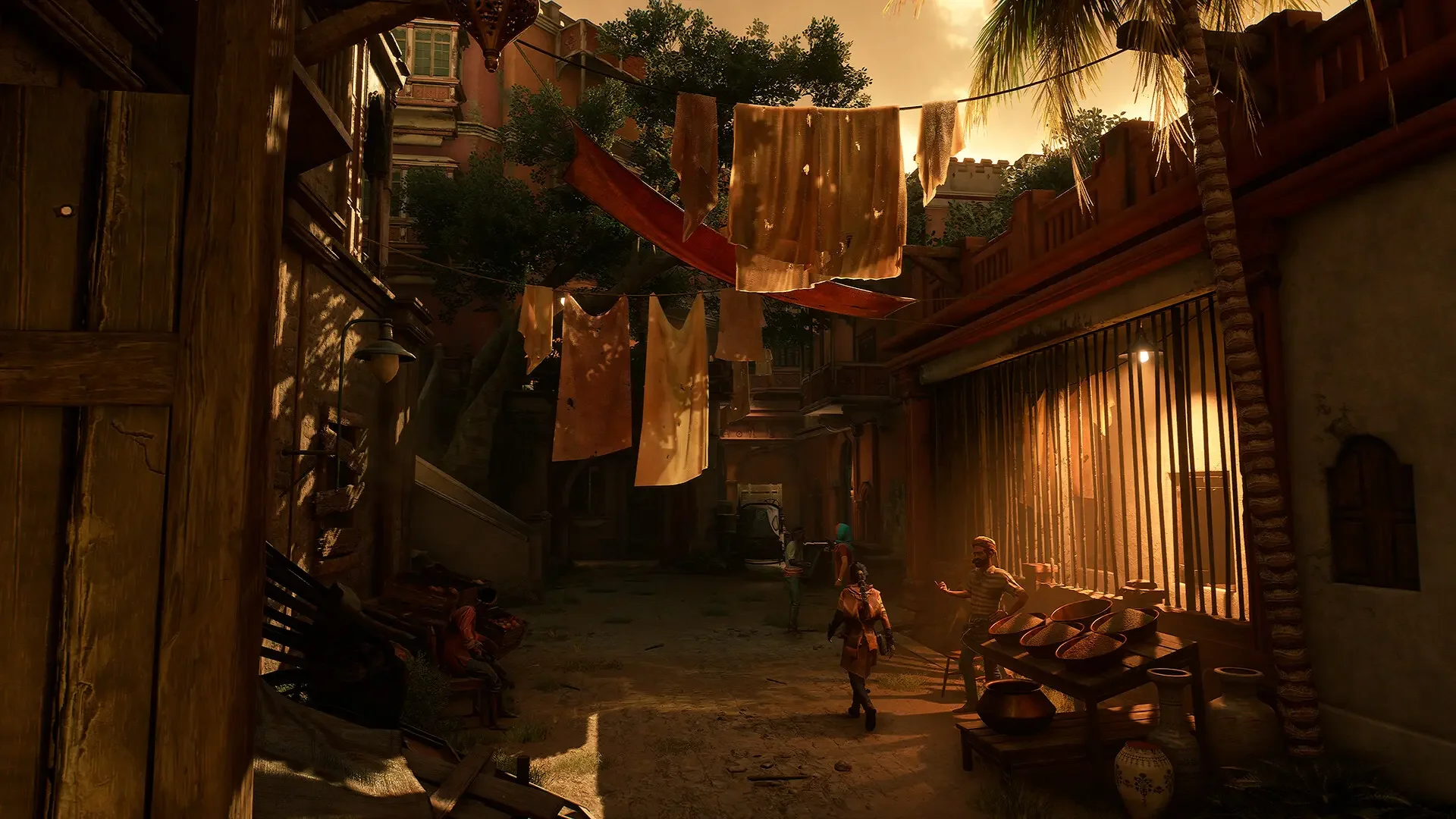
Bungie's aborted Payback project was designed to attract new audiences to the Destiny universe through open-world exploration and hero-focused gameplay.
Bungie's Ambitious Plans for a New Game
Recent insights from Bloomberg's Jason Schreier reveal that Bungie had aspirations for a new game titled Payback, set within the familiar Destiny universe. Originally considered a spin-off akin to Destiny 3, this third-person project was ultimately scrapped in the summer of 2024. The decision to overrule a project that could have expanded the Destiny mythology strikes at the heart of Bungie’s ongoing struggle to innovate while holding onto its loyal fanbase.
Creative Direction and Gameplay Innovations
Led by key figures like Luke Smith and Mark Noseworthy, Payback promised to be a significant departure from the franchise's established norms. Bungie's aim appeared to be not just to engage with existing players, but also to bring in a new audience unfamiliar with Destiny's complex lore. That's no small feat, especially given how entrenched many players are in the game's intricate narrative and mechanics.
Schreier points to influences from games like Genshin Impact, suggesting Payback would have emphasized hero-centric playstyles along with open-world exploration and puzzle-solving. This choice of direction indicates Bungie's recognition of the shifting tastes in gaming; players are increasingly drawn to more narrative-driven and exploratory experiences. By looking to attract new players, Bungie was also acknowledging the aging demographic of current Destiny participants.
If you're working in this space, you understand how important it is to keep the player base fresh. Yet, the challenge is to innovate without alienating longtime fans who might resist changes to core mechanics. Bungie tried to position Payback as a bridge to this dual audience, which is a balancing act few studios have managed successfully.
Challenges with Onboarding New Players
This effort reflects ongoing challenges within Destiny 2, where onboarding for new players has faltered. The game's content vaulting has brought criticism and confusion. When past expansions and campaigns are suddenly made unavailable, newcomers find themselves at a disadvantage, lacking the background and context to fully engage with ongoing story arcs. By attempting to launch Payback, Bungie aimed to address these issues head-on by creating a title that would ideally serve as an accessible entry point.
Bungie's ambition to reposition its offerings to rekindle interest among potential new audiences speaks volumes about its recognition of these problems. And yet, scrapping Payback could indicate that the studio is struggling more with these systemic issues than it would admit. Were they unable to find the right design balance, or did internal challenges lead to a lack of confidence in this new project?
Restoration and Retrofitting in Destiny 2
Recently, Bungie reaffirmed its commitment to the Destiny franchise by announcing plans to reintegrate previously vaulted content, including fan-favorite campaigns like the Red War and Forsaken. The studio acknowledged that the removal of content significantly impacted player trust. Players were left feeling disconnected from the evolving world due to these controversial content decisions. By bringing back these pivotal experiences, Bungie seems to be trying to mend its relationship with the community.
“Destiny 2 is more than just the content itself. It is a place where players have built memories together,” Bungie stated, demonstrating an awareness of the emotional investment players have in the game. However, this reintroduction of old content into the current Destiny 2 engine presents significant hurdles. Aligning legacy environments with modern standards is no trivial task and demands extensive updates. This retrofitting could introduce new complications or bugs that need addressing before players can enjoy these classics.
Looking Ahead to Marathon
Meanwhile, Bungie is advancing work on Marathon, targeted at providing a deeper survival experience that transcends typical genre norms. The upcoming update for Marathon, expected in December, will introduce new features such as a team deathmatch mode and a dedicated PvE mode. This indicates that while Bungie faces challenges with Destiny, it remains committed to exploring new creative avenues.
Implications and Future Outlook
The unfolding developments within Bungie suggest a firm commitment to not only expanding the Destiny universe but also rejuvenating it with fresh gameplay experiences that appeal to both existing fans and potential newcomers. However, the scrapping of Payback raises questions about Bungie's ability to adapt amidst emerging competition. As the gaming industry continues to evolve, Bungie's reliance on nostalgia could limit its effectiveness in attracting a younger audience, who may prioritize different gaming experiences compared to the original Destiny community.
And this is the part most people overlook: the uphill battle of innovation in a franchise that has built its identity over years of gameplay. With the delicate balance of maintaining its established fan base while seeking to innovate, Bungie must tread carefully. Too much change can alienate devoted players; too little can render a franchise stale.
In a landscape where new IPs are emerging constantly and genres are blending, Bungie's decisions in the coming months will be telling. From restoring classic content to launching new experiences like Marathon, each step could either strengthen or jeopardize its community's trust. Only time will reveal whether these efforts will pay off for Bungie and the Destiny franchise.


Discussion
Sign in to join the discussion.