Control Resonant's new Assist Mode allows players to customize combat difficulty, ensuring a tailored experience that suits different play styles.

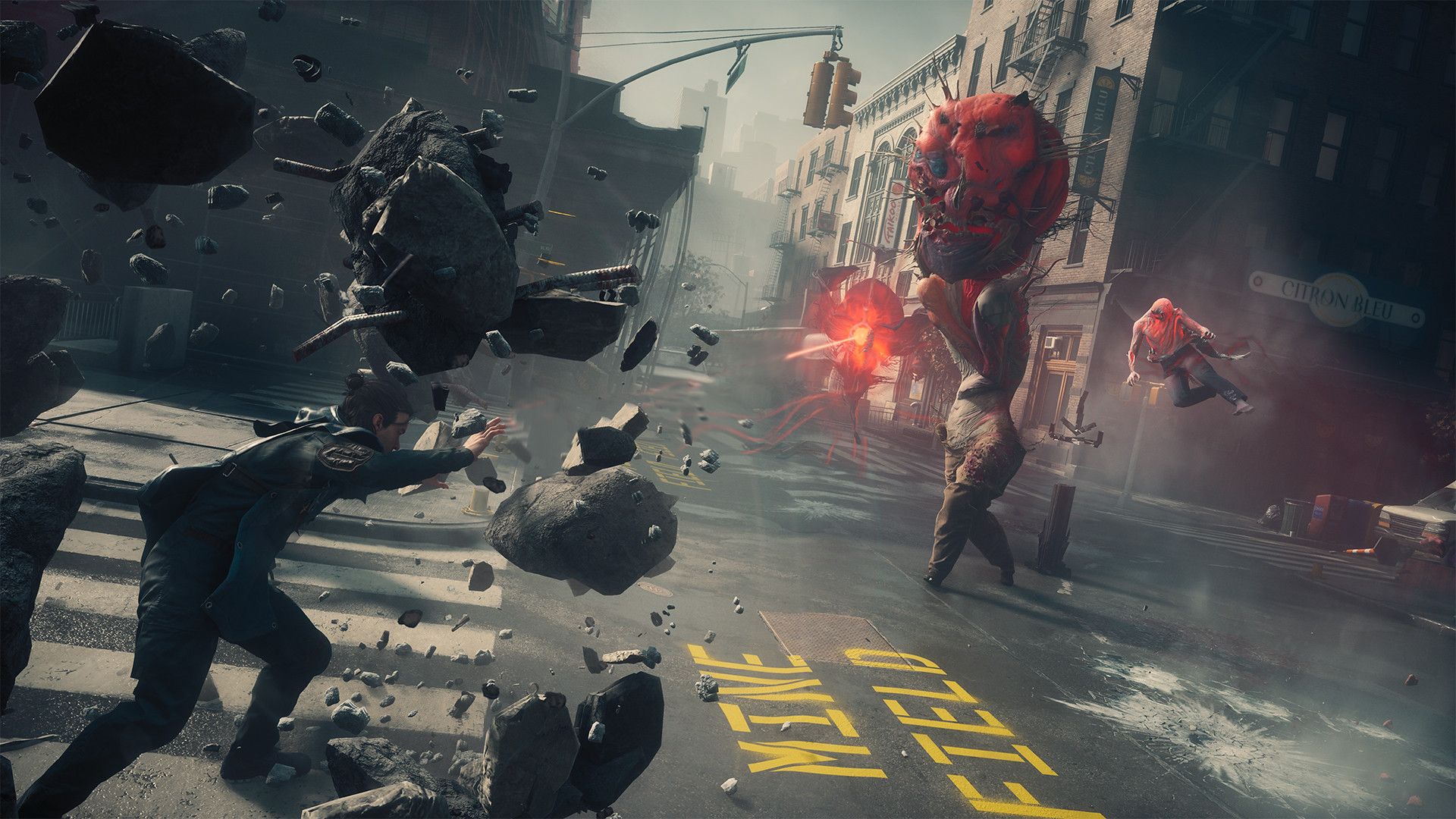
Sergey, Lead Gameplay Designer on Control Resonant, shared insights into the significant advancements being made before the game’s September 24 launch. Players will encounter a novel combat system focused around Dylan's shapeshifting melee weapon, the Aberrant, which demands both skill and strategy against various challenging foes.
Customizable Combat Experience
The innovative Assist Mode in Control Resonant aims to enhance player experience through extensive customization options. Unlike traditional games that often saddle players with rigid difficulty levels, this feature grants them the freedom to fine-tune gameplay elements that might be detracting from their enjoyment. With gaming communities increasingly advocating for accessible experiences, this functionality shows a keen awareness of varying player skill levels.

For instance, players overwhelmed by enemy attacks from multiple directions can reduce Enemy Aggression, a feature that acknowledges the frantic pace many games demand. Timing issues can be easily adjusted by tweaking the Perfect Dodge Window or lowering Enemy Projectile Speed. This meticulous attention to detail stems from the development team’s understanding that players express diverse reflexes and competencies, which is often overlooked in fast-paced combat games.
Assist Mode further allows players to adjust damage parameters. They can modify Incoming Damage, Outgoing Damage, and Outgoing Falter rates, significantly influencing how quickly enemies lose their posture and how players experience combat. Should managing Dylan’s abilities in chaotic battles become overwhelming, options to enhance Power Recovery Speed provide much-needed relief. Moreover, features to improve melee positioning ensure that even aggressive strategies don’t lead to excessive punishment on players.
If players wish to explore the narrative aspects of the game without the added pressure of intense combat, Assist Mode presents options like Immortality, One-Hit Kills, and One-Hit Falters. This approach shifts the emphasis from mindless battling to engaging with the story. In essence, Assist Mode empowers users to modify the challenges they encounter based on personal preferences, rather than being restricted to broad difficulty settings.

Experience Before Adjustment
Interestingly, the team designed Assist Mode to be adjustable only after players have engaged with the game, a choice that cultivates a more informed gaming experience. Requiring players to make settings decisions without prior knowledge of Control Resonant’s mechanics could lead to uninformed choices that ultimately detract from enjoyment. This setup allows users to activate or deactivate Assist Mode at any point in their journey.
This strategy encourages engagement with the game’s combat rhythm before they tailor settings to align with their preferences. Moreover, Control Resonant includes preset Assist Mode configurations that cater to different play styles and ease players into the game, making personalized adjustments more accessible as gameplay progresses.
Enhancing Challenge
In a notable departure from the first installment, Assist Mode allows for increased difficulty. The original game’s sliders permitted only easing of the challenge. Control Resonant marks a shift by offering players the option to ramp up enemy aggression, tighten the Perfect Dodge Window, and escalate Incoming Damage. This flexibility is essential for players seeking an intense gaming experience that scales with their abilities.
This recognition of diverse player preferences speaks volumes about the design philosophy behind Control Resonant. The development team's aim was to create an Assist Mode that caters to both ends of the spectrum—those who might struggle and those aiming for a more strenuous experience, acknowledging that not all players play for the same reasons.
Your Game, Your Rules
The design philosophy centers around player agency. Control Resonant embodies the idea that while the team values the crafted experience, gameplay friction shouldn’t deter enjoyment. The freedom to adjust rules creates a tailored experience, a notion supported by the increasing demand for player-centric design in gaming. Time is precious, and many players look for games that respect that.
Moreover, the achievement system doesn’t penalize players for using Assist Mode, fostering a flexible environment that encourages exploration of various gameplay styles without the fear of missing out on accomplishments. Control Resonant aims to respect players’ time and preferences, ensuring that they engage with the game on their own terms.
Anticipation is building for the arrival of Control Resonant, set to launch on PS5 this September 24. The excitement is palpable, and the team looks forward to welcoming players into the vibrant world of Manhattan.

Implications and Future Outlook
Control Resonant’s approach to player customization could set a precedent for future titles. If you’re working in this space, take a hard look at how this adaptive model influences game engagement. The success of Assist Mode might inspire developers to adopt similar frameworks in upcoming releases.
The ongoing push for personalization in gaming raises broader questions about accessibility in the industry. By creating more adjustable gameplay, studios could cater to a wider audience. We may witness a shift where other games embrace adaptable difficulties, allowing for experiences that can change over time rather than stick to a one-size-fits-all model.
This is more significant than it looks. The theory here is that player experiences can be genuinely improved through adjustments rather than static rules, potentially reshaping how narratives unfold in interactive entertainment.
Maybe (and this is the part most people overlook) this trend suggests a longer-term vision for gaming where enjoyment, rather than sheer skill or time investment, becomes the focal point. Game developers could rethink what success looks like, creating a new culture of inclusivity in gaming that fosters exploration, engagement, and creativity.
The future of gaming might just be a series of nuanced experiences, shifting alongside player efforts and desires.



Discussion
Sign in to join the discussion.