Tomb Raider: Legacy of Atlantis is making solid strides in development for Nintendo Switch 2, promising cinematic scale and smooth gameplay.
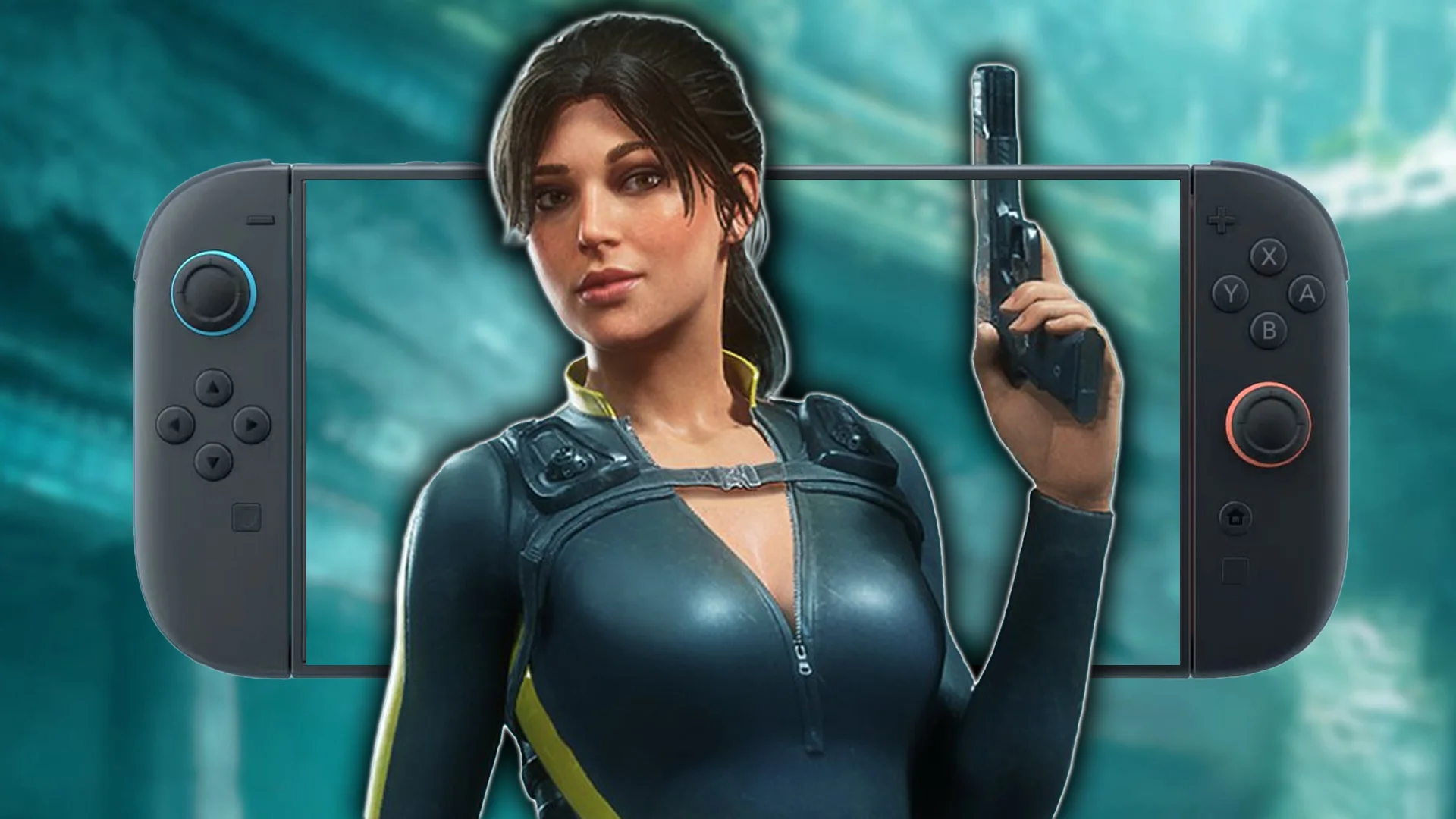
If the excitement around Tomb Raider: Legacy of Atlantis landing on the Nintendo Switch 2 could be captured visually, it’d definitely show a lot of happy faces. During a recent Q&A at Gamescom, the development team at Flying Wild Hog shared some promising insights about this adaptation. The Tomb Raider franchise has been a significant player in the gaming industry for decades, yet each new installment faces scrutiny regarding its ability to meet evolving player expectations and technological advancements.
Developers' Insights on Adaptation Challenges
In response to inquiries about the Switch 2 port, the developers affirmed they are collaborating closely with an external vendor. “We’re working very closely with the guys. So, so far, it’s going really well,” they explained. This assurance carries weight in an industry where outsourcing has become commonplace yet often results in mixed outcomes. Close collaboration with a trusted vendor may mitigate some of the risks commonly associated with this arrangement.
However, the team also acknowledged that adapting the game for the Switch presents unique challenges. “There are technological limitations with the Switch,” they noted. This isn't just about lower hardware specs; it reflects a broader issue developers face when scaling titles meant for powerful consoles like the PlayStation 5 and Xbox Series X|S to a less capable system. The Nintendo Switch has carved out a niche with its hybrid console-handheld capabilities, but it’s not without its compromises.
These challenges prompt a reconsideration of the traditional development approach. “We need to modernize the experience for PC and consoles, but the approach is reversed for the Nintendo Switch 2,” the team continued. This adjustment indicates a thoughtful strategy. The developers seem aware that they need to ensure the game remains engaging while managing performance limitations. It suggests there's both optimism and realism in their approach.
Gameplay Expectations: What to Anticipate
While we didn’t receive a firsthand look at the Switch 2 version during Gamescom, the team showcased a pre-alpha build played with an Xbox Series controller. Despite not being the Switch version directly, seeing the game in any form raises expectations. Insights from the official game website hint at a handheld experience that promises similar cinematic scale and fluid gameplay as its console and PC versions. Whether or not that promise holds up will largely depend on the optimization efforts mentioned earlier.
This leads to questions around key performance metrics that players have come to expect in contemporary gaming. The official description raises questions about content parity with the PlayStation 5 and Xbox Series X|S, particularly regarding frame rates and resolution capabilities. Gamers accustomed to smooth 60fps gameplay and 4K visuals on these more powerful platforms may be critical if the Switch version falls short in any area.
Whether the Switch version will achieve performance metrics like 60fps or exceed 1080p in Docked Mode remains to be confirmed, but early reports suggest an ambitious aim. This raises the stakes on the development team's ability to leverage technology efficiently. If you're working in this space, you understand that gamers are often unforgiving when it comes to perceived downgrades. The expectations are sky-high, and anything less than stellar could provoke backlash.
The Broader Implications for the Franchise
The adaptation of a beloved franchise like Tomb Raider to new hardware is more than just an exercise in porting; it encapsulates the shifting priorities within the gaming industry. Companies often aim for maximum audience reach, particularly by tapping into the popularity of hybrid consoles. If this version resonates with fans, it could open the door for future titles in the franchise on the Switch.
Moreover, there's a narrative emerging around how various platforms must cater to distinct gaming communities. Nintendo fans, for instance, have historically leaned towards more accessible and engaging gameplay experiences compared to the typically more technical expectations from players on platforms like Xbox and PlayStation. That said, this also risks alienating longtime fans who have grown accustomed to the higher standards of modern gaming.
There’s also the business aspect to consider. The Tomb Raider series has seen uneven success in mainstream adoption over the years. Adapting successfully on the Switch can bolster its standing and potentially reignite interest. After all, nostalgia often pays dividends in the gaming world. (And this is the part most people overlook.)
Community Engagement and Future Outlook
For ongoing updates and discussions surrounding Gamescom, join the community on the Pocket Tactics Discord. As the game's release approaches, developers need to keep communication open with fans who are eager for updates. This engagement can be critical in managing expectations and generating pre-release buzz. Stay tuned as more details about this exciting title unfold!
Ultimately, the question remains: Can Tomb Raider: Legacy of Atlantis live up to the high bar set by its predecessors while adapting to the unique constraints of the Nintendo Switch 2? Only time will tell, but the anticipation is palpable.

Discussion
Sign in to join the discussion.