Moonlighter 2 transitions to a modern 3D isometric style, shifting from its pixel roots, but still delivers engaging gameplay and familiar characters.
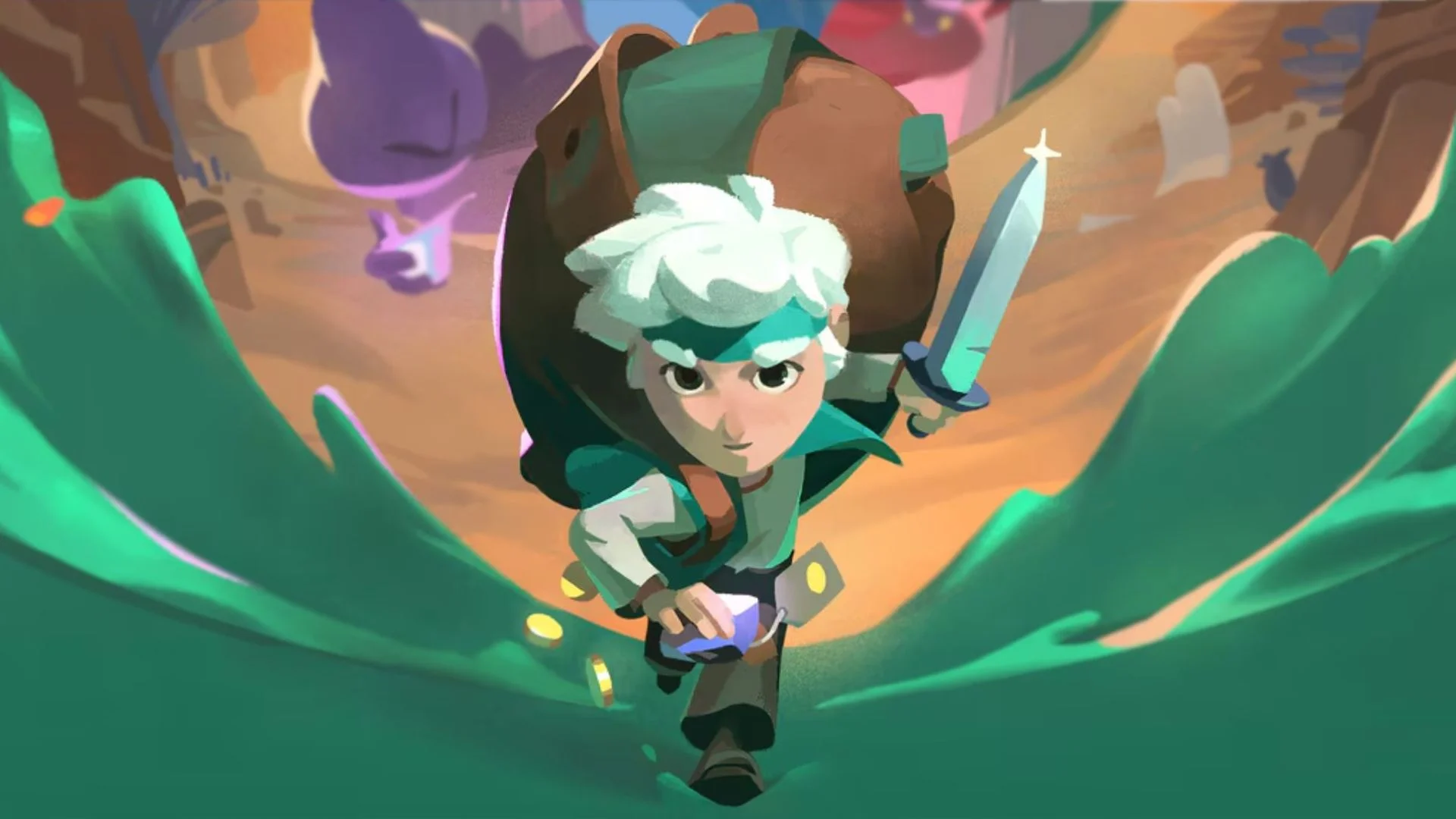
Shifting Visual Style
Shop simulators have a special charm, and Moonlighter stands out by combining dungeon exploration with retail mechanics. The recent announcement of Moonlighter 2: The Endless Vault has sparked interest but also some concern due to a significant visual overhaul. The shift from the nostalgic pixel art and top-down perspective to a smooth 3D isometric style is striking. For some, this move might seem like a departure from the whimsical aesthetic that defined the original.
Moonlighter's pixel art was more than just a visual style; it was part of the game's identity. Fans fondly remember the simplicity and beauty embedded in each character and environment, crafted pixel by pixel. This change in artistic direction could alienate long-time players who appreciated the original's unique look. However, a 3D isometric style can bring about richer textures and more dynamic environments, which could enhance the gameplay experience in ways that pixel art sometimes limits. You could argue it's a necessary evolution as the gaming industry moves toward more immersive graphics.
In the larger context of game development, visual style changes can serve as a double-edged sword. History shows us that franchises like *Zelda* and *Final Fantasy* have successfully transitioned from pixel art to 3D, often refreshing their narratives and gameplay mechanics alongside these shifts. Yet, not all changes have been welcomed; take *Battlefield* for instance, where fans lamented the shift towards unrealistic graphics at the expense of core gameplay elements. Whether *Moonlighter 2* can avoid this pitfall remains to be seen.
Familiar Gameplay with a Twist
Despite the visual changes, the fundamental gameplay remains intact. Players once again step into the shoes of Will, navigating through a town that’s undergone its own evolution. Following the alien encounters at the end of the previous game, players will find themselves in a new, interdimensional setting where setting up shop takes on a new dimension—literally. The blend of combat and commerce remains the heart of the experience, ensuring that core fans will find much to enjoy.
The thrill of combat—defeating monsters in various dungeons—intertwines with the satisfaction of managing a bustling shop. *Moonlighter 2* seems to promise more than just a rehash of its predecessor by introducing new mechanics that leverage the 3D environment. What’ll be interesting is how these elements evolve—will combat systems have depth beyond what we saw before? In a world where many titles offer endless iterations of the same core mechanics, it's refreshing to see a game attempting to push boundaries.
Moreover, the concept of interdimensional settings could imply new challenges, quests, and perhaps even aliens posing threats in novel ways. Exploring this dynamic could add significant replay value and deepen the player experience. However, introducing complexity can backfire if it's not done smoothly. After all, blurring the line between combat and commerce without balancing the core mechanics could frustrate players, especially those fond of the original game's simplicity. This is where attentive design becomes paramount.
Community Reception and Concerns
The gaming community often reacts passionately to significant changes in beloved titles. The major aesthetic shift in *Moonlighter 2* is drawing mixed reactions. On one hand, many players are excited about the modernized visuals and the potential for a more immersive experience. On the other hand, there’s a palpable fear among fans about losing the essence of what made the original so endearing.
Communities seem to have split opinions, with some categorizing themselves as traditionalists yearning for the pixel art while others welcome the transition to 3D as a necessary evolution. This divide isn't unique to *Moonlighter*; similar conversations have erupted around franchises like *Castlevania* or *Sonic the Hedgehog* whenever they attempted a visual overhaul. The implications for fan retention and engagement should not be underestimated; developers must tread carefully to balance innovation with respect for established loyal audiences.
(and this is the part most people overlook)—impact on indie game developers. They often draw inspiration from projects like *Moonlighter*. A shift in visual style might influence new projects that risk imitating the fresh 3D look, possibly sacrificing personal style for broader appeal. It raises the question: will the essence of indie charm be lost amid the push for high-definition graphics?
Implications and Future Outlook
The implications of these visual and gameplay changes could reverberate well beyond *Moonlighter 2*. If successful, it might set a precedent for other indie games contemplating similar transformations. Transitioning from pixel to 3D can yield both aesthetic appeal and enhanced gameplay, offering an opportunity to redefine a product for a new generation of gamers without alienating its current fanbase.
What does this mean for the gaming industry? As more indie developers tackle the challenge of maintaining essence while evolving graphics, we can expect a slew of titles exploring this visual dichotomy. However, this can also lead to an oversaturation of similar 3D titles—many adopting the visual style without the gameplay substance to back it up. That’s when fatigue sets in among players.
Beyond that, *Moonlighter 2* will face mounting pressure not only to deliver on gameplay but also to weave a narrative compelling enough for both old and new players. Developers might find themselves straddling an interesting line—inherent authenticity versus accommodating broader market expectations. The future trajectory of *Moonlighter 2* may well set a benchmark for how indie games evolve as audiences become increasingly diverse in their preferences and expectations.



Discussion
Sign in to join the discussion.