The iPhone Duo, Apple’s first foldable smartphone, promises to elevate mobile gaming with its innovative design and powerful performance.
The Foldable Smartphone Market: An Overview
The foldable smartphone sector has gained momentum over the last few years, driven by a wave of manufacturers eager to combine smartphone functionality with tablet-like experiences. Companies like Samsung and Huawei have already ventured into this terrain, each facing their own set of challenges and successes. Apple's entry into this market with the iPhone Duo in 2026 indicates a potential shift in consumer expectations and the competitive dynamics within the industry. Historically, foldable devices have struggled with concerns about durability and usability, but Apple appears to be focusing on solving these issues from the onset.
Design Focused on User Experience
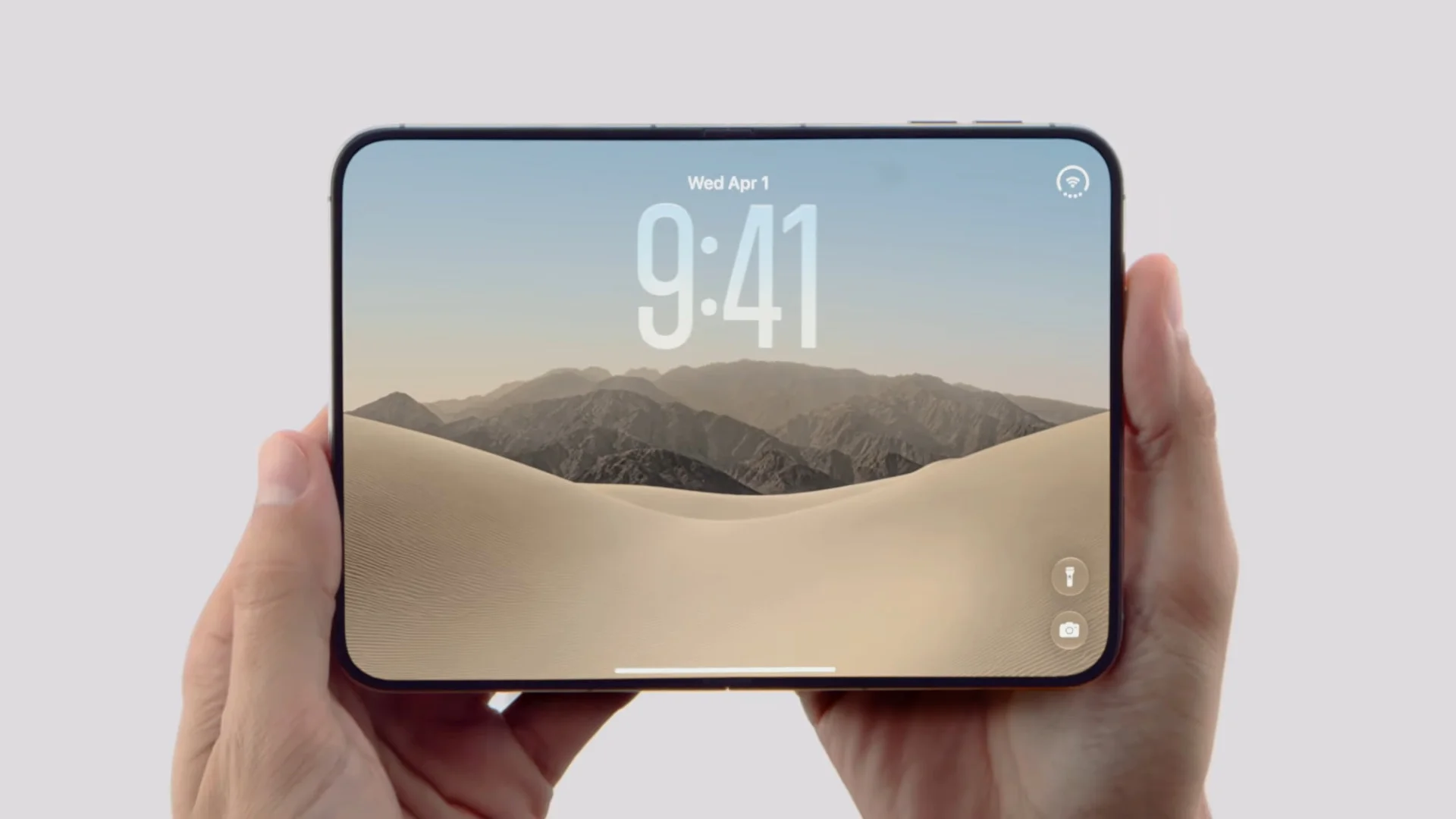
To avoid the common pitfalls of foldable phones, Apple has crafted the iPhone Duo with a 7.6-inch inner display that echoes the proportions of the iPad series rather than the typical tall, narrow styles. This approach diverges from the common elongated designs seen in competitors, offering what the company believes is a more natural and comfortable form factor. When folded, the Duo takes on a passport-like shape, which not only enhances portability but potentially provides a more intuitive experience. Given that foldable designs can often feel cumbersome, this consideration of user ergonomics marks a thoughtful approach to innovation.
Moreover, the external dimensions of the iPhone Duo have likely been designed to facilitate one-handed use while still delivering more screen real estate than traditional smartphones. That's an increasingly relevant feature as more digital tasks, like gaming and multitasking, demand larger screens without sacrificing mobility.
User Interface Enhancements
Apple has enhanced iOS for the Duo, allowing users to view two home screens side by side, which facilitates multitasking by making it easy to check your inbox while responding to messages. This dual-screen functionality isn't just a gimmick; it reflects a growing trend in consumer preference for more streamlined experiences, especially as remote work and communication continue to escalate. You'll find this kind of interface enhances productivity significantly, appealing to users who want to juggle multiple applications at once.
By prioritizing user interface improvements, Apple is not just playing catch-up but potentially setting new standards for usability in foldable devices. Think about it: many current foldable phones grapple with software that feels less optimized for their unique form factors. Apple seems to be keenly aware of this pitfall and is likely determined to avoid it, showcasing how a tailored experience can set a product apart.
Premium Display and Performance
The device utilizes a nano-textured screen aimed at reducing crease visibility, delivering a premium tactile experience in line with Apple’s standards. This technical choice attempts to address one of consumers' main complaints about foldable screens — that annoying crease that becomes more pronounced over time. By focusing on delivering a more polished display, Apple aims to convince users that foldable technology has matured to the point where it can compete against traditional smartphones for everyday use.
Under the hood, the iPhone Duo houses the new A20 Pro chip, which Apple touts as the fastest smartphone CPU available. If early performance indicators hold true, this could provide users with impressive capabilities not just for general tasks but also for resource-intensive applications like gaming and video editing. This is particularly important for gamers, as the new chip amplifies graphics performance by about 40%, thus drawing in a demographic that has been largely overlooked by other smartphone manufacturers in the foldable space. The seamless experience that a high-performing chip can provide will likely sway many potential customers looking for serious gaming performance on the go.
Implications for the Smartphone Market
Apple's entry into the foldable market could fundamentally alter consumer perceptions and product development cycles. While previous foldable devices have often been seen as experimental, the iPhone Duo's imminent release signals that foldables are no longer just a niche market. Apple’s reputation for quality and user experience carries weight. If the Duo performs well, it could validate the foldable form factor and entice other manufacturers to invest more resources into similar technologies.
This is more significant than it looks. A positive response could pave the way for a wider acceptance of foldable technologies across different price segments of smartphones, offering consumers more choices and potentially spurring competitive innovation. Major players like Samsung and Google might feel compelled to rethink their strategies, pushing for enhancements that make their offerings more appealing in comparison.
What this means for you, especially if you're working in this space, is that the choices consumers make in the next few years could lead to transformative shifts in smartphone design. The conversation surrounding durability, usability, and performance is likely to reach new heights. And yet, while there's excitement, it will be crucial for Apple to prove that foldables can go beyond mere novelty.
As we anticipate the iPhone Duo's launch, the impacts on its competitors, market trends, and consumer behavior remain to be seen. This isn’t just an impressive tech milestone; it could signal broader changes in the way we engage with smartphone technology.



Discussion
Sign in to join the discussion.