Best Electric Cars · EVCar Data Desk
Volvo EX90 vs BMW M5: EPA Range and Recall Facts for 2027 Models
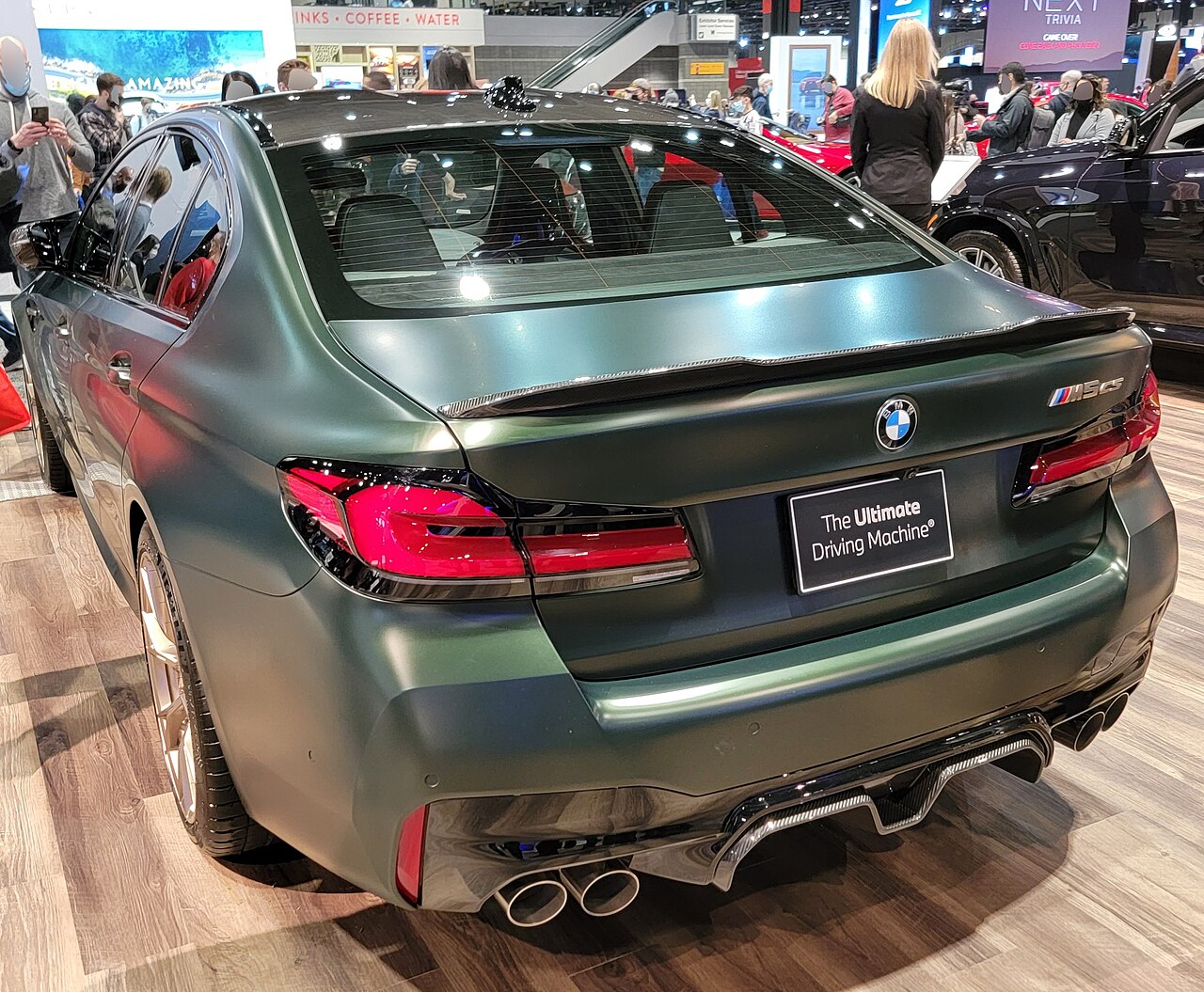
Between the 2027 Volvo EX90 Twin Motor Performance SUV and the 2027 BMW M5 sedan, the Volvo EX90 delivers a superior EPA estimated electric range and significantly higher MPGe ratings. Both vehicles have a clean record with zero NHTSA recalls as of August 2026. However, charging times and vehicle types differ considerably, offering distinct value propositions depending on buyer priorities.
Key Findings
- The Volvo EX90 Twin Motor Performance (21-in wheels) SUV has an EPA range of 310 miles, exceeding the BMW M5 sedan's 280 miles.
- The EX90 achieves a combined MPGe of 89 MPGe compared to just 14 MPGe for the M5, reflecting far better efficiency.
- Charging with a 240V outlet takes an average of 11.00 hours for the EX90, much longer than the 2.00 hours needed for the M5.
- City and highway MPGe figures highlight the EX90's greater efficiency: 94 MPGe city and 83 MPGe highway, compared to the M5's 12 MPGe city and 19 MPGe highway.
- Neither vehicle had any NHTSA recalls as of August 2026.
EPA Range Comparison
The 2027 Volvo EX90 offers an EPA-estimated electric driving range of 310 miles, besting the BMW M5 sedan's 280 miles. While the margin is modest, it puts the EX90 at an advantage for buyers prioritizing maximum driving distance without frequent recharging. The EX90’s range is notable given its 21-inch wheels for the performance variant, indicating strong battery capacity and efficiency for a standard SUV.
Efficiency Metrics: Combined, City, and Highway MPGe
Efficiency differences are stark between the two. The Volvo EX90 achieves a combined MPGe of 89, drastically superior to the BMW M5's 14. This reflects a more efficient powertrain and vehicle design focused on electric vehicle performance and economy.
Breaking it down further, city MPGe for the EX90 is 94 versus the M5’s 12, and highway MPGe is 83 compared to 19 for the M5. These figures indicate the EX90's advantage both in urban stop-and-go driving and steady highway cruising.
Charging Time: Trade-offs Between Range and Charge Speed
Charging times highlight a significant trade-off. The Volvo EX90 takes approximately 11.00 hours to charge on a 240V Level 2 charger, while the BMW M5 requires just 2.00 hours. This difference suggests the M5's smaller battery or more efficient charging system favors quicker turnaround, useful for drivers needing rapid recharge. Conversely, the EX90's longer charge time accompanies a larger battery pack that supports its extended range.
Vehicle Type and Use Case Suitability
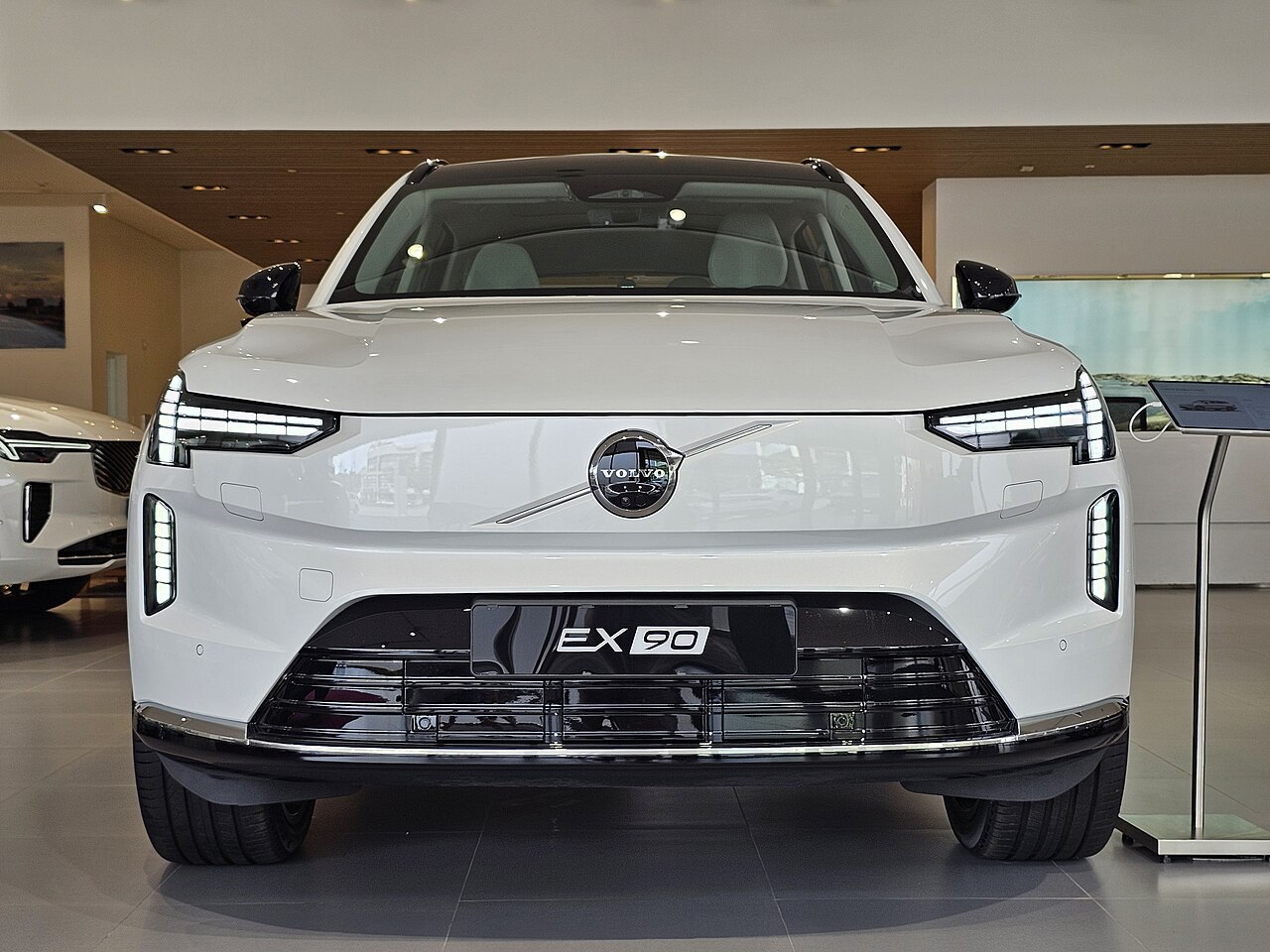
The Volvo EX90 is a standard sport utility vehicle with all-wheel drive and large wheels suited for those seeking a spacious, efficient electric SUV with long-range capability. Its efficiency metrics and range favor drivers who prioritize long-distance electric travel or family-friendly SUV space.
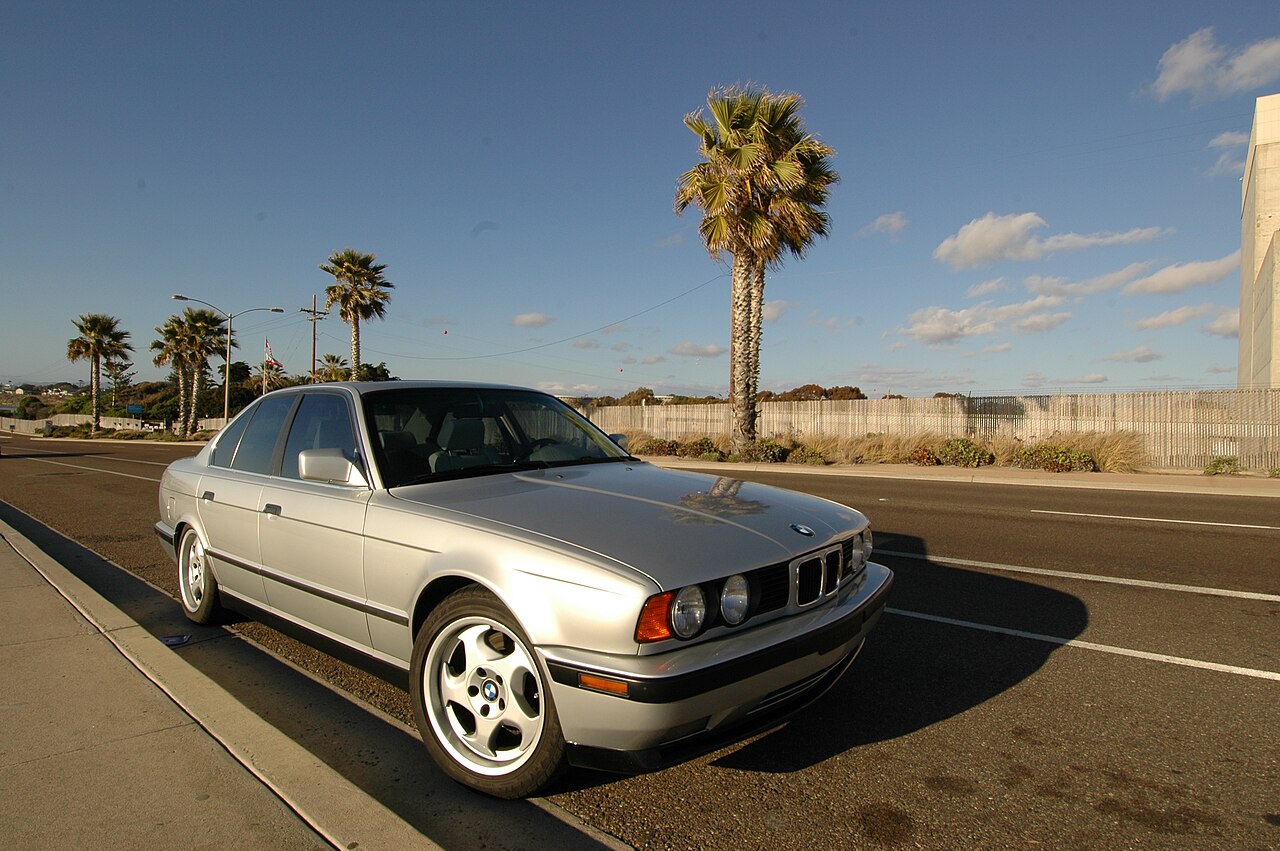
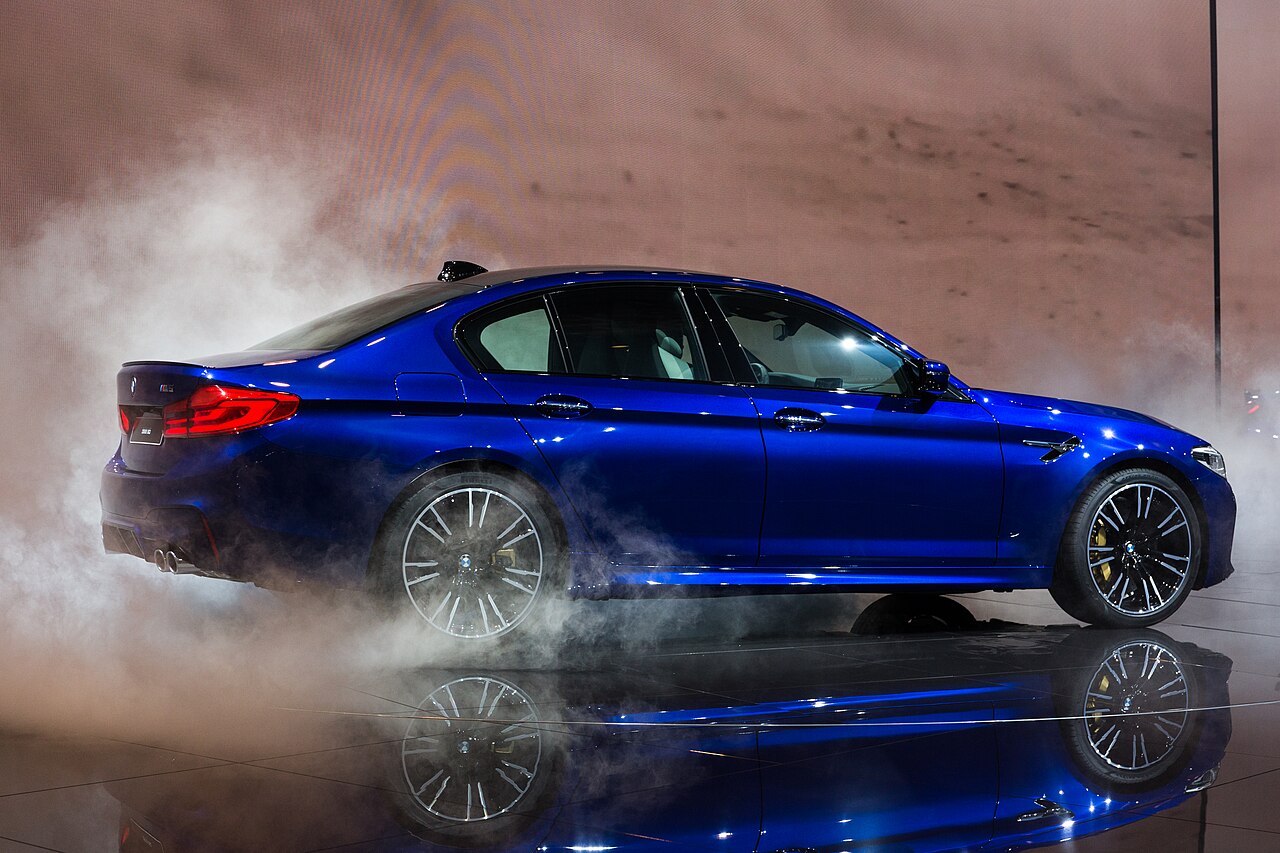
The BMW M5, by contrast, is a midsize performance sedan with much lower efficiency metrics. Its strengths lie in rapid charging and a prestigious sporty driving experience, appealing to buyers more focused on performance and quick recharge rather than maximum electric range or efficiency.
Recall History and Reliability Insights
As of the latest data in August 2026, none of the two vehicles have recorded any recalls under NHTSA guidance. This parity suggests both models have passed initial safety and quality checks without major widespread issues reported to regulators, reducing immediate concern over safety recalls for prospective buyers.
| Specification | 2027 Volvo EX90 Twin Motor Performance | 2027 BMW M5 Sedan |
|---|---|---|
| EPA Estimated Electric Range | 310 miles | 280 miles |
| Combined MPGe | 89 MPGe | 14 MPGe |
| City MPGe | 94 MPGe | 12 MPGe |
| Highway MPGe | 83 MPGe | 19 MPGe |
| 240V Level 2 Charge Time | 11.00 hours | 2.00 hours |
| NHTSA Recalls | 0 recalls | 0 recalls |
Frequently Asked Questions
Which vehicle offers a longer EPA electric driving range?
The Volvo EX90 provides a longer EPA estimated range of 310 miles compared to the BMW M5’s 280 miles.
How do their efficiencies compare?
The Volvo EX90 is much more efficient, with a combined MPGe of 89, versus the BMW M5’s 14. This efficiency advantage extends to city and highway driving.
What about charging times for these models?
The BMW M5 charges significantly faster on a 240V Level 2 charger, taking about 2.00 hours, while the Volvo EX90 requires approximately 11.00 hours.
Have there been any recalls for these 2027 models?
As of August 2026, neither the Volvo EX90 nor the BMW M5 has any reported recalls from NHTSA.
Which type of buyer would benefit most from each vehicle?
The Volvo EX90 suits buyers seeking a spacious, efficient electric SUV with a long range. The BMW M5 caters to those prioritizing sporty performance and faster charging over driving efficiency and range.
Conclusion
When choosing between the 2027 Volvo EX90 Twin Motor Performance and the BMW M5 sedan, buyers face clear trade-offs. The Volvo EX90 notably leads in electrical range and efficiency, making it ideal for those focusing on prolonged electric driving and energy savings. In contrast, the M5 offers faster charging times and a performance-oriented driving experience but at the cost of much lower efficiency and range. Both vehicles presently have clean NHTSA recall records, enhancing their safety appeal. Ultimately, your ideal choice will depend on whether your priority is extended EV range and economy versus quicker recharging and sporty sedan dynamics.
Data Sources
- EPA Fuel Economy Data: EPA Vehicles Dataset (retrieved August 2026)
- NHTSA Recall Data: NHTSA API (retrieved August 2026)