Phantom Blade Zero ties Soul’s fate to four endings, a stolen Radiant Heart and unresolved questions around Zuo Shang, Mu Xiaokui and the Discordance.
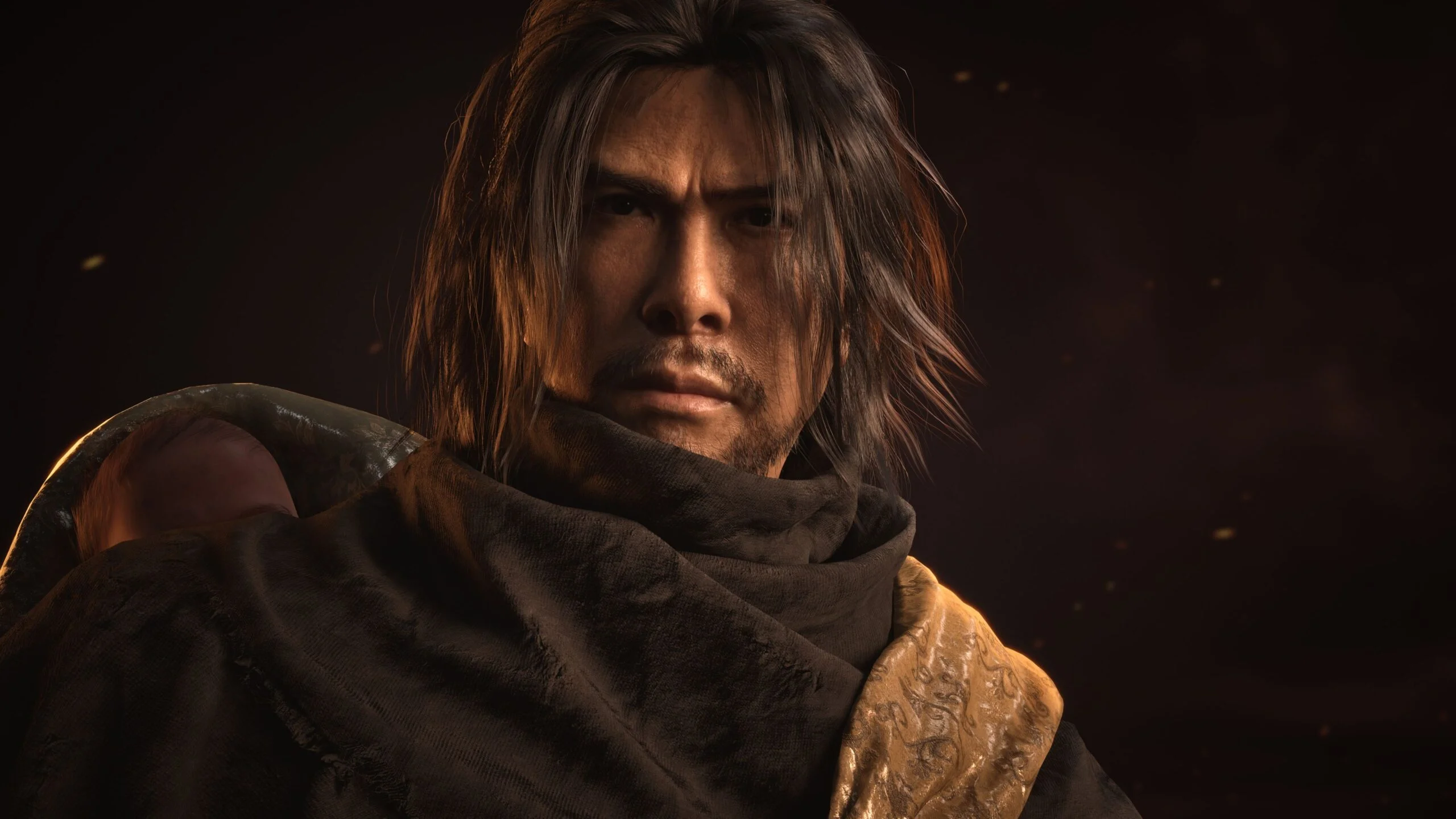
Phantom Blade Zero ends with its central crisis contained but its power struggles unresolved. Soul can stop Meng Hua from unleashing destruction, yet his former blood brother Zuo Shang defeats him, his birth father vanishes into a snowy abyss, and the Radiant Heart remains in play. The result is an ending shaped as much by optional missions as by the main story—and one that leaves several plausible routes open for a continuation.
A betrayal with a hidden trigger
Soul’s pursuit begins with an apparent act of murder: he killed Mu Tianmiao, the Shadow Sovereign of the Order, and is now hunted by the organization. The death wasn’t intentional. Since adolescence, Soul’s Sha-Chi has sometimes driven him into a violent state in which he loses control. When Mu travelled to a remote training site, he brought objects that could trigger that condition in Soul.
Zuo Shang knew what those objects could do. He sent Soul to the same place under the false pretext that it might reveal information about Soul’s parents. The two later fought, leaving both fatally wounded. That history reframes Zuo Shang’s ascent to Shadow Sovereign: his authority rests on a betrayal carefully arranged around Soul’s vulnerability.
The scheme also links the Order to a larger threat. Zuo Shang approached Leng Tu, the Herald of the Veil, to obtain the Radiant Heart, a replacement that could keep Soul alive despite his tainted heart and 66-day prognosis. Leng Tu had a different use in mind. Skilled in Soul Displacement—the removal of a soul and its placement inside a puppet—he wanted to bring Meng Hua into the physical world.
Meng Hua, known as the Lady of the Veil, has immense destructive power within the Blight, but is confined to the Discordance, a parallel to the Wulin. Leng Tu’s experiments in the Village of Lu, where residents have been turned into puppets, were part of an effort to create a vessel for her. The Radiant Heart sits at the intersection of these plans: a possible lifeline for Soul and a tool in a plot to change where Meng Hua can exist.
Optional missions decide whether catastrophe is stopped
The confrontation with Meng Hua has different outcomes depending on what Soul has done before reaching it. Ignore the relevant side missions and he fails to contain her, leaving her free to unleash her power. Complete that additional content and Soul can succeed in averting the immediate calamity. The distinction makes the side quests carry direct narrative weight: the crisis is not resolved by the main path alone.
Even in the successful outcome, victory doesn’t settle the conflict. Zuo Shang arrives and tries to finish Meng Hua, then fights Soul. Soul loses, and Zuo Shang spares him out of pity. The choice leaves the two men’s relationship hanging between kinship and hostility, while Zuo Shang’s fate remains uncertain enough to support another confrontation.
The final major encounter takes place at the Long Pillars, where Soul faces Mo Yuan, his birth father and leader of the Bastion of Mo. Soul was separated from his family, whose members possess a distinctive bloodline power. The revelation that Mu Tianmiao was responsible complicates Soul’s understanding of the mentor he once trusted. By communing with Mo Yuan through the Pillars, Soul masters his bloodline’s power and gains the advantage in their fight.
Mo Yuan jumps into the snowy abyss rather than let Soul deliver the final blow. Soul then retrieves the Radiant Heart, and the story cuts to black. He has gained a new power and the object connected to his survival, but neither the heart’s longer-term role nor Mo Yuan’s fate is resolved.
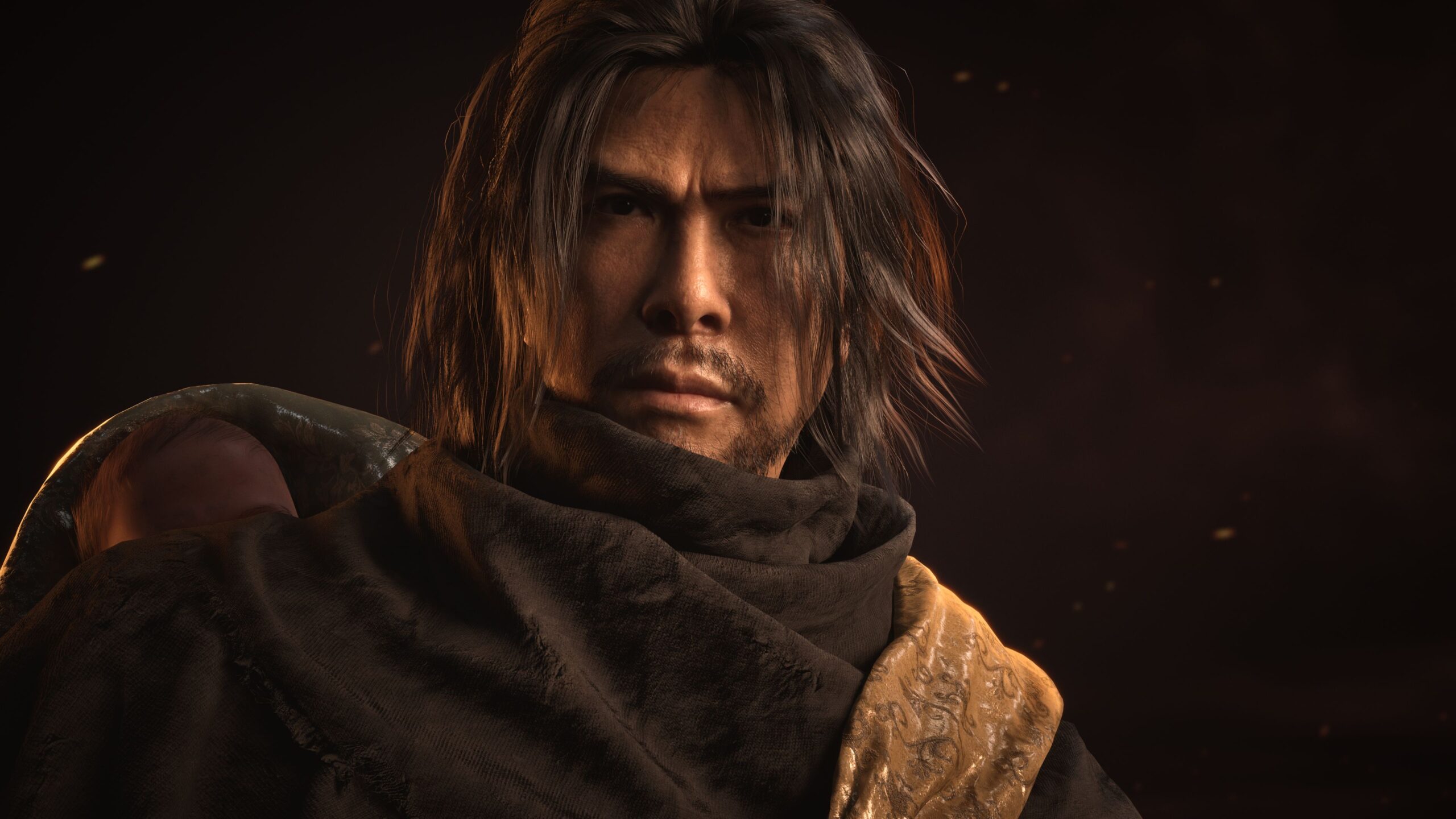
Four endings, four different shades of uncertainty
Phantom Blade Zero has four endings, with outcomes tied to specific side content. Among the tasks involved are confronting masked Acolytes, restoring the Illusory Pipa and collecting Crystal Puppet Eyes. These quests shape whether Soul can overcome Meng Hua, so the ending a player sees reflects choices and discoveries made along the way.
The fourth ending is reserved for 66 Days Mode. If Soul dies on the final available day, the scene shifts to Zuo Shang visiting his grave at the place where they trained as boys. Zuo Shang tells Soul he is free and that his life was not wasted. He calls him his greatest rival and his brother, asks him to rest, and says he should witness the “new Wulin” Zuo Shang intends to create.
That farewell gives their rivalry a tender note without explaining what Zuo Shang will do next. It also sets up the possibility of a changed Wulin under his influence, even as the other endings leave Soul alive to challenge the forces that shaped him. Across the outcomes, the story offers closure on immediate events while withholding a settled account of the world’s future.
Mu Xiaokui and the Order remain in play
Mu Xiaokui, Mu Tianmiao’s daughter, is one of the most personal unresolved threads. She grew close to Soul and Zuo Shang after the Order took them in, then became a boss encounter at the end of the Village of Lu sequence. The fight includes her elite guards, Iron Fiend and Jade Dancer. Despite the battle, she and Soul part on amicable terms.
Xiaokui knows Soul admits to killing her father, but suspects the circumstances were more complicated than a straightforward murder. If Soul survives, the story leaves room for him to explain what happened and confront the guilt attached to an act he committed while out of control. That conversation could also determine whether the two can trust each other.
With Zuo Shang’s position uncertain, Xiaokui could take control of the Order. The organization’s response to Soul is also an open question: some masters might continue pursuing him over the Radiant Heart, while others could work with him after he has confronted Leng Tu, Meng Hua and Zuo Shang. Those are possibilities, not settled outcomes, but they give a continuation a direct route into the Order’s internal politics.
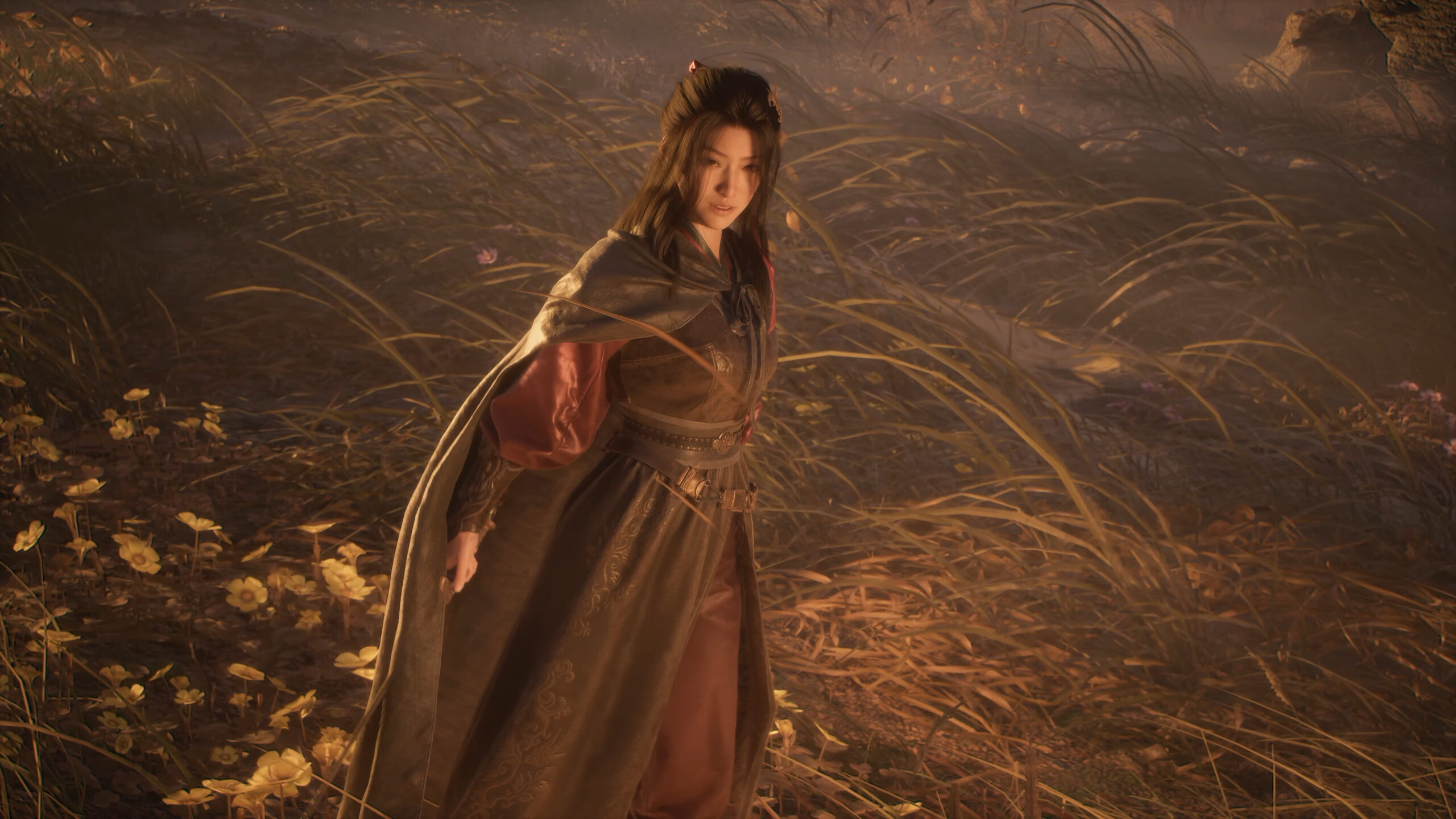
The Discordance offers the clearest next frontier
Zuo Shang’s apparent death is far from conclusive, and his history mirrors Soul’s in a revealing way: Mu Tianmiao also took him from a prominent family. A continuation could explain that past while asking whether Zuo Shang seeks redemption or resumes his pursuit of Soul. His status as Shadow Sovereign is uncertain, too, leaving the Order without an obvious answer about who leads it.
The Discordance may be the story’s most expansive unanswered mystery. How did Meng Hua end up there? Are other powerful beings confined within it? Time moves differently in that realm, which could give an inhabitant a meaningful advantage. Soul’s bloodline awakening and the Radiant Heart might also matter there, though the story does not establish exactly how.
The Flesh Sculptor’s identity and reasons for saving Soul remain unknown as well. Those questions connect the personal plot to the wider mythology: Soul’s survival, his bloodline, the Radiant Heart and the Discordance may all lead back to forces the story has only begun to reveal.
S-Game has several credible directions for a sequel without needing to undo the first game’s ending. Soul’s relationship with Xiaokui, the Order’s future, Zuo Shang’s return and the secrets of the Discordance all follow from events already in motion. The immediate threat may be contained in some endings, but Soul’s place in a changing Wulin is still unsettled.

Discussion
Sign in to join the discussion.